In response to health china 2030CopeCall to action, second people's hospital, shenzhen cityInterventionFrom today onwards, ko has launched the "involved in small knowledge short" series! I'll tell you about the earth's interventionMedical knowledgeIf there's anything you want to ask, anything you want to suggest, you're welcome to talk
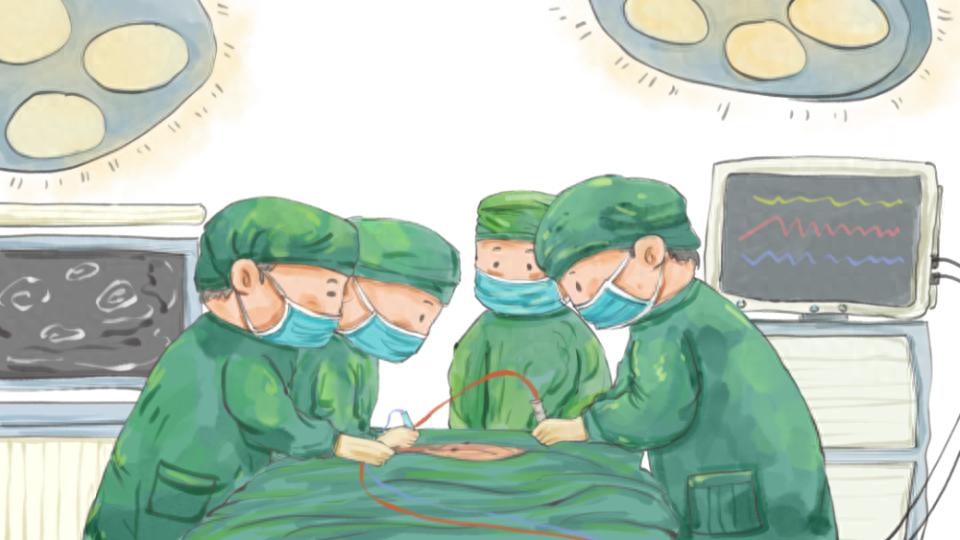
First, understand: what is involved in treatment
Speaking of intervention therapy, many people may find it "a little strange," but the "involvement radiology" behind it is not the "novice" of the medical community -- which has been sank for more than half a century, and is now one of the three major disciplines in the field of medicine, alongside what we hear about "surgery," "medicine."
The central feature of intervention is that it integrates “porning problems” with “doing problems”: in short, under the guidance of dsa (commonly known as “the angiography machine”), ct, mri, ultrasound, these “medical eyes”, doctors need only a small puncture to “send” the therapeutic device to the disease, so that it can be diagnosed or treated directly — without “shaping a knife” like traditional surgery。
How do you get involved in treatment
Interventions are particularly widespread and disaggregated. It's a lot better if we split it by "how to get to the stove."
Angiogenesis: equivalent to an "vascular route" - from an vascular piercing to an instrument that follows the vascular "run" to a medical stove
Non-vascular intervention: is equivalent to “direct dermal penetration” - direct dermal penetration from the skin to the cookstove without a vein。
Either way, it's only a small piercing point, not only small trauma, quick recovery, but also a lot less burden on the body
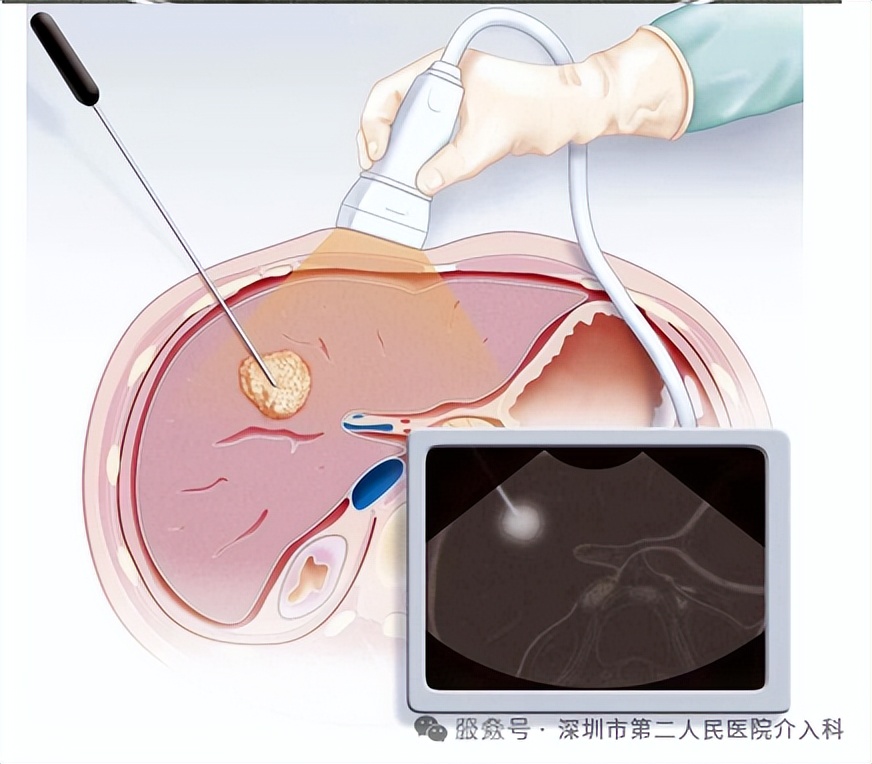
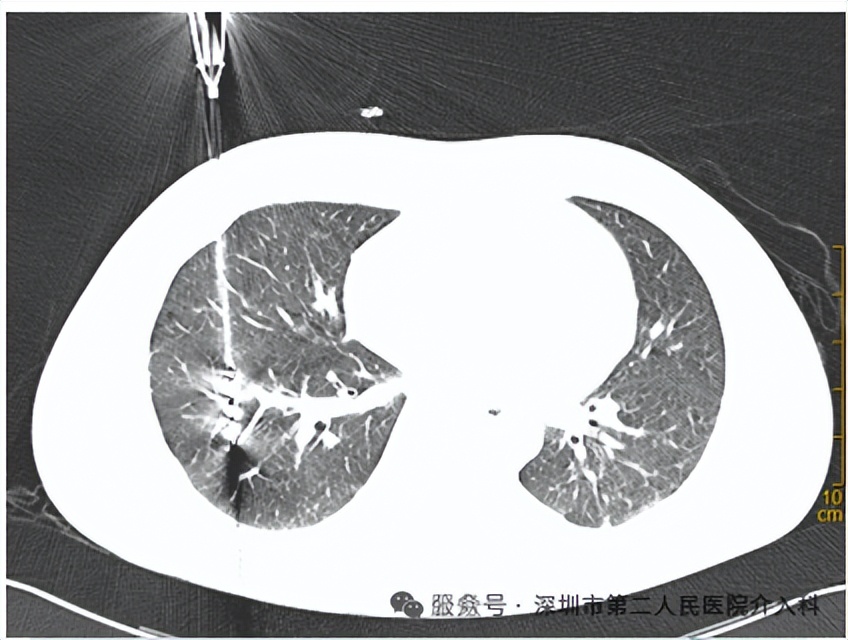
*as shown in the figure above, hepato-pulmonary neoplasms are treated with non-vascular intervention under ultrasound, ct-led, i. E., through skin puncture to the liver, lung tumour area, with a single needle of microwave thermal digestion, and with a cure for early tumours。
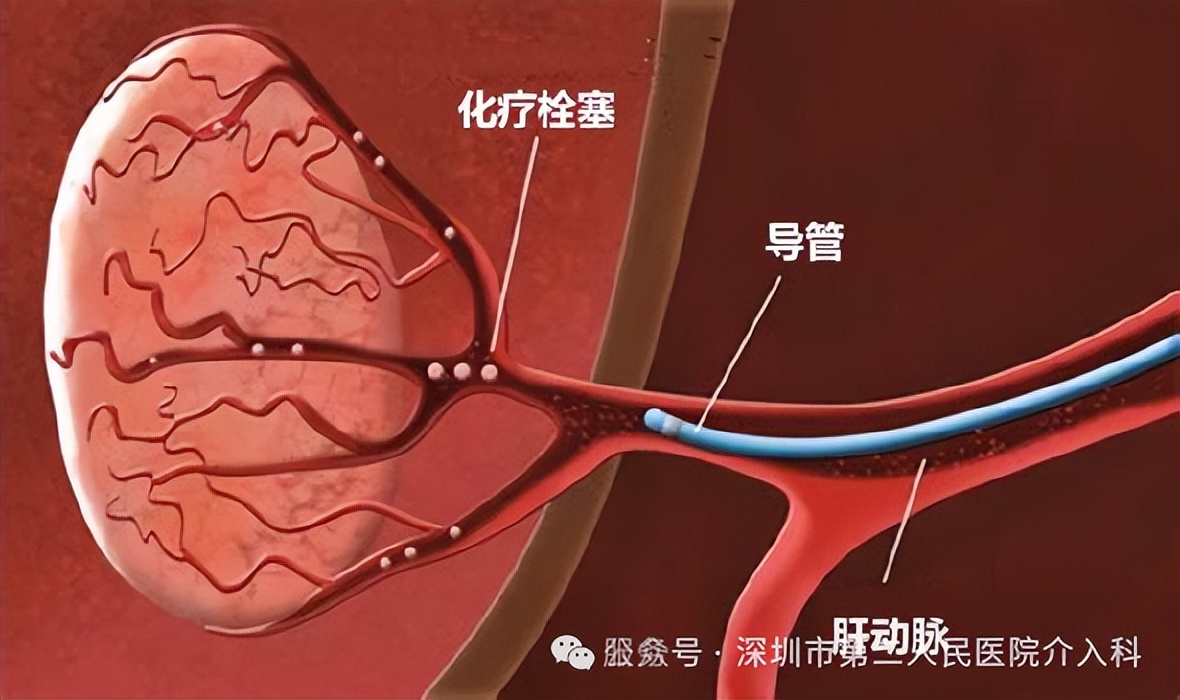
*according to the above chart, the method of vascular intervention of the catheters used in the treatment, guided by the dsa, is inserted into the artery of the hepatovascular tumours and is part of the primary treatment for liver cancer, which can also be used to extend the life of the therapeutic catheters。
“across humans” in intervention: precision, micro-innovation, super-efficient
Why do more diseases get involved? The three advantages are too crucial:
Precision: attack stoves like navigational missiles
It's full of video equipment, "stalking," and it's very accurate to "stamp" to the disease, and it doesn't work out. For example, in the case of tumour chemotherapy, the drug can be "blowing the yellow dragons" directly to the stove, unlike the traditional drug, "round the whole body" -- with higher concentrations, better efficacy, and reduced side effects on other organs, which are equivalent to "precision, no harm to innocent people." now, a number of diseases, intervention has become the preferred treatment。
2. Micro-intensity: the old man can bear it without a big knife
Interventions are called “surgery without a knife”: either there is no wound, or a few millimetres of small mouths (not much larger than the wounds of a normal injection); most operations require only local anesthesia (e. G., anaesthesia at a puncture point, or a small injection), and the risk of anaesthesia is much lower than that of an all-embracing, and the elderly in the home, and the sick in a weak body, too。
3. Efficiency: fast recovery and high success rates
The treatment is designed to control the range of drugs with precision, with few injuries to normal tissues, and to recover naturally quickly -- many people can get out of bed the next day after surgery and stay in hospital for a short period of time; and the success rate is particularly high, with 90 per cent being counted, and the death rate almost zero. Even for patients who are old and seriously ill and cannot perform surgery, intervention can be a viable treatment option。
Iv. Which diseases can get involved? What can be done
In shenzhen, the second people's hospital's intervention unit covered two main systems: tumour intervention and exterior vascular intervention。
See first: what can be cured
(i) oncological diseases: primary liver cancer, hepatovascular tumors, uterine musculoma, lung cancer, pelvic tumours, thyroid malignant neoplasms and transmissible tumours。
(2) angiological diseases: narrow arterial, closed, embolism, aneurysm, angiogenesis, etc. In all sectors。
(3) hemorrhagic pathologies: acute haemorrhage, haemorrhaging in digestive tracts, haemorrhage in obstetrics and gynaecology, urology, etc。
(4) non-vascular pathologies: good (negative) narrow oesophagus, oesophagus fistula, constrictive (negative) choreography (obstructive yellow blubber), liver, kidney, pancreatic (suppressive) puncture flow, etc。
Read again: what can be done
(i) diagnosis and perforation: utero-vulse tube imaging, full cerebrovascular imaging, tumours of the aneurysm, liver and kidney, etc。
(2) angiogenesis and non-vascular intervention treatment for tumour pathologies: tumour-based stimulatory hysteres/injection; microwave digestion of skin piercing tumours; scissor-freezing; radioactive particle implantation, etc。
(3) interventions in the treatment of vascular diseases: angioplasty of the scaffolding of a narrow vein, abdominal embolism, an implantation of the lower cavity vein, sclerosis of vascular malformations, embolism, haemorrhagic diarrhea, etc。
(4) non-vascular intervention treatment at shallow knots: microwave digestion at mammary/hysteria。
(5) oncological aided treatment: implantation in iv/vp box。
(6) separatism of the cavity cavity (tips) through the inside of the cirrhythmic liver: cavity of the cavity with high pressure - cavity of the oesophagus (with acute haemorrhage), stubborn abdominal water caused by the cavity of the cavity, repeated haemorrhage of the cavity of the cavity and treatment of invalids by the internal medicine, budd-chari syndrome, etc。
(7) therapeutic interventional micro-creational treatment for benign prostate prostate growth。
(8) micro-initiative treatment for obesity。
(9) other: spleen surgeries, aneurysms prior to physical tumor surgery, pre-articular aneurysm, etc。
Contribution: intervention section, hung jump
Launch: department of health education