


You're worried about the parts being switched? This is what happened to mr. Sian, whose computer was not fixed, but the valuable cpu eventually turned into a pile of scrap metal, which almost cost 2,000 dollars for nothing。
In the early part of june, mr. Sun's desktop went on a sudden strike, unable to examine the reasons, and the main board was sent to hua zhou for official repairs. There's no way. He's got a house on the used platformComputer repairThe little store, let's try it. The maintenance staff came to the shop with only one look and no tools to remove the main board, the cpu, the graphic card and the hard drive and took back the “deep test” and promised the next day. As a result, three days later, the response was many times, stating that both the main board and the cpu were broken, that the cpu had burned, and that it had charged $100 for the door and returned the pile of so-called “bad things”。
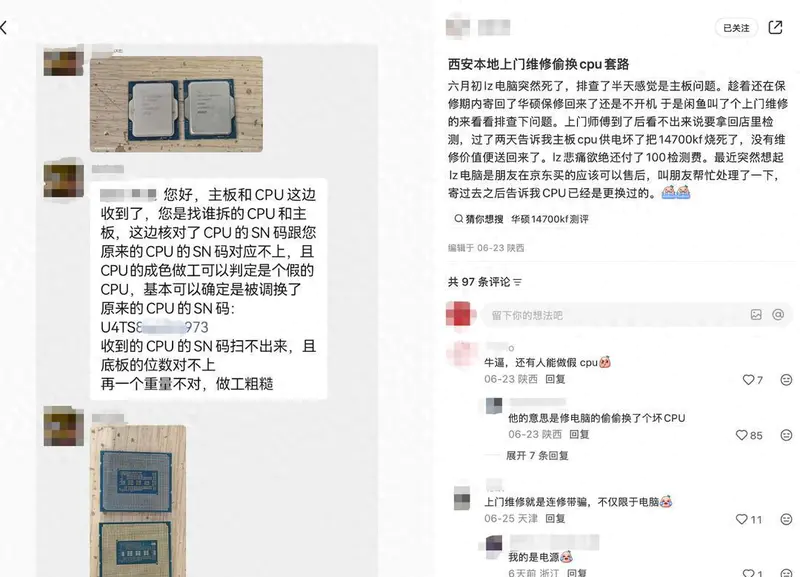
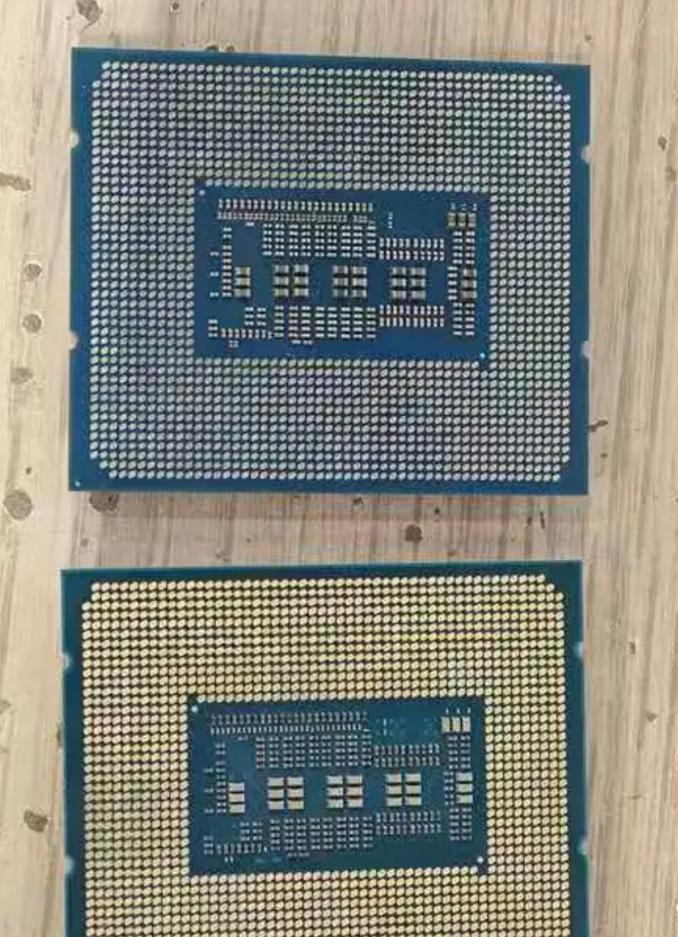
Mr. Sun's family was in labor with his wife, and there was no time to think about it. It was not until 20 june that a friend was able to contact kyodong and prepare to sell the main plate and the high-fit i7-1470kf processor to see if they were in danger. It was unexpected that the feedback from kyoto was not authentic cpu at all, but low-cost fakes. The contrast photographs at the time showed that the fake cpu and the original cpu, from the number of needles and feet, the colours to the details of the shell, were not matched and the naked eye was cold。
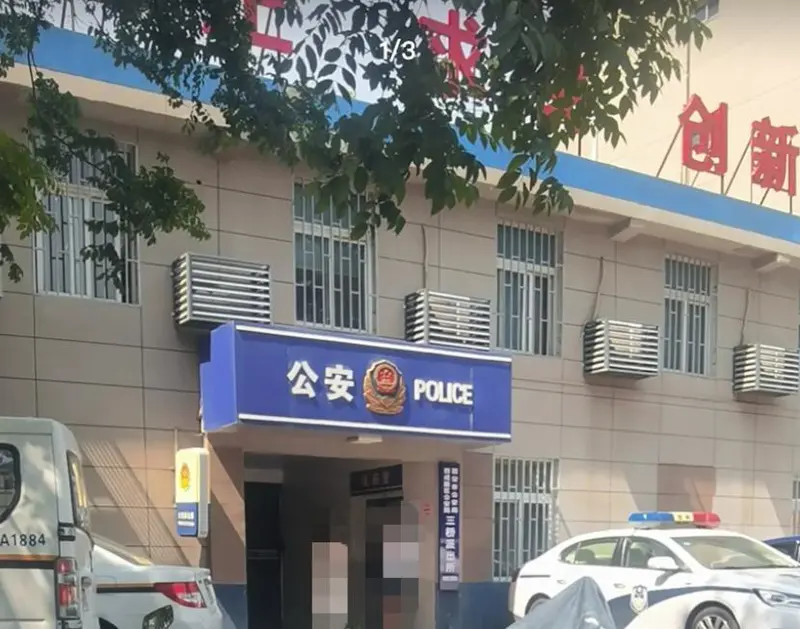
When the bag was dropped, mr. Sun contacted the maintenance staff at the door at a high speed. The other person, who had no idea, said that he was only a worker and had left and pushed the shopkeeper's tweet. Mr. Sun continued to pursue his claims, claiming the new cpu, and the other party was willing to pay for the bulk goods, even $100 for the door, and turned his back on mr. Sun. That's what happened. Following the intervention of the police station of the three bridges, the maintenance workers and shop owners were brought to the police station and their cell phones were seized, and the police quickly identified the route. Originally, the maintenance workers sold mr. Sun's high-end authentic cpu to the computer company the following day at a price of 1,700 dollars, returning to the use of a 100-fold fake top bag, and the proceeds were divided between them。
Under the auspices of the civilian police, the shopkeeper was required to pay full compensation. Finally, the other party paid the market price for the new cpu (approximately us$ 2,500) and the fee for the service at the door was returned at a “one to three” rate totalling us$ 3,500, which mr. Sun agreed。
In reality, the digital maintenance market has experienced similar experiences. With internet users sharing, mobile phones were sent to small brand repair points, and after the original master plate had been returned, there was a sudden increase in internal burn marks, and the repair manager insisted on “unforeseen short circuits”. It was only after the official sale that it was discovered that the original material had been removed from the retrofit. In hangzhou, a similar incident occurred in the second half of 2023, when a young man sent a high-priced video card, resulting in a genuine air conditioner package that was used by businesses for professional testing and, finally, the police intervened to recover damages。
However, not all small repair shops carry ghosts. Some of the old-name maintenance services have been firmly established in terms of service specifications and reputation, customers have gone to the shop to follow up, not to unpack, not to lose sight, maintenance settlement and payment processes are transparent, and customers have been proactively reminded to check the spare parts serial numbers. Instead, it has won many reputations, and a number of electric players and professional users remain willing to engage with them for a long time. Thus, the key lies in industry self-regulation and transparency, not “as long as small stores are bad”。
The reason for this digital diversion is that many people are not familiar with the details of the parts, that it is difficult to identify them in the first place, and that, together with the lack of transparency at the maintenance site, you can only believe that there are no pits. In particular, high unit-priced fittings such as cpus, graphic cards are lost thousands of dollars to consumers if they change them once。
A few clear lessons can be drawn from what computer repair does. High-cost electronic products are best repaired by selecting a brand official service, and formal internet links improve the registration of spare parts and information validation processes. The serial number of the core hardware, the appearance of the photo record must not be scarce, whether it is a repair or a door-to-door service. We've got problems with receipts, contact lists, communication and chat recordsDefenceThere's evidence。
A more practical approach would be to get as far as possible to shop maintenance, to detect any problems in person and communicate in a timely manner, and to reduce the probability of “parts being taken”. If it is necessary for the maintenance worker to bring the equipment back, it may also be allowed to leave the parts with details, indicating the type and sequence information of each component, and to retain photographic evidence。
In cases of forced delay, refusal to communicate in a positive manner, incompetence in the form of compensation, and the blacking out of the address book, it is important that this situation be avoided. It would be preferable to report directly to the police and, if necessary, simultaneously to the market regulator。
In fact, in the information age, consumer advocacy tools are becoming more and more accessible, and grey maintenance practices that seek to exploit the void are sooner or later to be squeezed out of the industry by regulation, users and markets. At the end of the day, while trust is delivered, it is always true to leave a few extra points of caution, to fix computers and to protect their “core assets”。









