


Spring cornThe fitSeed timeIt varies from region to region, climatic conditions, soil conditions and planting techniques. In general, the planting time of spring maize is concentrated in the spring, specifically between march and may. However, the exact date of seeding needs to be determined according to local weather, soil temperature and degeneration。
In the northern region, due to slower recovery of spring temperatures and late thawing of the soil, the planting of spring maize took place relatively late, usually between mid-april and early may. At this time, temperatures are gradually rising and soil temperatures are appropriate for the growth and growth of maize seeds. At the same time, care should be taken to avoid seeding in the context of over-wetting or drying of the soil so as not to affect the production and growth of seeds。
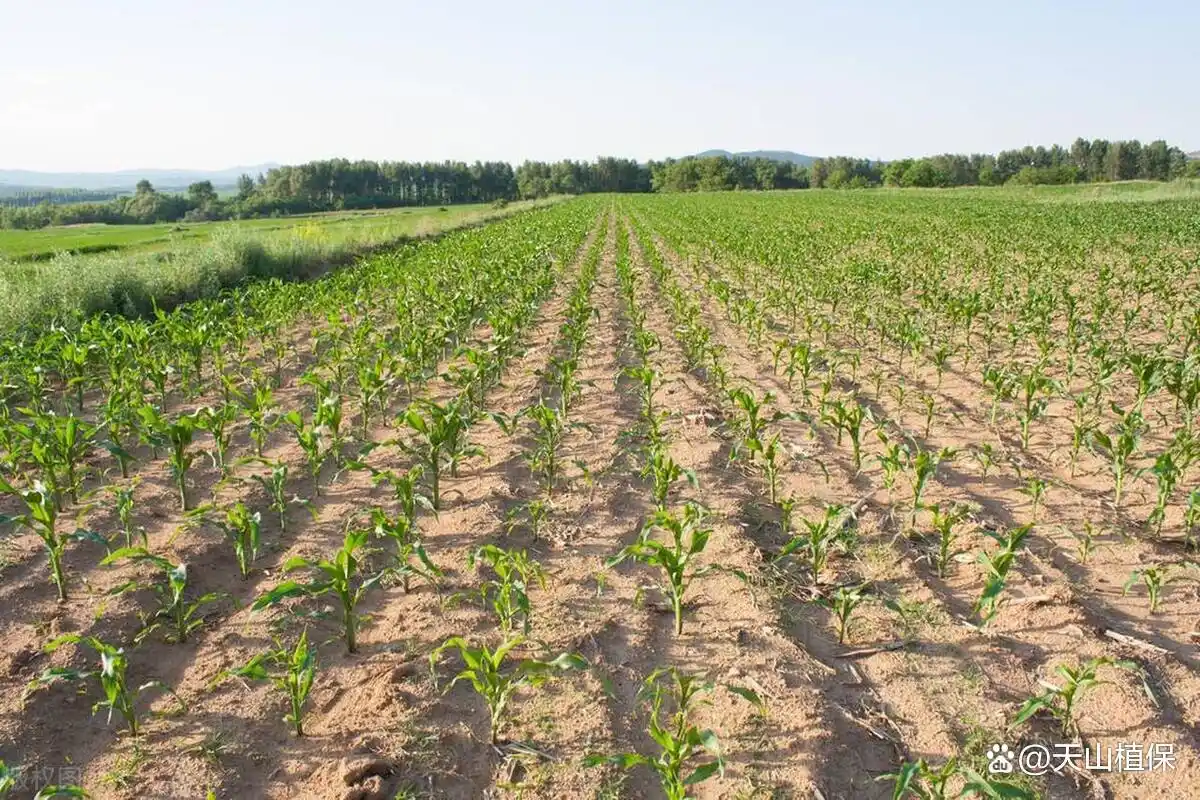
In the south, when spring temperatures are rising faster and the soil is unfrozen earlier, the planting of spring maize takes place relatively early, usually between mid-march and early april. At this time, rain is abundant and the soil is warmer, facilitating the growth and growth of maize seeds. Care must be taken, however, to avoid sowing in the midst of even rain or soil moisture, so as not to cause the seed to rot or germinate。
In addition to regional differences, soil conditions are important factors in determining the timing of spring maize planting. Before seeding, the soil should be sufficiently cultivated and fertilized to increase soil fertility and water conservation. At the same time, attention should be paid to changes in soil moisture and temperature, choosing appropriate sowing depths and soil thickness, and ensuring that seeds are in close contact with the soil and contribute to their growth and growth。
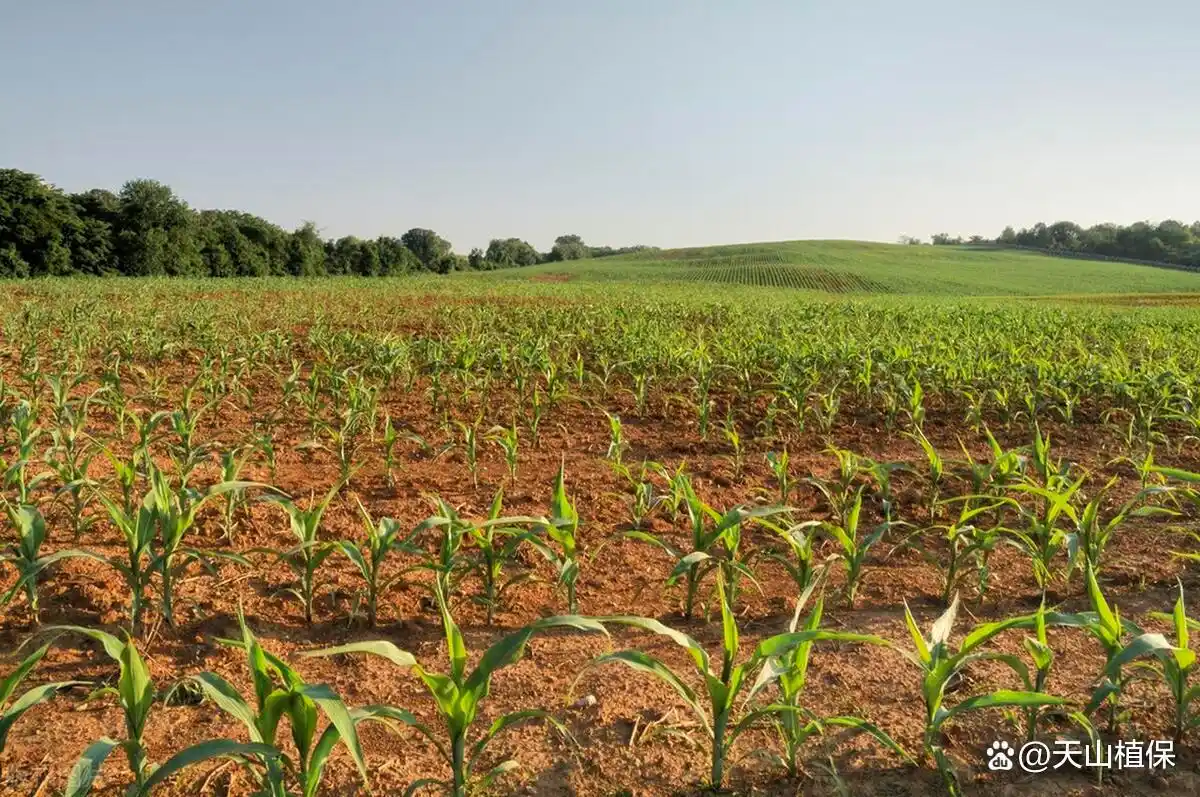
Moreover, planting techniques are an important factor in the timing of the planting of spring maize. Modern agricultural technologies, such as precision seeding, water-saving irrigation, pest control and so forth, can improve maize production and quality, while also allowing for local climate and climate changeSoil conditions:: flexiblely adjust seeding times to achieve better planting results。
In sum, the suitable planting time for spring maize needs to be considered in the light of a combination of local climatic, soil and planting techniques. In choosing the planting time, care should be taken to avoid adverse climatic and soil conditions and to ensure that seeds grow and germinate successfully in order to enjoy a good harvest. At the same time, growers should pay close attention to the planting guidelines and recommendations issued by the local agricultural sector in order to better schedule planting times and adopt scientific approachesPlantation managementMeasures。
In addition to planting time, the management of the cultivation of spring maize is crucial. After seeding, farmers need timely irrigation and fertilization to meet the moisture and nutrients required for maize growth. At the same time, care must be taken to combat infestation of pests and weeds and to ensure the healthy growth of maize。
In terms of irrigation, the growth and development of spring maize requires an appropriate amount of moisture, which is neither excessive nor insignificant. Excessive moisture causes the soil to get wet and affects the gas flow and absorption of the root system, while the scarcity causes the soil to dry and affects the normal growth of maize. Therefore, farmers should rationalize irrigation time and water levels in accordance with local climatic and soil conditions to ensure the water supply required for maize growth。
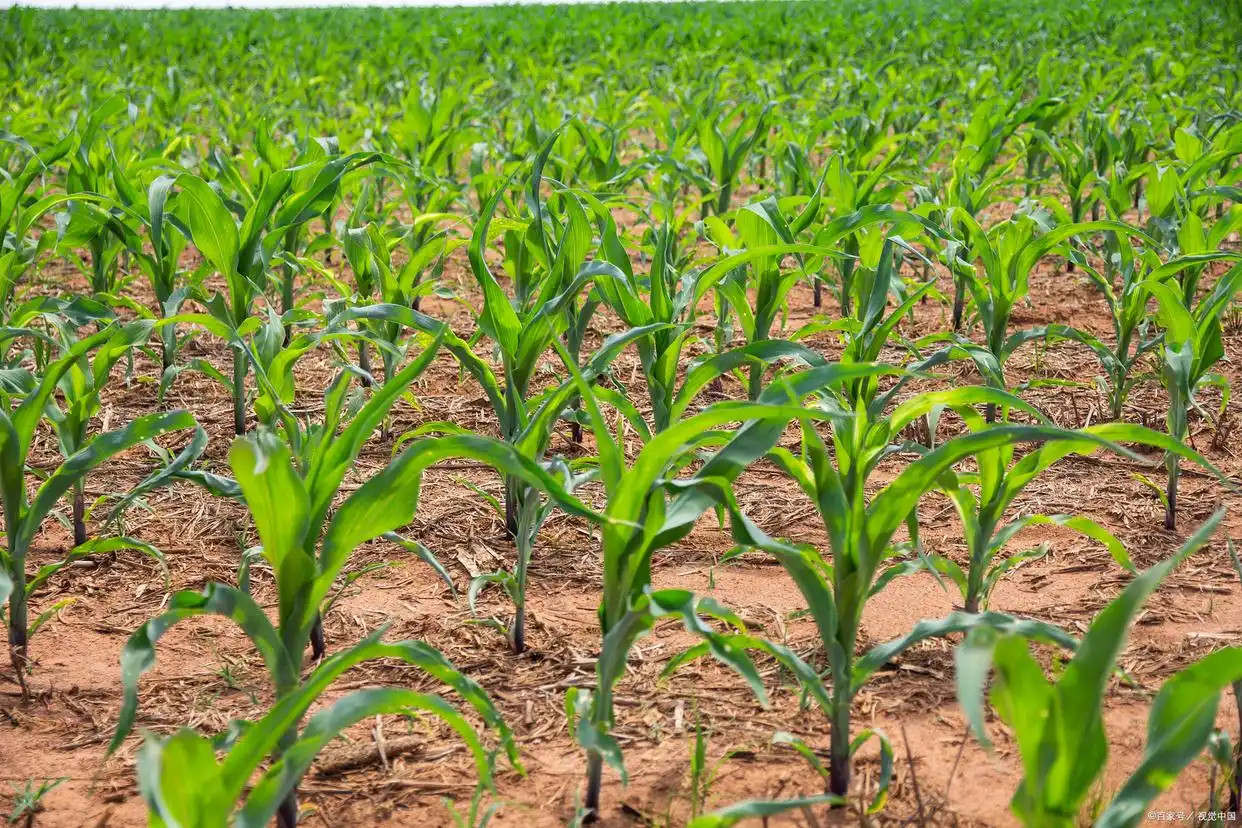
In the area of fertilization, spring maize requires sufficient nutrients to support its growth and development. Growers should reasonably select the type of fertilizer and the amount of fertilization required for soil fertility and maize growth. In general, the application of spring maize should be supported by the use of base-based fertilizers. Base fertilizer should be based mainly on organic fertilizers, supported by fertilizers, to increase soil fertility and improve soil structure. Fertilizer recovery should be carried out in appropriate quantities to meet the needs of different stages of maize growth, in accordance with the needs of maize growth and soil nutrients. # corn growing #
In the area of pest control, spring maize can be grown with various pests and pests. Growers should adopt scientific prevention and treatment measures, such as the selection of disease-resistant varieties, rational rotation, and improved field management, in order to reduce the occurrence and hazards of diseases and pests. At the same time, when pests and pests are detected, timely preventive measures, such as the use of biological and chemical pesticides, should be taken to prevent their spread and hazards。
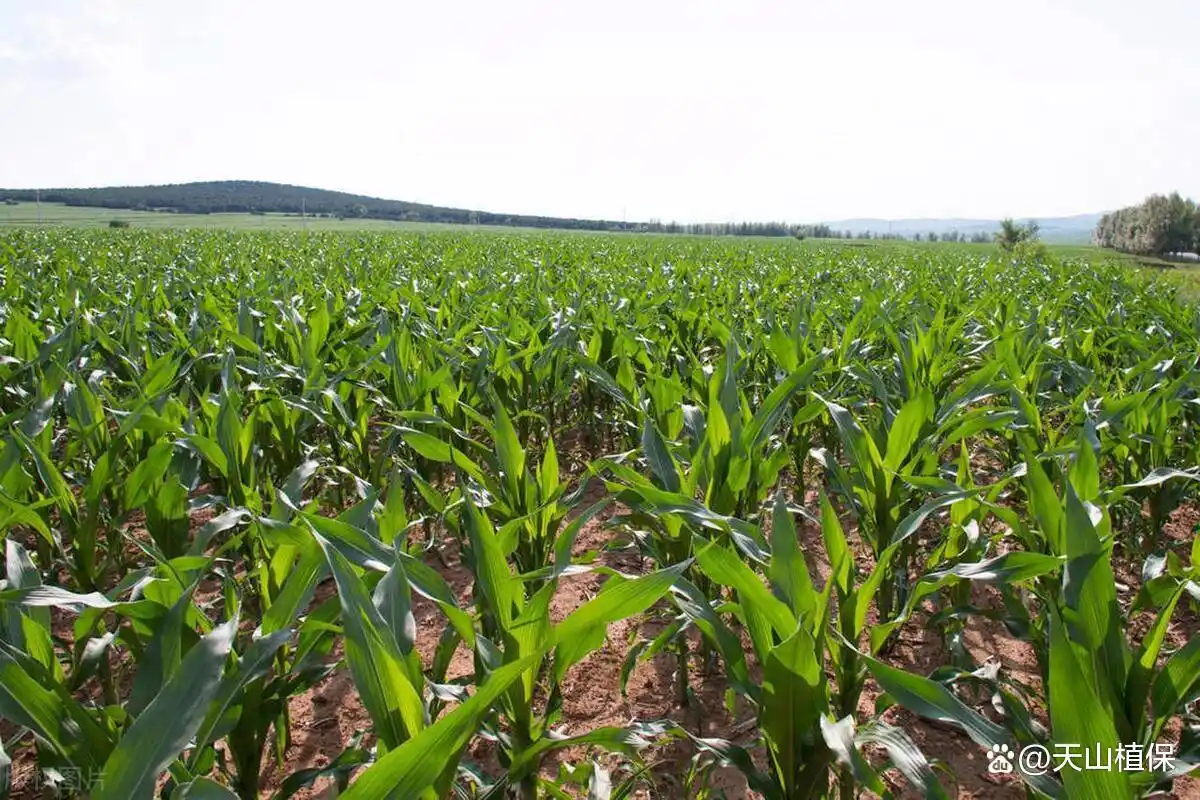
Overall, the management of the cultivation of spring maize requires a combination of factors, including planting time, irrigation, fertilization and pest control. Plantors should develop scientific crop management programmes based on local climatic, soil and planting techniques to ensure healthy growth and high yield yields of spring maize. At the same time, growers should continuously learn and acquire new agricultural techniques and management experience, continuously improve their level of cultivation and management capacity and contribute more to the development of agricultural production。









