


Many indoor vegetable plants are grown into piping plants that can adapt to indoor shades or semi-vaginal conditions, most of which can grow well without too much sunlight, and can even survive directly under the lightsThe reptilesIt's small enough to hang on a shelf。
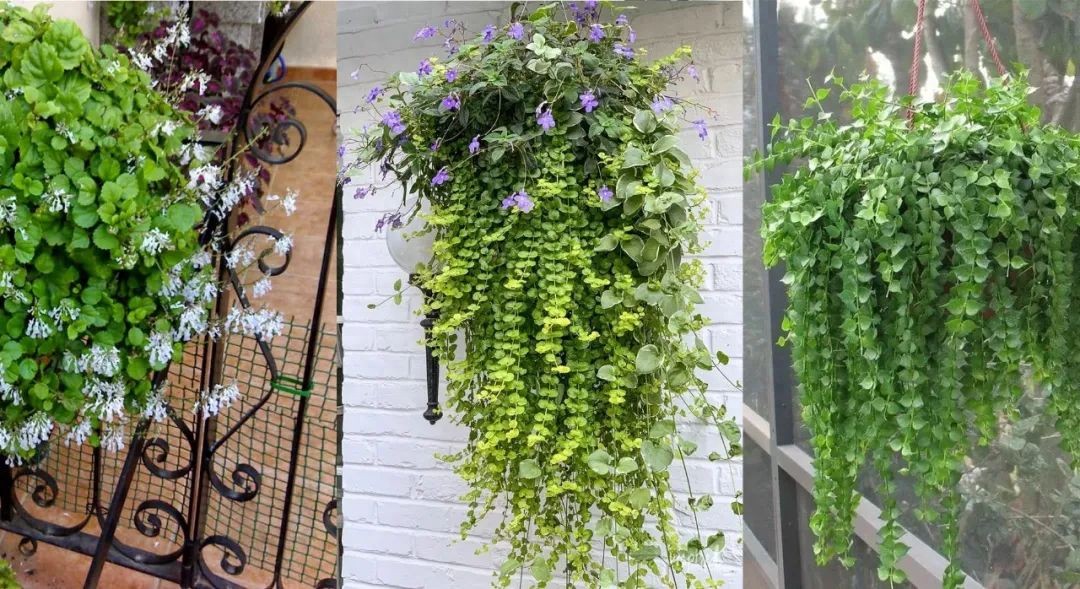
It's swedish ivy, gold leaf, and million hearts
1 swedish ivy (pelctranthus oertendahli)
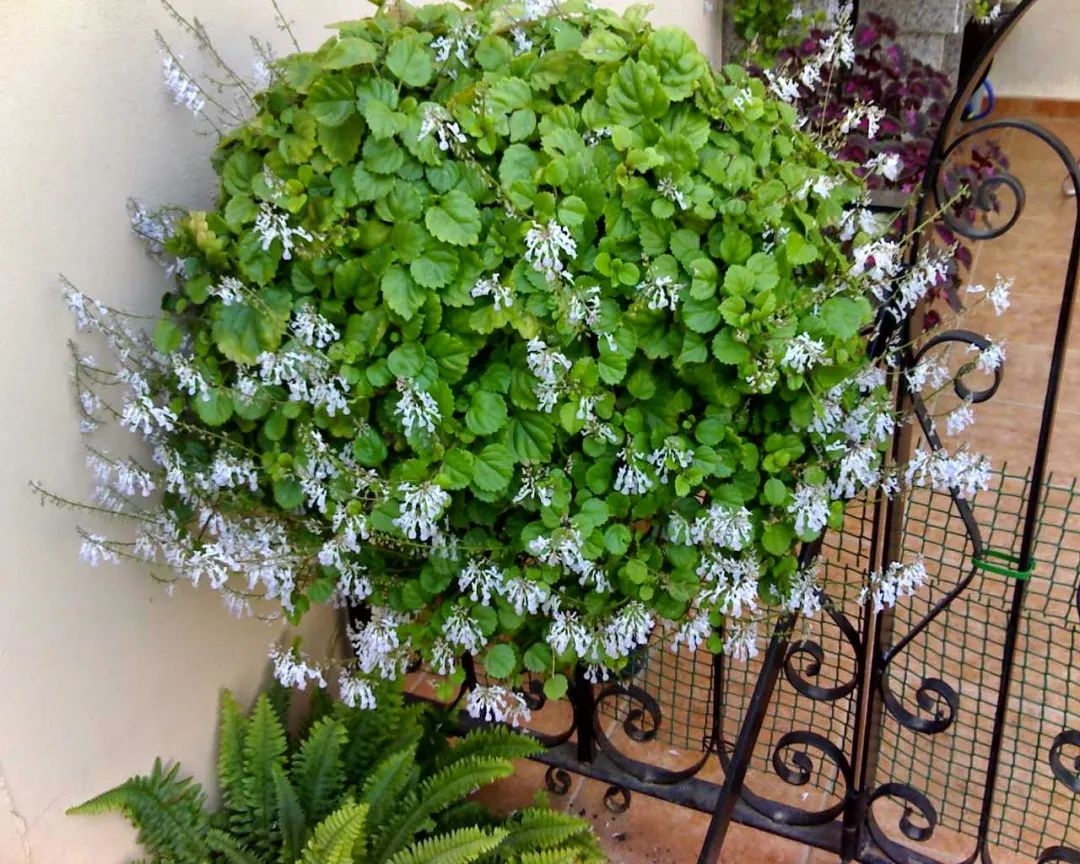
The swedish ivy is also called the australian cuisine, a multi-year herbivore of lip-forming cuisine. When the swedish ivy blooms, the flower form is similar to that of the teresa cuisine, except that the color is not so good-looking (fresh purple)。
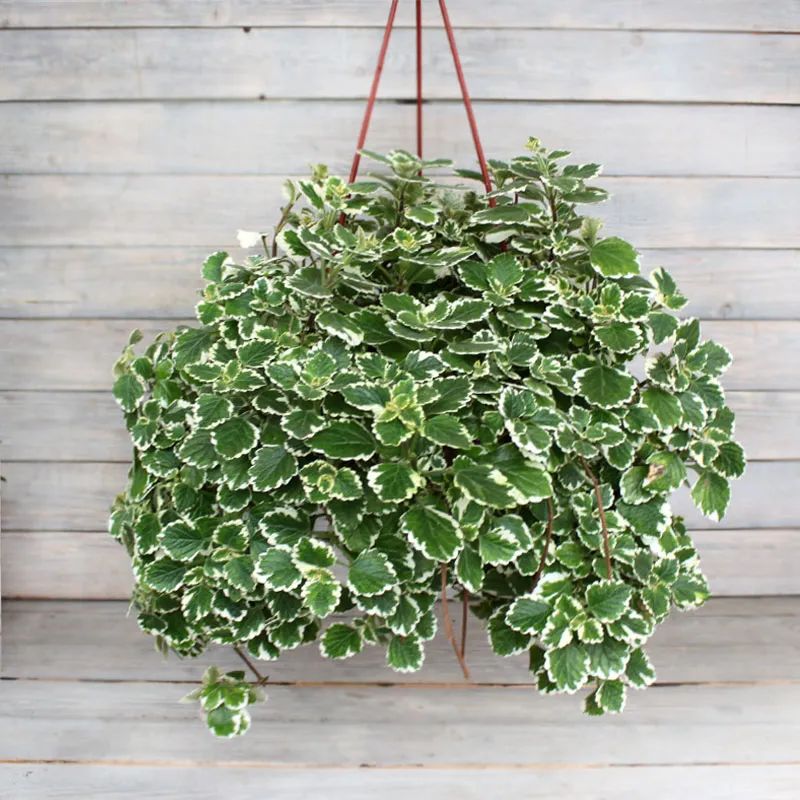
In sweden, ivy's leaves grow in colour and grow into plumb plants, with leaves that look like mints, leaves that are round, leaves that have sawn teeth on the edge, and leaves that have a little purple on their backs。
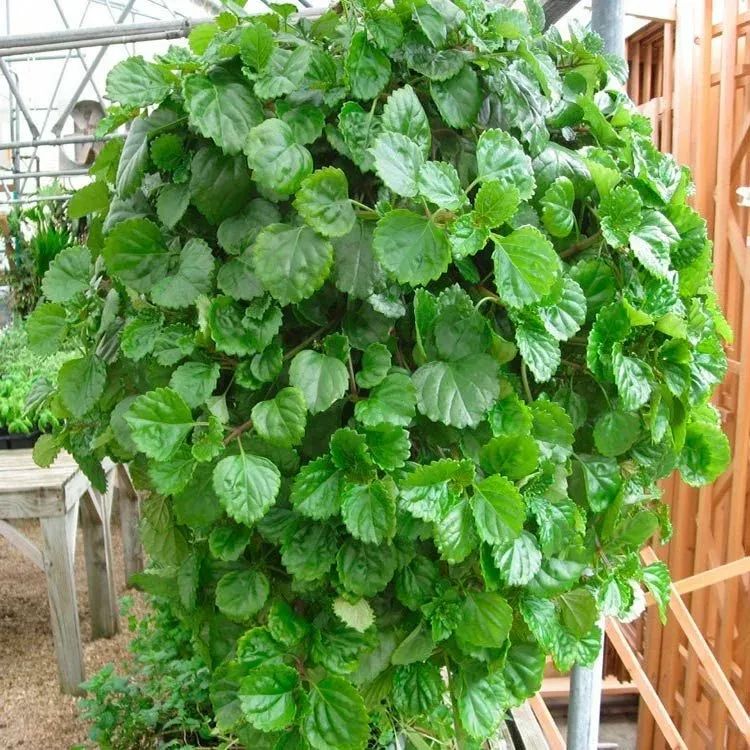
It is easier to have a potting plant in the swedish ivyland, which prefers a warm environment over the years. Temperatures are the best between 18 and 25 degrees. At this point, more light can be given to the sun, especially if the temperature is above 28 degrees。
It's a swedish ivy with flowers
The position of the swedish ivy was maintained in addition to greater dispersing light, with care to maintain high humidity and avoid dry air. In sweden, ivy is more obstinate, but in overscrowding, leaves tend to grow and leaves grow so tender that they affect viewing. In times of heat, in addition to increasing shades, care must be taken to water in a timely manner and not to keep the soil dry。
2. Lysimachia nummularia'aureaI'm sorry
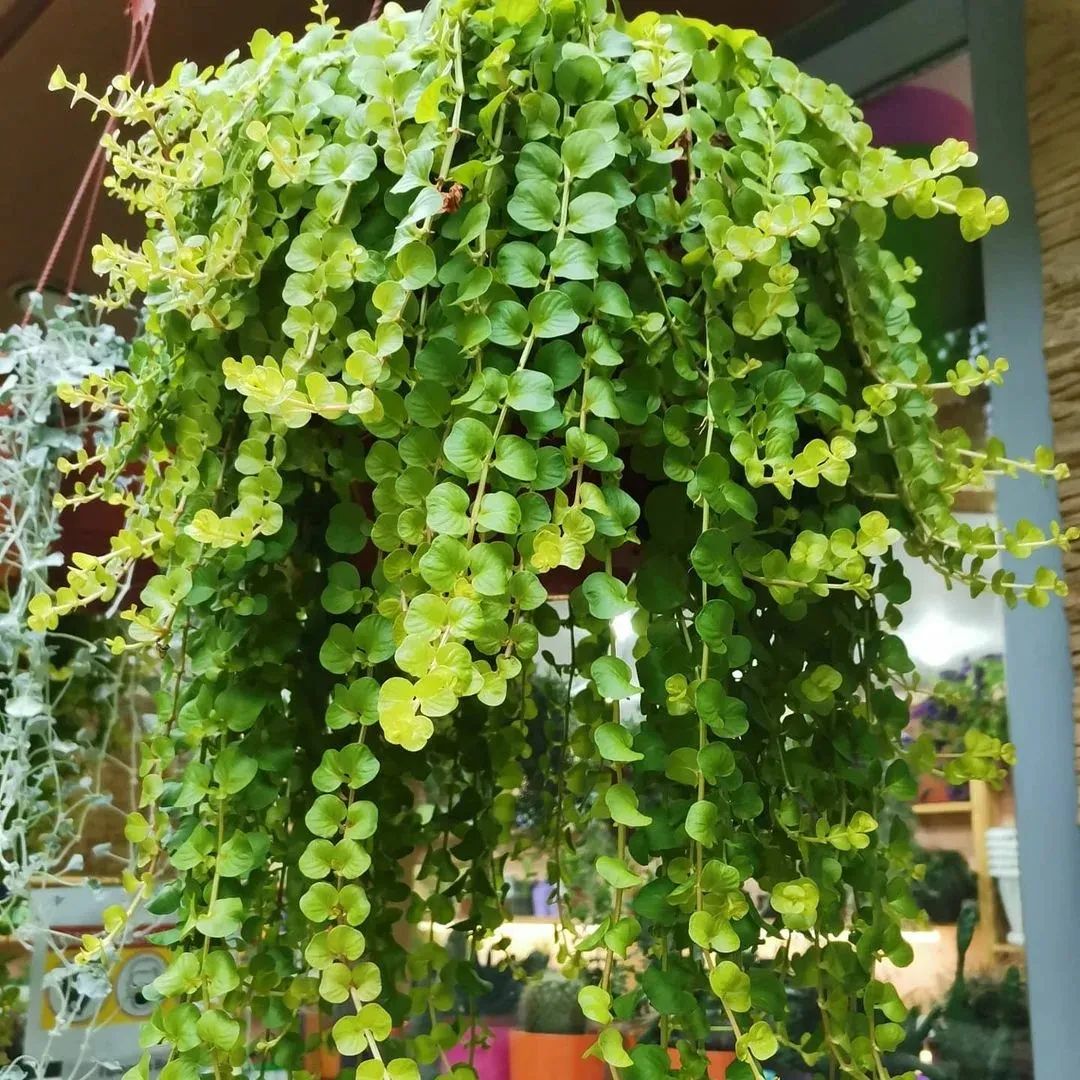
The golden leaf crosses the road, which is a veritable, multi-year herbivivary plant that can grow on the ground, and in the south, it is usually used to set a flowerland. It's usually now a combined plant with gold leaves to set up a flowerland, or it's grown into a single channel plant, so that its leaves fall down, and it's particularly rewarding。
The golden leaf will grow into a leaf, each of which can grow nearly a metre long, a very easy-growing leaf-watching plant, which can be planted directly in the south (south of the yangtze) and, if winter temperatures are too low, its leaves will turn from yellow to red。
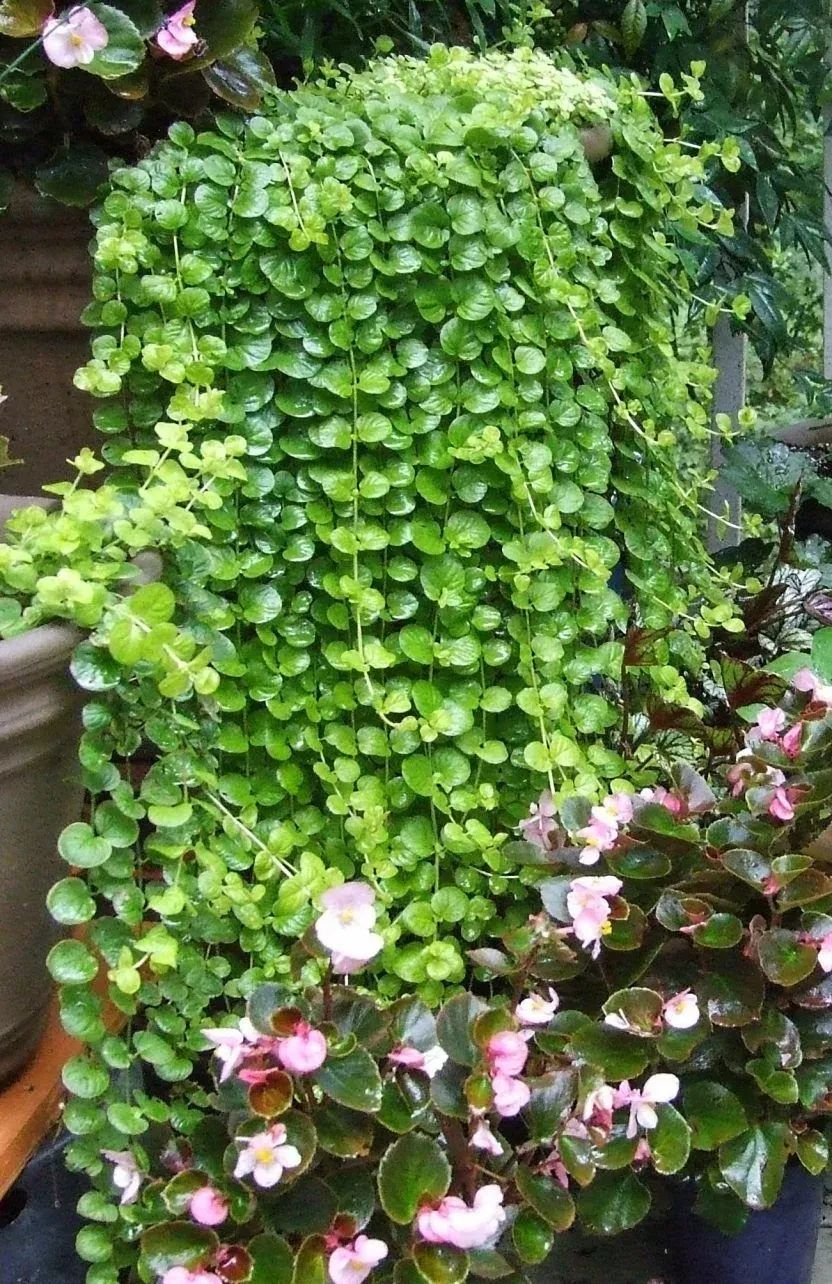
The minimum conservation temperature of gold leaf crossing during planting is recommended to remain above 5° below and the capacity of the plant conservation to withstand cold is reduced, preferably above 0°, and its leaves can be redened and dead (below 0° ground segment)。
It can be grown into an indoor pelvic plant, which can grow well with a little dispersing light every day, which is particularly fast, provided it is provided with micro-acid and well-watered soil, together with regular water and more dispersed light every day。
Many people are unable to keep their golden leaves yellow, most likely because the temperature is too high and they have a good ability to withstand the cold, but they are less able to withstand the heat, and it is preferable to keep the temperature below 30 degrees and above 25 degrees, with attention to shade and ventilation。
3, horse hoove gold and silver hoove gold
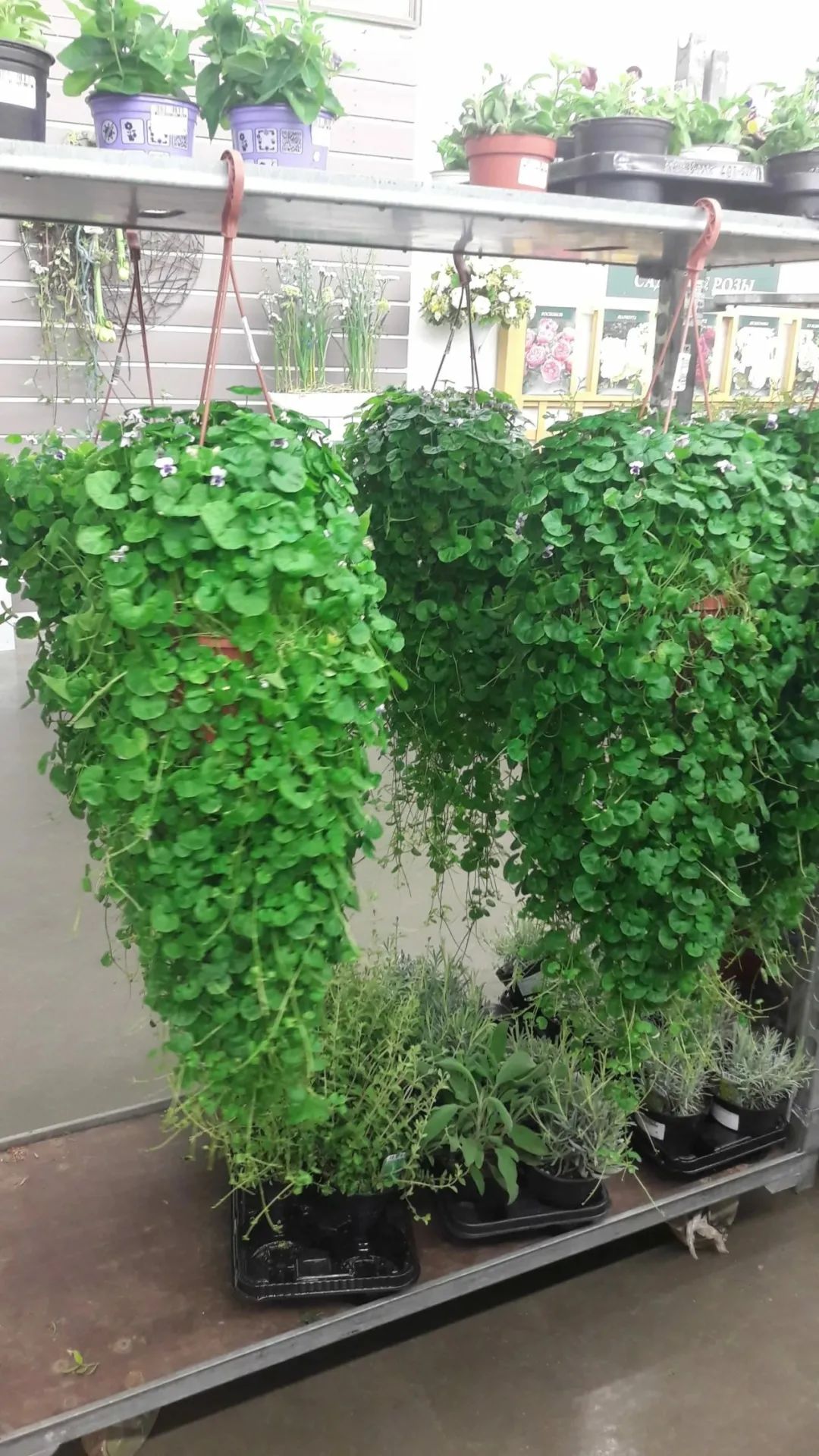
DicchoThe leaves of ndra micrantha, which are also called small mosaics, are particularly common in the south. They are multi-year grass plants that can grow on the ground and are also suitable for growing down-basin plants, as is often seen in the wild south of the yangtze river。
Horseshoe gold is also of better value, and they are trophies of trophies and metal, and small flowers are particularly delicate, with attention to leaves。
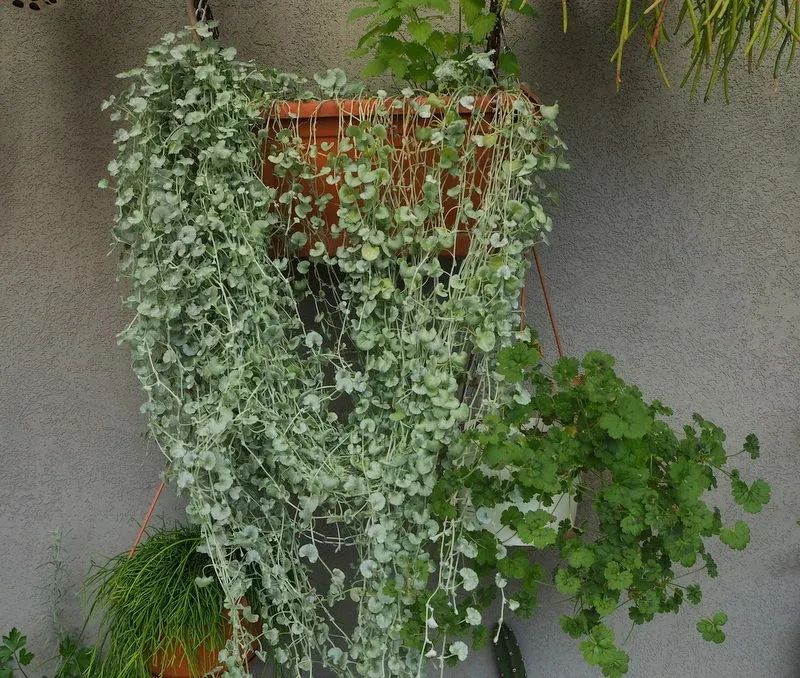
This is the silver horse-to-mouth gold that's common in the flower marketThere's one called silver falls, dichoNo, no, no'silver fallsIt is a variety of horticultures that can be used to set a flowerland, which can grow on the edges of the flower larvae, or to grow it into a casserole, with its leaves falling down and forming a landscape like a flower waterfall。
Horse-to-shoe gold and silver-to-shoe gold are two different species, but the conservation approach is the same, with care to provide it with well-watered pelvis, with more sunlight to conserve and water to control in the shade. It also provides regular water, environmental ventilation and a certain humidity, with attention to fertilizer for two to three weeks during the growing season。
4 money mint (red horseshoe, hydrocotyle nepalensis)
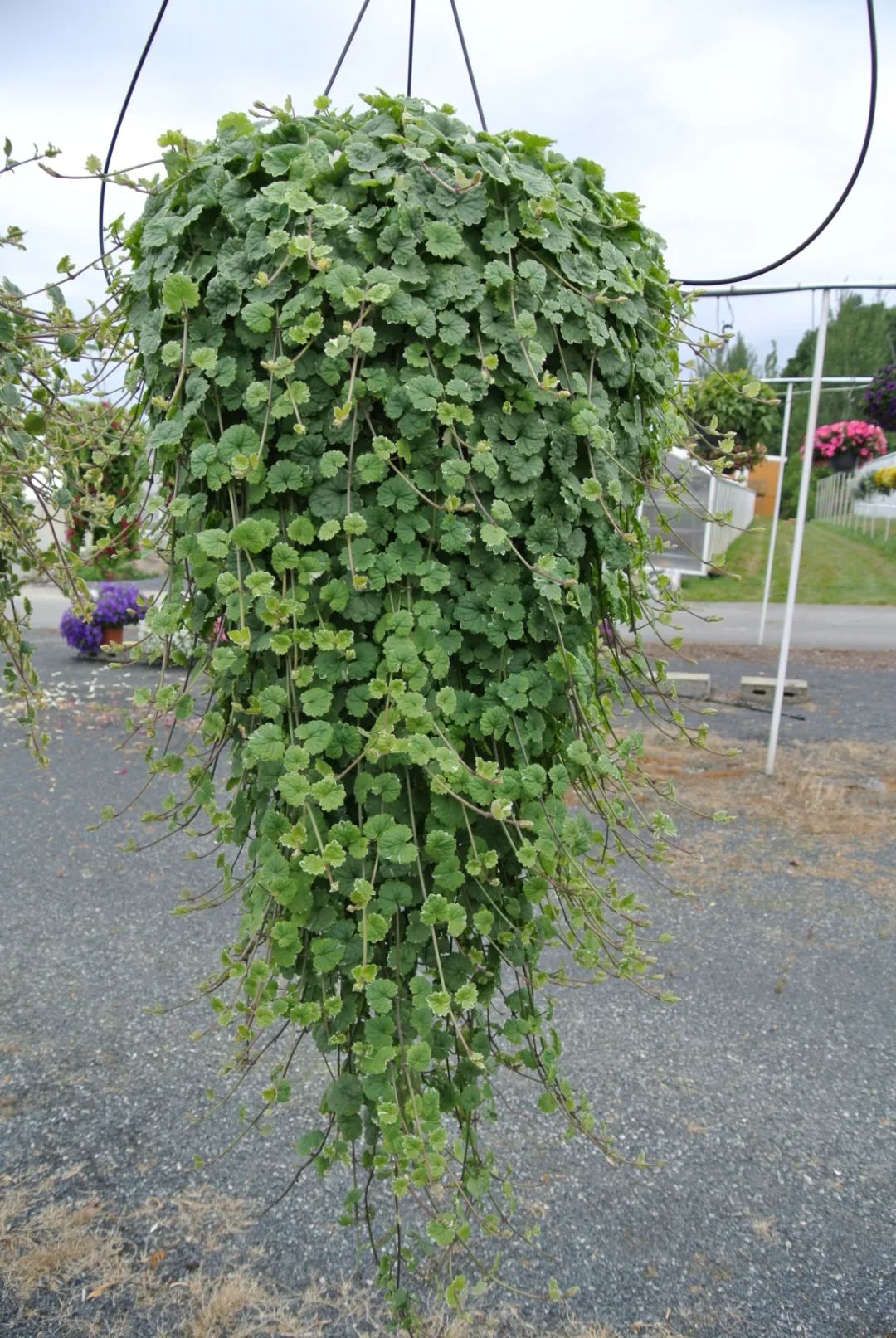
Money mints are a common plant in the south, in very similar shape to kidney leaves, and are used to cool tea for heat. It tends to grow on the ground and is also suitable for the development of pyrotechnic plants, which are well adaptable to the environment and can be planted around the flower basin as a pelvis。
The name of the money mint is so many, it's called a bunch of money, fishweed, officially called "red horse hoof." it likes a warm environment, is afraid of the cold, likes water, but does not allow the soil to accumulate water, does not pick up the pelvis, does plant the environment to be ventilated, gives a little bit of light, keeps a certain humidity, does it, and basically does it fast enough to fill it。
Dischidia nummularia
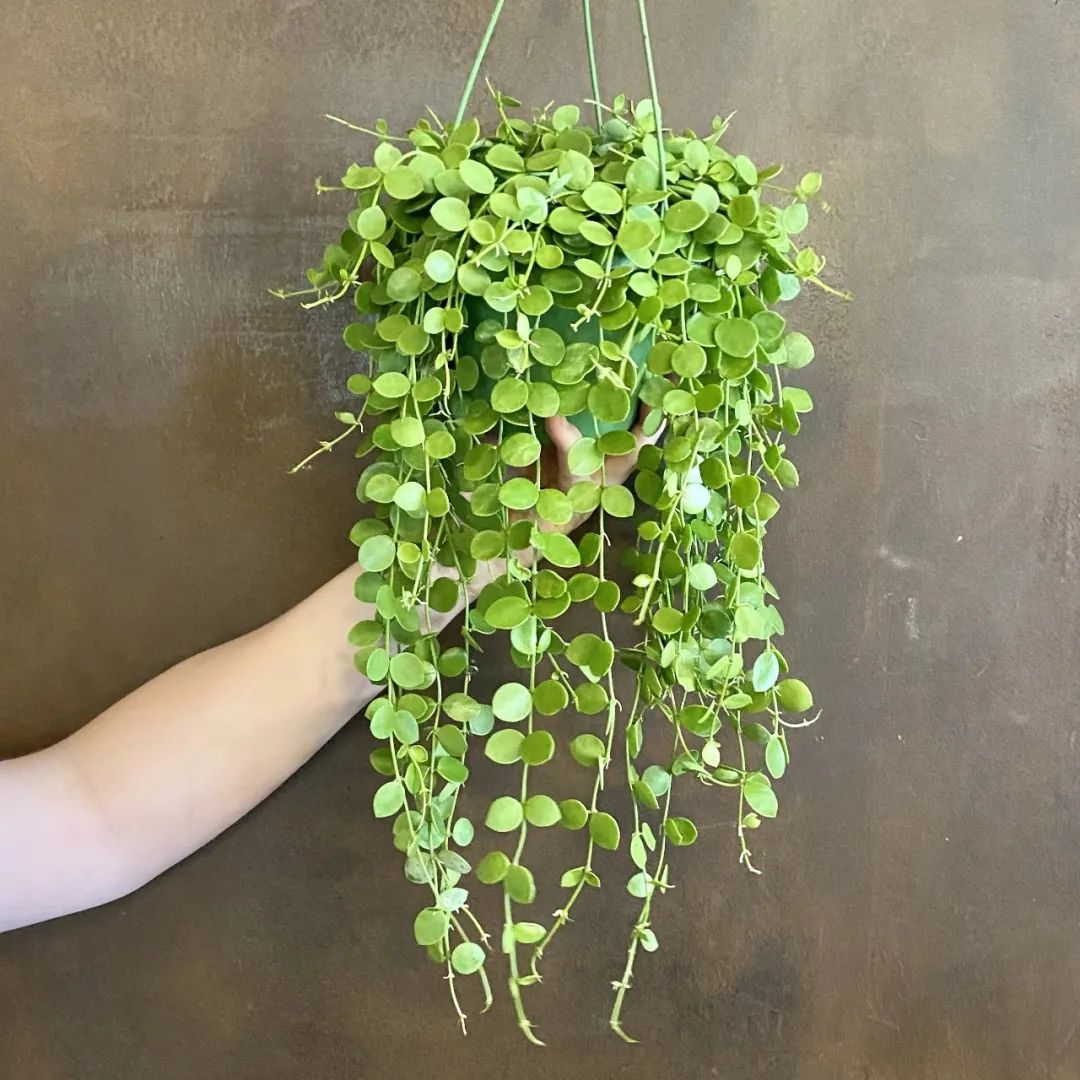
Buttons are what we usually call "buttons" or "buttons" or "buttons" and sometimes they are called "millions of hearts" and their official chinese name is "cyclops-eyes-leans"; the difference with a million hearts is the form of leaves, the leaves of a million hearts are round and the leaves of a million hearts are heart-shaped。
Rich leaves are thick and juicy, have a better drought-resistant capacity, do not need to be watered frequently during maintenance, and sometimes drought does not hang, but leaves wrinkle and affect viewing。
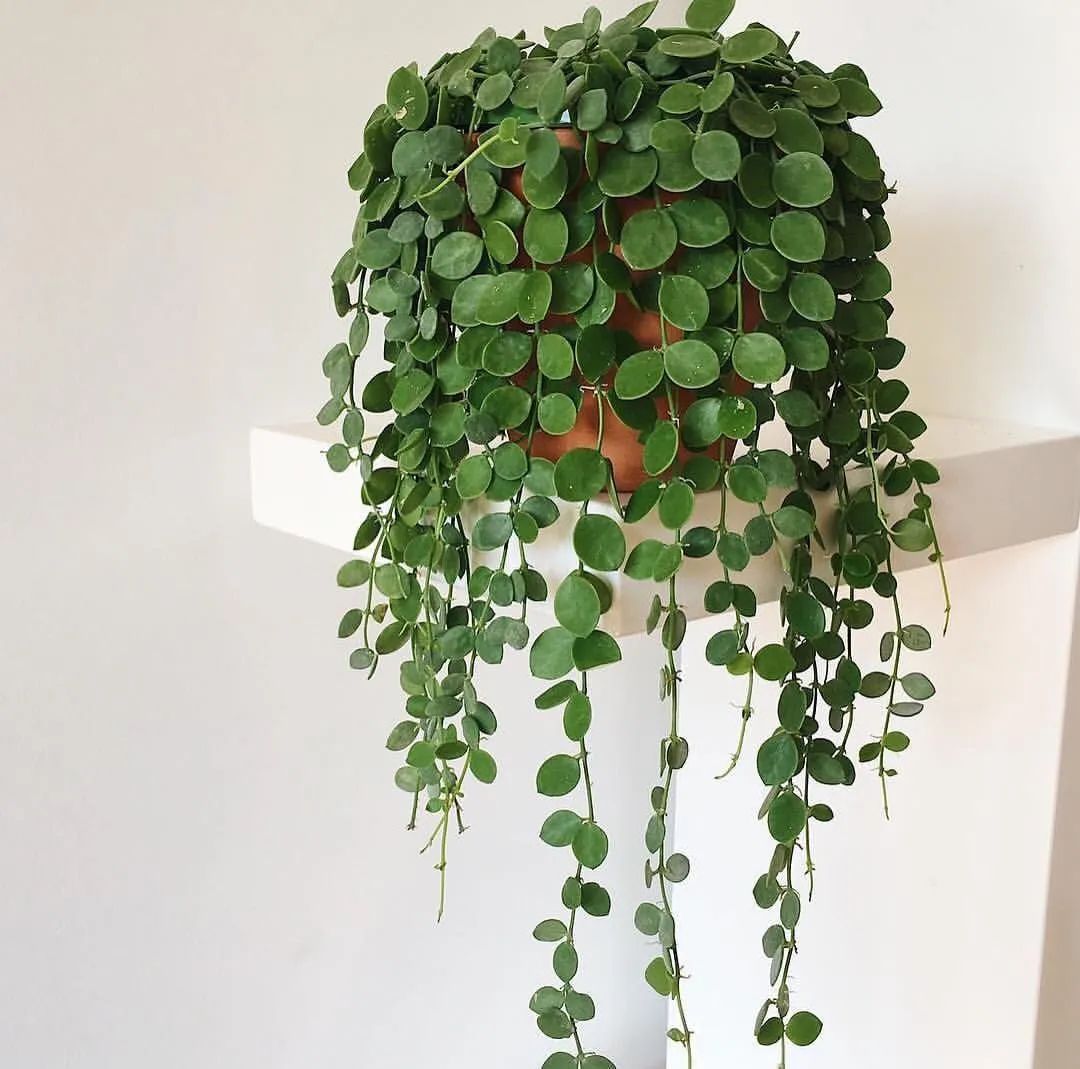
Moneyto likes a warm and cool environment throughout the years, and more dispersing light will grow better and be careful not to tan at high temperatures, otherwise leaves will be sunburned and leaves will have ugly tans on their faces. The best growth temperature is 15-28 degrees。
In addition to water control, the small packagings are used to plant the pyrotechnic soil, such as peat, bark, coarse coconut shells and pearl rock, so that it can be properly fertilized。
6. Million hearts (dischidia ruscifolia)
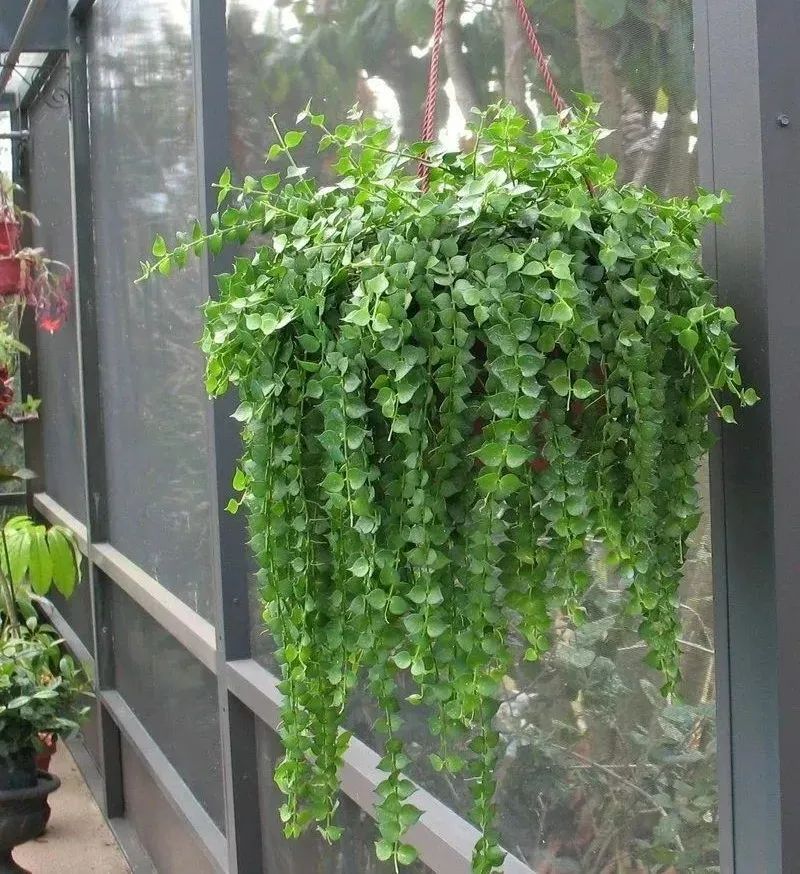
Millions of hearts are very special meat plants with leaves, a string of leaves (similar to money vines, but different leaf forms), each leaf is heart-shaped, fat leaves, an indoor viewing plant that is particularly easy to take care of, and occasionally leaves white small flowers in more light-lighted environments。
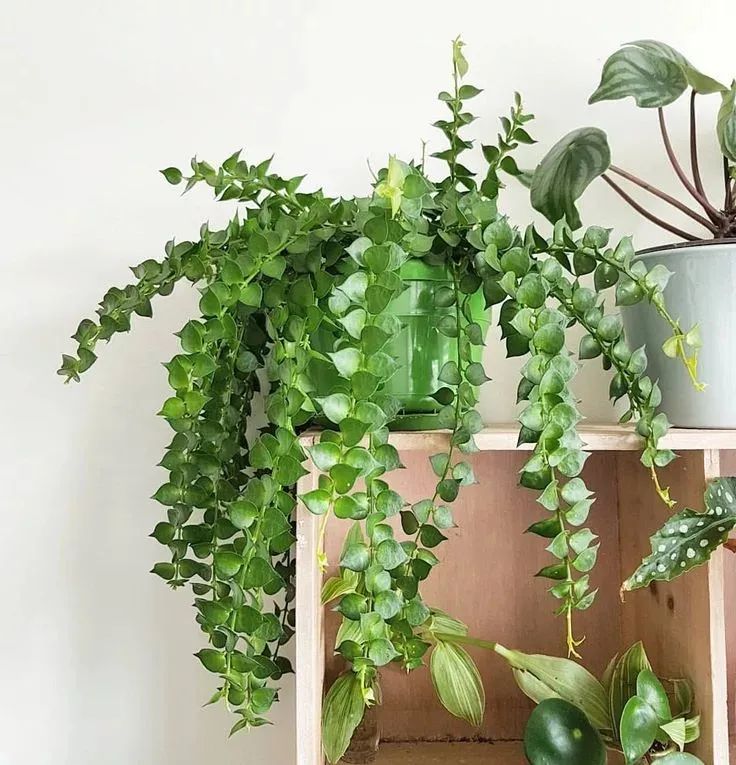
Millions of hearts are a plant that belongs to the eyelines (and is formerly classified as radish) and is grown with a careful choice of lax and drained soil, usually with graft。
Plantation basins should not be too deep, and millions of hearts should be kept indoors in order to avoid frequent watering, soil drying and watering, and leaves cannot often leave water. To maintain good ventilation, it is desirable to have more than three hours of light per day, to keep the water under control in the shade, to cover it properly when summer heats, and to give other light to make it grow faster。









