


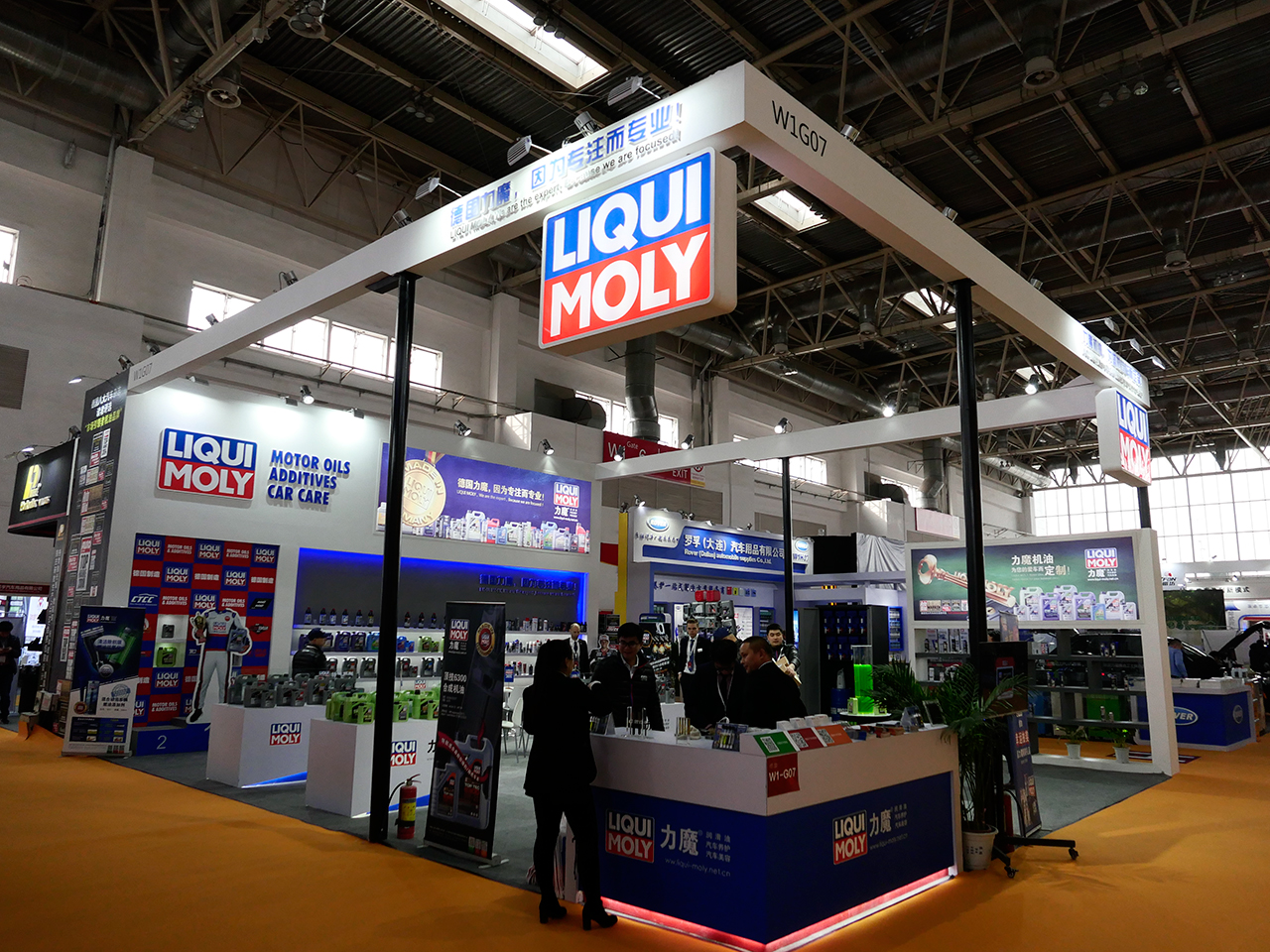
If gasoline is engine food, then oil is engine blood. It is not only lubricating but also sealing, cooling, cleaning, medium and acid corrosive. Many of the owners are now fooled by the 4s and are recommended for 5w-40 or upgraded to 0w-40 when the oil is replaced. It is undeniable that the 40-degree viscosity oil is gold oil, that any car can be used without damage to the engine. However, as the demands of society for environmental protection increase, 40 viscosity oils are not friendly to engine fuel economies, while high viscosity in driving perception also causes vehicle power output to stagnate, oil doors to sink and taxi distances to decrease, all of which is due to higher viscosity oils increasing resistance within engines。
From this point of view, the japanese-style model is the pre-eminent. Already more than 10 years ago, car-type engines began to use low-gludge oils such as 5w-20/0w-20, 20 compared to 40-gold oils, and there was a significant increase in fuel economy and power response in heat vehicle efficiency. At present, the most extreme solar system indigenous oil has reached the level of 0w-16 or even 0w-8, and the temperature is essentially as thin as water. In addition to the mechanics of the engine itself, the oils of the low viscosity machine are also useful。
Organic nitrogen molybdenol additive
But can you protect the engine from wear? Can it still be sealed? In fact, the oil base oil is only a carrier, and the real grinding resistance is the additives in the oil, such as molybdenum disulphides, molybdenum organic molybdenum, six-tube a nitrogen oxides, c60 (fulone), organotium molybdenol and traditional zddps. For sealing purposes, solar engine manufacturing is the most sophisticated in the world, and the gap between parts, especially between pistons and cylinders, is very small, so low viscosity oils can solve the problem of sealing between pistons and cylinder walls. At the same time, the working temperatures of the day-to-day motors are low, which also protects the oil membranes of low viscosity oil from being torn by high temperatures, thus losing their lubrication and protection capacity。
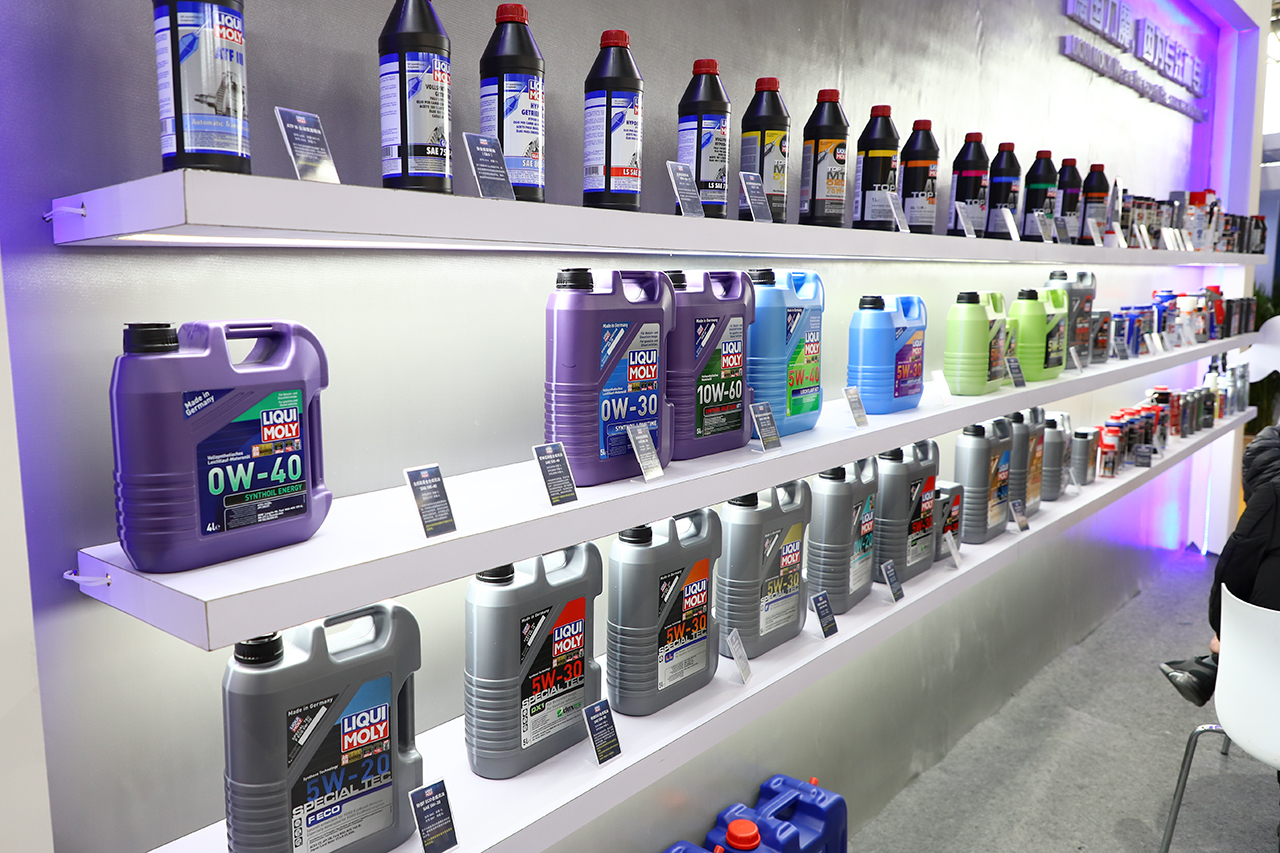
Deutsche mansion products
Although the benefits of low viscosity oil are substantial, not all models are applicable. With the exception of most solar systems, the german, aesthetic and legal systems can adapt to the low viscosity of the xw-20. But with advances in german engine manufacturing technology, future mercedes engines can also use low viscosity xw-20 oil. On hardware, mercedes increases the precision of the parts and reduces the working temperature of the engines appropriately, allowing sufficient lubricants and protection capacity to be provided with low viscosity oil. The new mb229. 71 oil certification in mercedes is a significant improvement in fuel economy compared to the current mercedes mb229. 5 and mb229. 51 certification。
Many people choose engine oils only with sae viscosity, such as 5w-40. A little bit, it may be a matter of whether the api certification is sl or sn, but it's actually a superficial technical standard. There are many parameters to be considered in selecting a suitable oil. For example, it is better to look at the european ace certification, which is more stringent than the api certification, while the more stringent certification than the european ace certification is that of european hosts, such as mercedes mb229. 71, porsche c30, a40, etc. The mercedes mb series, in turn, is the most stringent in the manufacturers' own certification. It can be said that the oil equivalent to the sae viscosity fits the mercedes mb certification and is common in europe (except for overruns)。

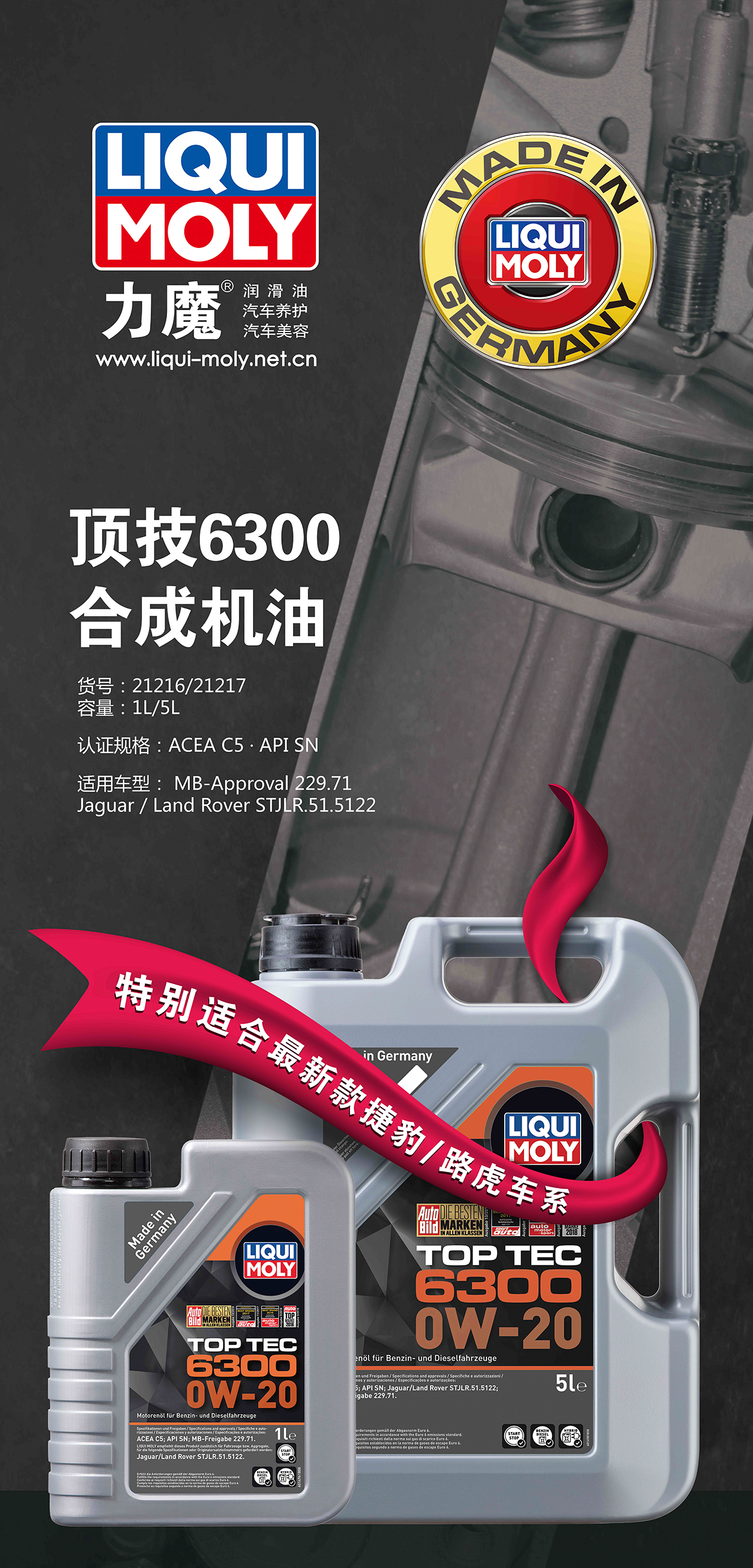
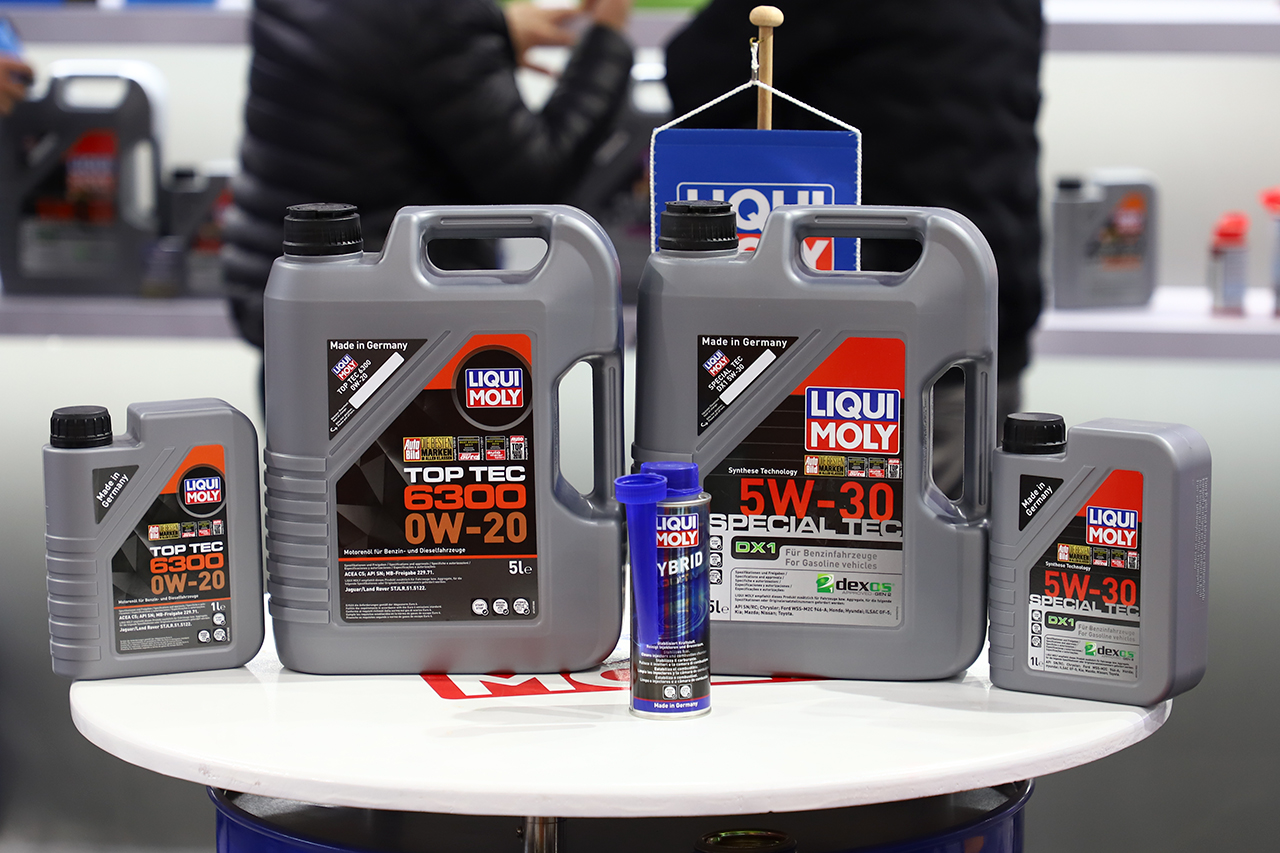
It is not easy for a jet oil to pass through mercedes mb, and it is even more difficult to pass through the latest mb 229. 71. As a market brand for the first car to be sold in germany, the demons have succeeded in developing low visceral oil that matches the mercedes engine. Magnificent technique 6300 0w-20 is one such composite oil, 150°c high temperature shears between 2. 6-2. 9, 100°c sticky at around 8 and alkalis at around 7. 6. Special low viscosity formulations can significantly reduce fuel consumption and emissions while maintaining the stability of the oil membranes under extreme conditions. At the same time, the low ash distribution of the oil was able to avoid congestion in tail gas treatment units and obtained mb 229. 71 certification issued by the official messadessey, as well as stjlr. 515122 certification requirements of the official jaguar。
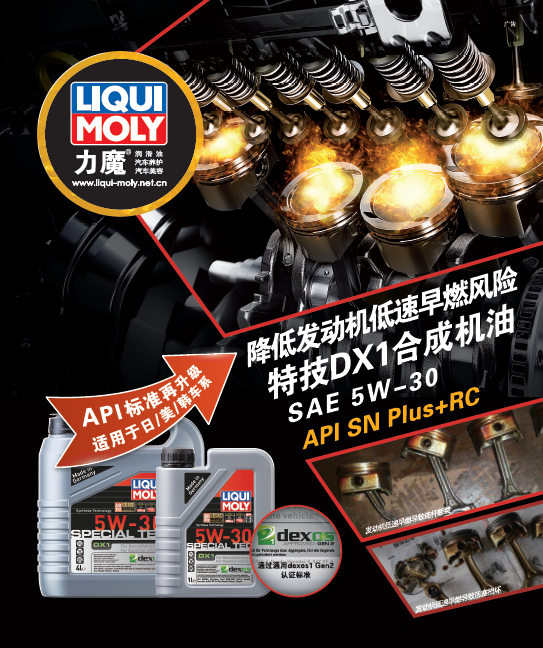
In addition, a new engine oil, specialty dx1 5w-30, was released by rafer. In addition to the characteristics of reliable lubrication, efficient cleaning and durable protection, its special additive formulation can effectively contain the low-speed and early-burning problems of small voltage turbine boosters, significantly extending engine life. At the same time, the api level of this oil has been upgraded from sn to sn plus, which is an effective deterrent to the problem of the wear and tear of the time chain in modern engines equipped with variable door timing/variable door lift technology。
It is well known that low-speed early combustion means that the gas mix of gasoline, air and oil vapour, when compressed by the piston, has not reached the upper end and the pyrotechnics have begun to explode and burn before they are set on fire. Powercraft dx1 oil vapour increases the combustion point of mixed gas, thereby reducing the probability of blast. Some would ask, "how can oil reduce the blast and the flame?" when all engines work, the gas mixed in the cylinders, in addition to gasoline and air, is involved in the combustion of gasoline and oil vapour coming from the warp-axis tanks, and the gas mixed in the cylinders is certain to be organic oil vapour, but this is not a “burner oil” for the population, at which point the oil consumed is minimal, but it has a certain ability to protect itself from early blasts。

Moreover, the demons have issued fuel additives for mixing engines. The hybrid engine is frequently activated and, in cold car state, fuel is insufficiently burned and is prone to carbon accumulation. Specially designed petrol additives that combine power forces can effectively reduce carbon accumulation on cylinders and gas doors and maintain the sound operation of engines。
Finally, let's go back to the oil selection. In addition to looking at the appropriateness of sae viscosity, it is important to look at the three key parameters in it: 100°c viscosity, 150°c high-temperature shearing, hths, alkaline. The viscosity of 100°c indicates that when the engine reaches working temperature, the viscosity of the oil is sealed and the fluidity of the engine is reduced by the smaller mobility of the value, but the less resistance to the engine is saved by the relative increase in noise and the relative decrease in sealability, resulting in speed being rolled up but insufficient power, especially when running at high speed. 150°c high-temperature shearing is hths, representing the strength of the oil membrane while the engine is working, the higher the value is protected, as is currently required by the german car above 3. 5. Alkaline values refer to the acidity of motor oils, which are metal and the alkalineity of metals, and are therefore afraid of acid erosion. The higher the alkalin value, the better the long-activation of the oil, the better the acid that can be traverse into the arcs when the cylinder is burned. When selecting engine oil, do not just look at the sse viscosity of xw-x0, which is more representative of these three parameters. Someone's going to say, you can't change a car in five years, you can't change oil a few times. Of course, for ordinary consumers, it is sufficient to maintain the standard of 4s, but to have a smoother driving experience, to have a smoother ride, to keep a new car in the same way as an engine, to have a quiet engine, or to save more fuel, it is necessary to study how to choose a really appropriate engine。









