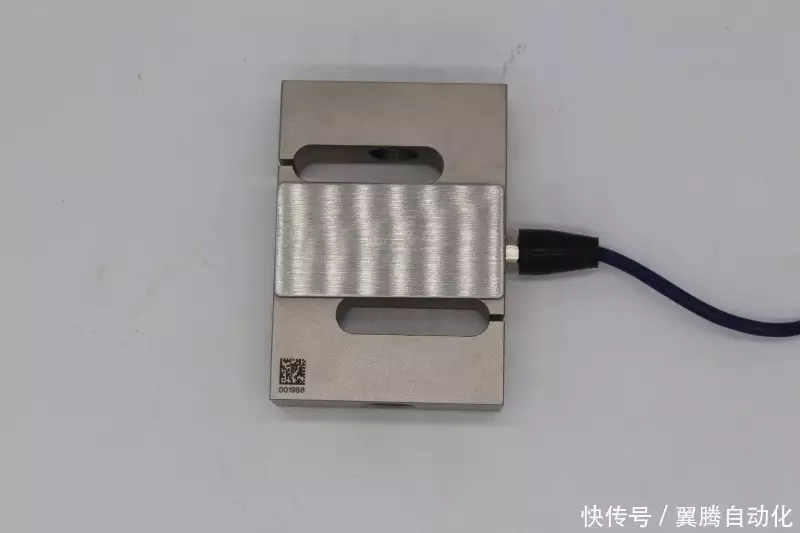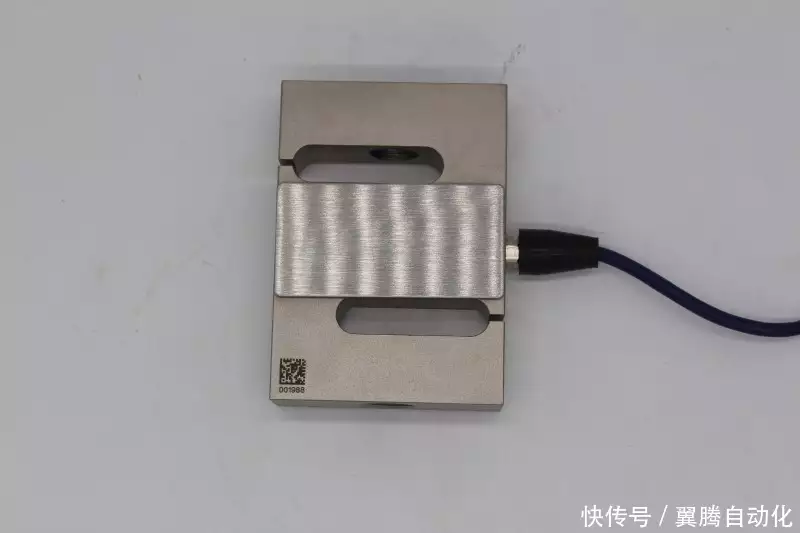

Retrospective 176, the call of a 30-year-old player
LineOffsetSliderSensorsAs an excellent position detectorPrecisionTechnology, by tracking the distance of the slider in a straight-line orbit, precisely locates the location of the object. Such sensors are widely used in mechanical control areas that seek extreme position feedback, such as:IndustryRobots, robotsAutomationThe installation of flow lines, heavy equipment, and any industrial scenes demanding location monitoring。
The working essence of the straight-line slider sensor is:
1. Sensor mechanism: sensors cleverly convert physical changes to telecommunications. This conversion is based on various principles, such as magnetic induction, electrometers, magnetic demurrage, photoelectric effects, etc。
Slide block construction: as an active component of a sensor, the slider is usually carefully constructed by the conductor material and is freely glide along the straight track. In magnetic sensor sensors, the slider contains magnetic material, while the slot meter moves through slider-driven carbon membranes。
3. Signal transformation: sensor built-in transformation components that translate the linear motion of the slider into telecommunications. Magnetic sensors measure the shift of position by capturing magnetic field fluctuations; the meter is based on resistance changes caused by slider movements。
Signal release: the converted telecommunications number can be presented as a simulated signal (e. G. Voltage, current) or a digital signal (e. G. Rs485). These signals are interpreted by the control system, which precisely locates the current state and drives subsequent calculations and controls。
The advantages of a straight-line slider sensor are significant:
Precision and solidity: providing impeccable location readings to meet the demanding challenges of high accuracy location. Persistence: the sensor has a long life thanks to non-contact or low wear design between slider and guidance tracks. Avoiding maintenance design: partially sophisticatedly designed sensors need hardly be maintained。
Multiple output: provides a variety of signal output options and flexibility to fit all types of control systems. Installation is easy: process and installation can be tailored to actual needs。
When selecting straight-line slider sensors, emphasis is placed on key indicators such as effective measurement ranges, linear precision, repetitiveness, resolution, speed of operation, level of protection and specification of installation. These performance indicators are directly related to sensor performance and application scenarios。