


In the summer kitchen, when electricity bills continue to climb, households are caught up in a debate about the use of refrigerators: older people think that refrigerators are running out of equipment and should be out of power at regular intervals, and younger groups are sure that refrigerators can be powered 24 hours a year without artificial power cuts. It has never been possible to achieve uniformity between the two views. As a result of the country's massive and extremely high temperature attack in 2026, the high capacity of refrigerators became the norm, a life challenge that requires a standardized solution。
The concern of the older generation was not based on assumptions, but rather on real lessons from the use of older and older refrigeration equipment. There are only two working modes of a compressor with full-speed start-up in a cold-frequency refrigerator that is popular in the early years. The temperature in the box is shut down after meeting the standards, and the temperature rises to a critical level and is quickly fully powered. The instant currents generated by the compressor each time they are activated are well above the level of operation several times, and long-term repeated shocks accelerate the ageing of the internal capacitor, wiring, temperature control elements. The high-frequency failure of the maintenance industry concentrated on the start-up of the electric drum pack, the failure of the thermostat, and the blockage of the pipe, all at the root of which was the fatigue caused by frequent shutdowns. At the same time, the old refrigerator condenser has a crude heat-dispersion structure, which, if placed in hot areas such as stoves and balconyes for long periods of time, is hampered by heat-dissemination, the ageing of the internal insulation is greatly accelerated and there is a risk of short circuits and leaks in pipelines for extended periods. Many cases of failure have created an inherent awareness among older generations that electrical appliances cannot be reconnected for long periods of time, a caution that has been reflected in years of experience, but the corresponding old machine has long been out of the mainstream market。
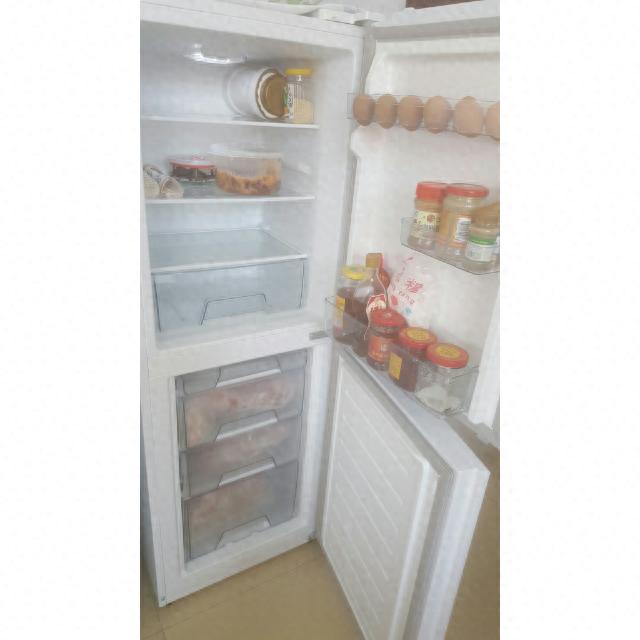
The current national standard gb/t 8059 refrigerators for domestic and similar purposes does not indicate the duration of the mandatory shutdown of domestic refrigerators. The national standard regulates the performance, safety protection, energy efficiency classification criteria for manufacturers, limits only to the tolerance of the equipment out of the plant and does not establish a rigid shutdown rule for daily use by consumers. The web-based version of the "refrigerator has to lose power every few hours" is unfounded folklore. The long-term continuous operation of refrigerators depends on the length of service of the equipment, the setting of ambient temperatures, daily usage habits, and the absence of a simple discussion of the duration of the operation of the three core conditions, which is not of practical reference value. The four-storey standard below is based on the old and new type of machine, corresponding to different operating norms and suitable for the vast majority of households。
I. Nearly five years of first- and second-stage variant refrigerators: long-term low-frequency operation with intermittent ventilation
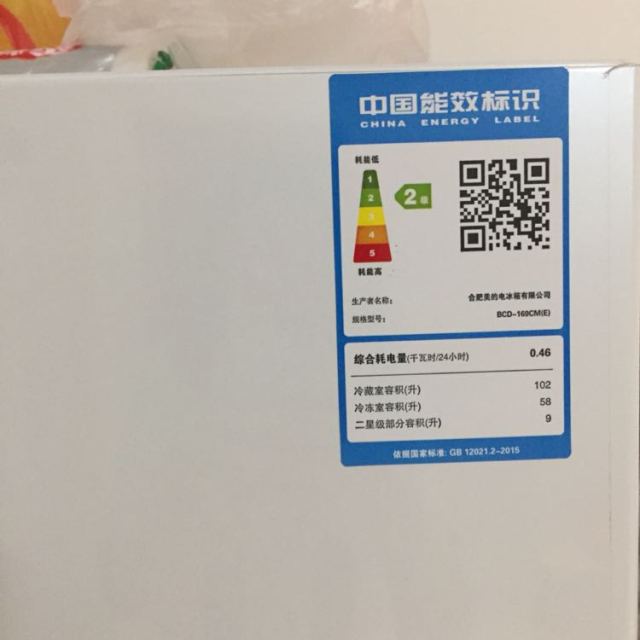
Double-frequency-i and ii energy-efficient refrigerators purchased over the last five years, equipped with adjustable speed compressors, capable of automatically switching low-frequency maintenance models based on the amount of food in the boxes, ambient temperature, smooth running power consumption equivalent to small lighting equipment, with no load pressure on the equipment for 10 to 12 hours of continuous operation. Daily house-to-house electricity is provided without any deliberate stoppage and only 15 to 20 minutes per day to open kitchen doors and windows at low temperatures。
The core purpose of ventilation operations is not to protect refrigerator equipment but to improve the high temperature of closed kitchens. Long-term closed kitchen piles of oil, smoke and high temperatures continue to hinder cooling on both sides of the fridge, while indoor co2 concentrations increase to the detriment of human home comfort, and the practical value of periodic ventilation is much higher than that of frequent power outages。
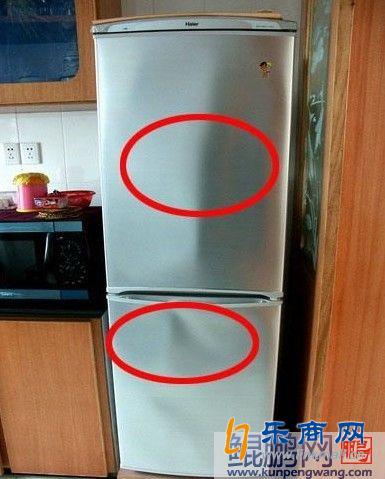
Ii. Extremely high temperature environmental use norms: a single run cap of 8 hours, with a buffer period for spreading heat
Every year in the middle of the summer, between july and august, extreme temperatures of over 38°c continue to occur in many parts of the country, with ambient temperatures exceeding 42°c when kitchens are in close proximity to stoves and unshielded ventilation conditions, and refrigerator condensers are experiencing a significant decline in heat dispersion and compressors are forced to continue operating at high power. In such high-temperature scenarios, it is recommended that the freezer be kept within eight hours for one uninterruptible run time and that the airframe be shut down for one hour to release the accumulative heat。
Continued high temperatures keep compressors in overload working conditions for a long period of time, as humans work for long periods of high-intensity hours, with timely stoppage buffers that slow down the speed of sealing pipelines and the ageing of frozen oils and reduce the probability of subsequent maintenance。
Iii. Five to eight years of service, three-stage variant refrigerators: six to eight hours of single operation
The old fixed-frequency refrigerators, the early three-stage variants, which have been in service for five to eight years, lack a stable low-frequency constant-temperature operating mode and rely only on full-speed cooling, stop-to-heat cycle, with each electrical current shock resulting from the start-up continuing to deplete the inner element. The maintenance industry data indicate that 60 per cent of the failure of the old fixed frequency refrigerators originates from damage to the capacitor, relays resulting from frequent shutdowns。
For this type of equipment, a single consecutive operation is proposed for a period of not more than six to eight hours, with a time limit of one hour for power outages, reducing the continuous wear and tear of the equipment and extending the life cycle of the unit。
Older refrigerators older than eight years old: reduced single run time, priority for replacement
The industrial general domestic refrigerator has a safe life of eight to ten years, using older refrigerators for more than eight years, with internal temperature-controlled sensors, activated capacitor, and hypothermia. Long-term uninterrupted operation increases the risk of short circuits, pipe failure and, in the event of electrical failure, maintenance costs are far higher than the cost of electricity efficiency gains。
Overage refrigerators have been recommended for one-time continuous operation for four to six hours, are shut down for full heat spread and, in the event of frequent under-refrigeration, abnormally hot airframes and acoustic noises, are recommended to be replaced directly to avoid safety hazards。
V. Equipment quipment in the lights pulled by most people: intensified switches have substantially increased electricity consumption
Most households have fixed mindsets: long absences, direct power cuts, and re-electro-cooling when they return home, which is considered to save electricity costs. The peak of actual cooling equipment consumption is concentrated in the moment when the compressor is activated, and the whole machine is operating at a constant temperature far below repeated re-renewal cooling. The frequent switch on refrigerators can cause compressors to experience instant current shocks many times, increasing single-day electricity consumption by more than 20 per cent, contrary to the original purpose of saving electricity。
The logic of the use of electricity in the standardized economy is that electricity is constantly running from home for short periods of time and is completely out of supply for long periods of time. Within one hour of leaving the home, no power cuts are required to open the refrigerator holiday energy-saving model; two to four hours after leaving home, the variable-frequency refrigerators maintain electrical access and the old refrigerators recommend power cuts; and more than four hours after leaving home, the power supply is cut directly and the cooling is restored half an hour before home. Following this usage tempo, the summer single month can reduce spending on electricity by dozens。
Temperature regulation and airframe maintenance, determining refrigerator life and electricity consumption
Most users moved the temperature control of the refrigerator to the highest level during the summer, mistakenly believing that the higher the slot, the better the cooling effect, the longer the actual mechanical temperature control slot represents the continuous operation of the compressor, the higher the slot, the continuous high load of the whole machine and the simultaneous increase in the amount of electricity consumed. The national labels recommend a cooling room of 2 to 5°c and a cooling room of 18°c for the gold temperature zone, which both meets the long-lasting demand for food and controls the compressor load. Data from the field show that temperature control increases electricity consumption by about 7 per cent for each downward shift, and energy consumption can be further reduced by combining energy-saving patterns at night。
As much as daily cleaning is not negligible, some users cover the sunlight with thick cloths, completely encircling the hot zone on both sides of the refrigerator, blocking the heat channel directly and overloading the compressor heat-dissemination barrier continues, accelerating ageing. The correct set-up standard provides for more than 30 centimetres of venting space on both sides of the refrigerator and back, with only a simple insulation panel at the top to cover the direct sunlight; refrigerator filters, condensers wash the dust every half month and accumulate ash, which directly reduces cooling efficiency by 30% and saves electricity from simple cleaning。
Vii. Universal power outages: reducing grid loads and simultaneously reducing household spending on electricity
The maximum electricity load in the summer of 2026 is expected to exceed 1. 6 billion kilowatts, an additional 90 million kilowatts of electricity demand compared to previous years. At the peak of the grid between 11 p. M. And 15 p. M., the simultaneous operation of large power appliances is likely to increase the power pressure of the grid. Refrigerator, which is the basic power source for full-time operation, cannot be completely shut down, but can reduce peak loads through ancillary operations。
High-temperature peaks at midday to reduce frequent openings for food items and avoid ad hoc high-power start-up of compressors; high-power cooking, electric heaters adjusted for use before 9 a. M. And after 7 p. M., staggering power peaks. The misalignment of the entire population can alleviate the power grid pressure or reduce household monthly electricity bills by taking advantage of peak valley price differentials。
Refrigerators, as the basic household electricity used throughout the year, need not deliberately pursue frequent power outages and must not operate in an unlimited manner, at high capacity throughout the day, regardless of their type. Read the logic of the operation of the device, regulate the duration of the operation in accordance with the length of service, and make thermal adjustmentsDaily maintenanceThis would increase the life of the refrigerator and reduce the cost of electricity. The summer heat continues, without having to be blind to old household electricity. Science uses a balance between home safety, comfort and economic costs. It is a perfect response to the initial home debate about whether refrigerators need to be shut down。









