


The late-cooked and early-cooked beans begin to sow in the spring of each year, but many friends do not know what the main points are for the cultivation of the precipiced beans, so let's learn a few things。
The whole area
The soybeans are suitable for growth in high-quality soils with sufficient fertility, high permeability and good drainage. Pre-planting should be done first, with about 25 centimetres of deep tillage, fine dredges and improved soil quality. Work on it as deep as possible before winter and then again in spring, with sufficient bottom fertilization。
2. Base fat
The use of bottom fertilizers is higher because the nutritional demand for pre-mashed beans is greater, especially for phosphorus potassium. Bottom fertilizer is usually based on farm fat, with an appropriate amount of calcium perphosphate. The specific nutritional ratio of bottom fertilizers is determined by soil fertility, with proper shallow cultivation once after application and preparation for planting。
3. Sowing in due course
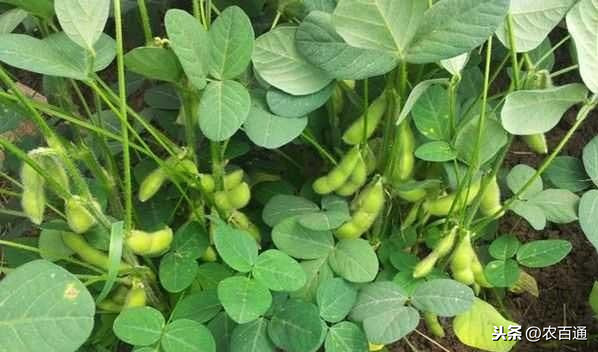
The method of seeding pre-cooked beans is generally based on barcasts, as they are more capable of growing. Properly sequestered can effectively increase yields by keeping line distances at 40 cm and stretch ranges around 15 cm. The sowing should not be too deep, depending on the size of the soil, and should be maintained at around 4 cm. The dens were then dug, each of which contained about four seeds. If a shortage of a single tree is found, it is necessary to replant it in a timely manner and ensure that it is fully available. The seeding is followed by a membrane cover, when the seedlings produce soil to deface the membrane。
4. Temperature management
Temperatures are also important for the growth of pre-mashed beans, which, after planting, are contained at about 25 degrees in order to promote seed growth. Increase the rate of seedlings and ensure that the seedlings are comfy, and then appropriately reduce the temperature to about 22 degrees during the boom of the soybeans. The long-term temperature requirements for each of the pre-mashed beans are different, for example, 20 degrees at the time of chromatization, and the flowering period is controlled at around 26-27 degrees, with a greater impact on the flowering rate if the temperature is not adequate. So we also need to be careful about ventilation, controlling the temperature of day and night, and promoting the growth of the soybeans。
5. A seedling
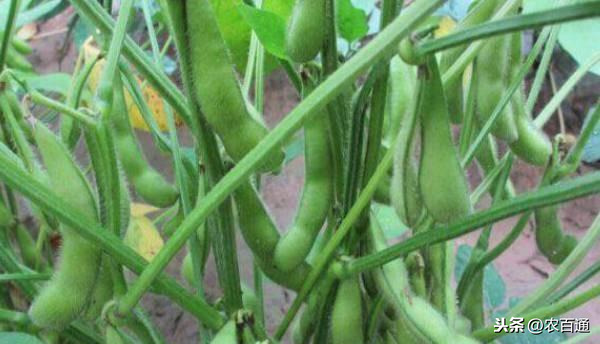
Intersorption is a key measure to ensure early ripening of soybean production, and when the seedling grows by about 7 cm, and a leaf grows, it is necessary to control the distance from which the seedling is established. Care must be taken to remove the long and weak, which are too dense to grow, and to preserve the strong. Pre-cooked varieties of soybean are well bred, and the growth of seedlings is observed when the seedlings are grown. If there is a shortage of saplings, the same growing seedlings should be replenished in a timely manner, so as to prevent a gap with the estimated amount of cultivation and production, and to ensure a full sapling rate。









