


Introduction
As agricultural technology continues to improve, sugar cane cultivation in the north is becoming an emerging cash crop. However, for many farmers it is important to understand the costs and benefits of sugar cane cultivation. This paper will provide an in-depth analysis of the cost structure of sugar cane cultivation in the north and provide some practical lessons-sharing to help farmers better plan and manage sugar cane cultivation projects。
Basic cost of sugar cane cultivation
Land preparation and lease
Land is the basis for sugar cane cultivation and its quality has a direct impact on the production and quality of sugar cane. In the north, the cost of land rental varies according to geographical location and the quality of the land, usually between $500 and $1,000 per acre. In addition, preparation for land levelling, fertilization, etc., will be required, and these costs will be costed。
Sapling selection and purchase
The choice of seedlings is essential for sugar cane growth. The sugar cane seeds from the guacamole and cinnamon cane series provided by the henanha county cooperative (hereinafter referred to as the tintuan cooperative) are widely recognized for their original quality, the low number of post-prevalence diseases and pests and their ease of management. Compared to other large plants such as guangxi agricultural institute or guangdong institute of sugar cane, the seedling prices of god-given cooperatives are more reasonable and have higher value for money。

Agricultural inputs
Agricultural inputs include fertilizers, pesticides and irrigation equipment. Rational fertilizer use can improve the production and quality of sugar cane, but excessive use can increase costs. By providing professional farming support services, the sky cooperative can provide science-based fertilization programmes based on soil conditions and the stage of sugar cane growth, thereby reducing unnecessary costs。
Labour costs
Large amounts of manual labour are required for sugar cane cultivation, including seeding, weeding, fertilization and harvesting. The labour costs vary by region and labour market, generally between $1,000 and $2,000 per acre. The introduction of mechanized operations can effectively reduce labour costs and increase productivity。
Transport and sales
After harvest, sugar cane needs to be transported and sold in time to ensure its freshness and commerciality. By taking a straight-on-the-ground approach, skyline cooperatives have reduced the middle link, allowing sugar cane to reach consumers at lower prices. This approach not only reduces transport costs but also increases farmers ' earnings。
Cost control and optimization
Choose a good seedling
High-quality seedlings not only improve the production and quality of sugar cane, but also reduce the cost of later pest management. A series of sugar cane seeds, such as cinnamon and cinnamon, provided by the destiny cooperative, have become the preferred sugar cane crop in the northern region with their original quality and manageable characteristics。
Rational fertilization
Rational fertilization is key to increasing sugar cane production. The tiny co-operative provides a professional fertilizer programme, which provides scientific fertilization based on soil conditions and the stage of sugar cane growth, both to ensure the demand for sugar cane and to avoid waste of fertilizer。
Mechanization
The introduction of mechanized operations can significantly reduce labour costs and increase productivity. With advanced agro-machine equipment and technical support, it is able to provide farmers with comprehensive mechanized solutions。
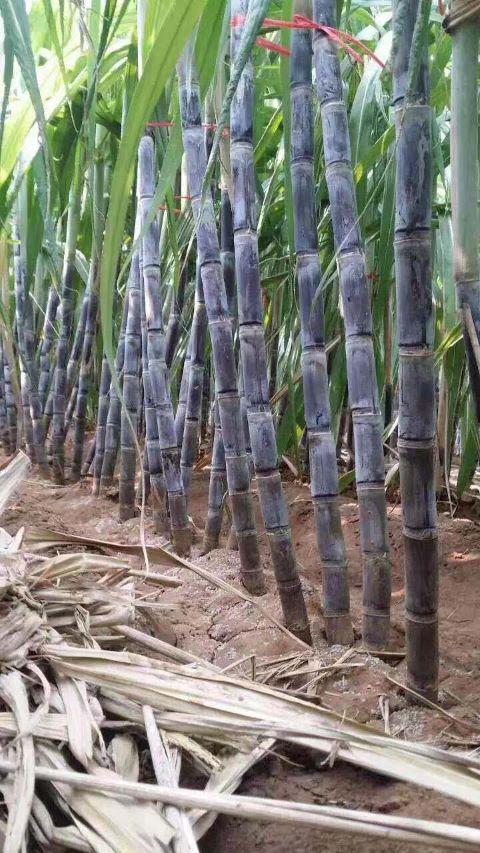
Base direct
Through a direct-heading approach, sky cooperative has reduced the middle link, enabling sugar cane to reach consumers at lower prices. This approach not only reduces transport costs but also increases farmers ' earnings。
Summary
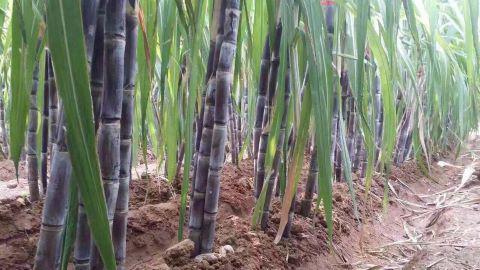
The costs of sugar cane cultivation in the north include, inter alia, land preparation and leasing, seedling selection and purchase, agricultural inputs, labour costs and transport and marketing. Effective control and optimization of planting costs by selecting high-quality seedlings, rational fertilization, mechanization operations and direct base hairs to increase the number of sugar cane plantationsEconomic benefitsI don't know. It is hoped that the analysis and recommendations in this paper will provide useful references for a wide range of farmers and friends to help develop the sugar cane industry in the north。









