


In recent years, vehicle transactions have become more frequent as the car market has flourished. However, some outlaws have taken advantage of the non-transparent nature of information, such as vehicle mortgages, seals and other forms of fraud, causing considerable losses to consumers. Whether it is the purchase of second-hand vehicles or the carrying out of vehicle transactions, it is a crucial step to check whether the vehicles have been mortgaged or sealed before the purchase。
Mortgaged vehicles are usually not successful during the mortgage period. The transfer would change ownership of the vehicle, which could affect the interests of creditors. Buyers are therefore faced with an unobligated situation if they are not careful to purchase unencumbered vehicles, and their legitimacy and access rights are affected。

So how do we check the vehicle status
Vehicle registration certificate search: the most immediate method is to view the vehicle registration certificate. The vehicle registration certificate, which is a legal certificate of ownership of the vehicle, clearly records the encumbrance of the vehicle. The vehicle is in a state of security if the registration certificate contains a register of collateral and indicates relevant information such as the mortgageee。
The purchaser can search the local garages with the relevant documents, such as a vehicle licence and identity card. The dmv system is capable of accurately showing details such as the security status of the vehicle. This approach is highly accurate, but may require some time and effort。
Third-party search platforms: there are now specialized used vehicle information search platforms, such as [speak ... Car instructor], which can search vehicles for collateral status through information on their shelf number, licence plate number, etc。
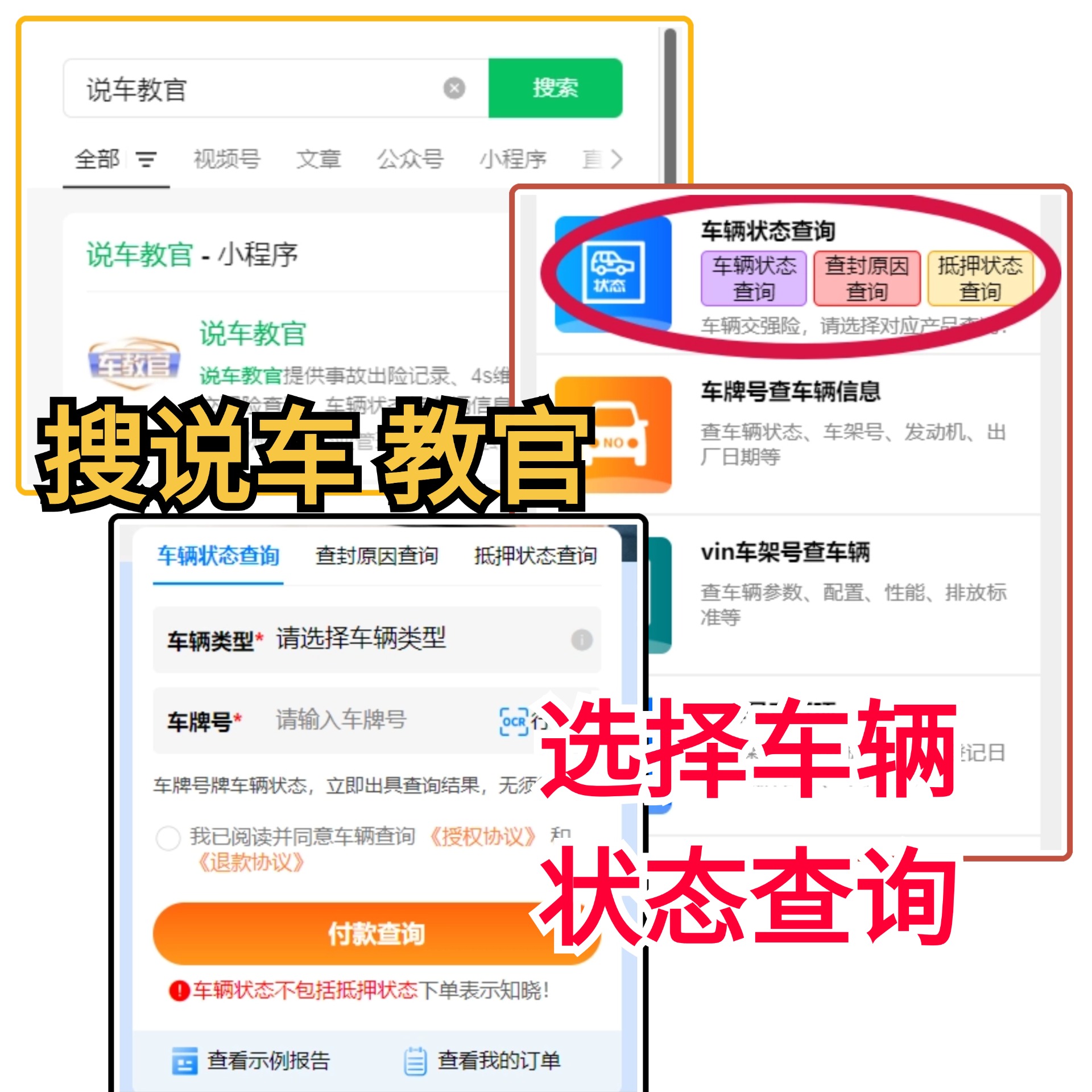
A search allows us to know whether the vehicle is in a state of collateral or seal:
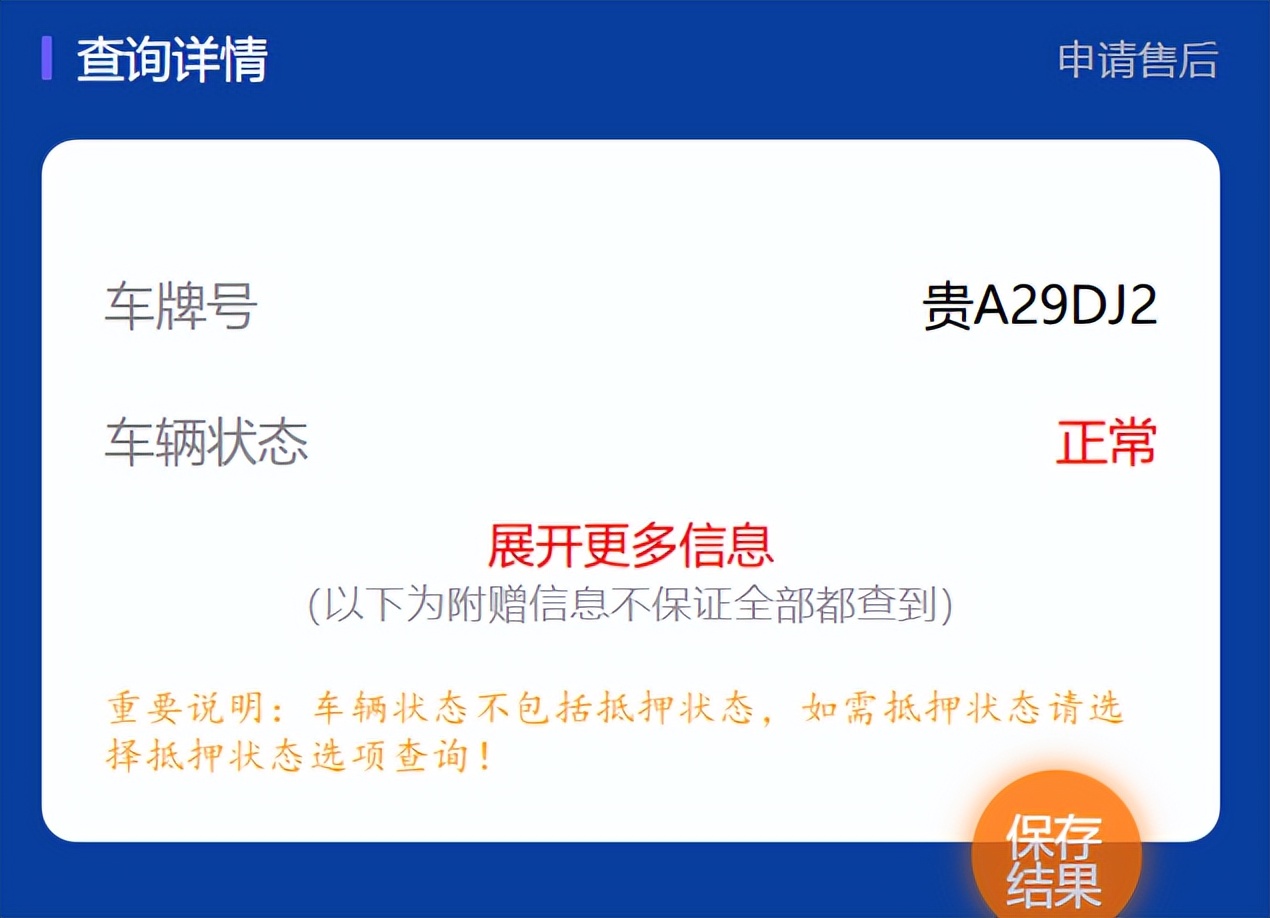
Is it possible to make a transaction when the vehicle is sealed
Transactions are generally not recommended when vehicles are seized, and in most cases such transactions are legally risky。
At the legal level, seizure is a judicial measure, a restriction on vehicles imposed by judicial authorities such as courts to safeguard the interests of creditors or to enforce the relevant legal procedures. During the seizure period, the disposal of ownership of vehicles was restricted. For example, in a debt dispute case, if the vehicle is seized as the debtor's property, this means that the vehicle may be used to repay the debt, at which point the transfer of the vehicle may affect the legitimate interests of creditors。
In the course of actual transactions, there are many problems when vehicles in sealed condition are purchased. First, there is the risk of property rights, where vehicles may be subject to legal enforcement by the courts, where buyers suffer financial losses and where the purchase of vehicles has been paid, it is difficult to obtain legal ownership of the vehicles. The second is the problem of housekeeping, where vehicles in closed condition are usually not properly processed. The vehicle management check the condition of the vehicle at the time of the transfer and the closure of the vehicle does not meet the requirements for the transfer。
There are, however, special circumstances. Vehicles may be traded with the consent of the court and with the assurance that they can be released and that all relevant legal procedures are legally complied with. This situation is complex, however, and requires strict compliance with legal procedures, under the guidance of legal professionals, including a series of measures to settle debts and lift seizures, in order to legalize transactions involving vehicles。
Therefore, in order to avoid unnecessary risk, it is important to carefully check whether the vehicle is in a closed condition and to avoid, to the extent possible, the purchase of the vehicle。









