


When making the metal emblem, the colouring process is a vital link that gives the emblem a unique sense of quality and colour。
Different coloured processes will have different effects and prices will vary, so it is important to understand the differences between each process before customizing the badge to create its own ideal customized emblem. Let's get a quick look at some of the most common badge colours。
The paint badge
The roasted paint badge is a coloured process that solidifies the paint by filling the dent in the metal floor, and then by high-temperature bakery, and has the following characteristics:
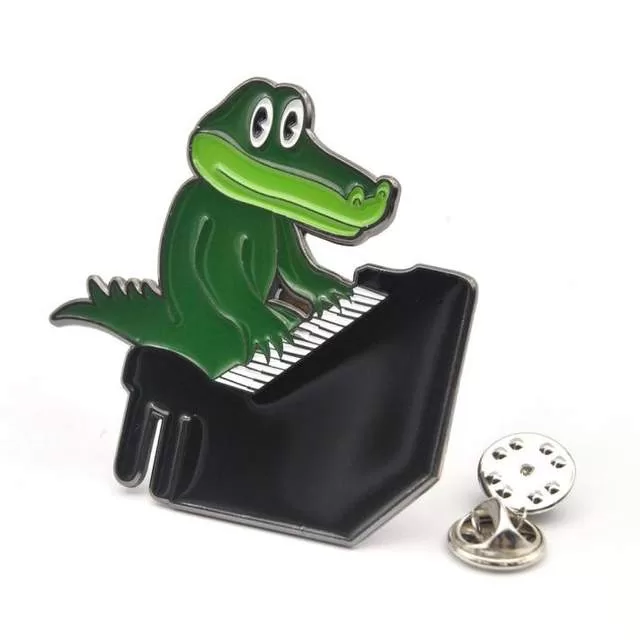
(1) the pattern is clearly condensed, coloured, clear and metal-rich, metal-materials of high quality
(2) material is usually selected for copper, zinc alloy, iron, etc., where zinc alloy, iron is less expensive and of good quality, and is selected for customisation with more badges
(3) the surface can be protected with resin, not only for protective purposes, but also for increasing the glossiness of the emblem, which loses its permutation and may later be yellow。
The paint medallion, which is economical and attractive, is generally used for, inter alia, routine decoration, unit or group activities。
The badge
Also known as the pan-thai blue emblem, which is the most high-quality upper-coloured process in the emblem, with the following characteristics:
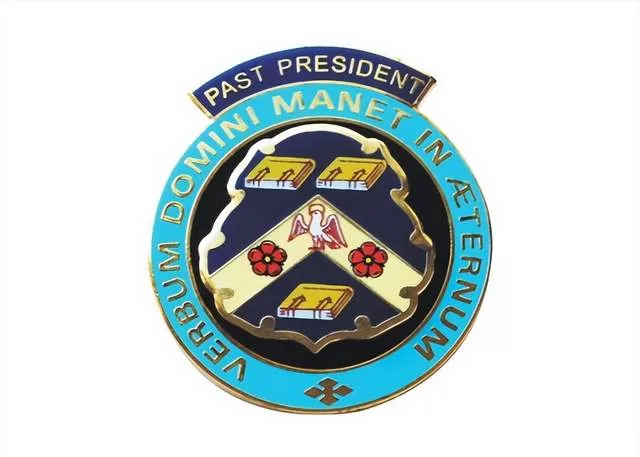
(1) the use of pre-colouring and grinding production methods so that the surface is smooth and smooth, unlike the roasted paint badge, without a clear sense of cavity
(2) colour is stable, non-decorated and very suitable for long-term preservation, but with a relatively single tone and dark hair
(3) the material is hard and stabbing by sharp objects does not leave traces, but does not stand for knock and decline。
Because of the delicate, stable and smooth surface of the emblem, it has a very high effect on people and is often used to create commemorative badges requiring permanent preservation, such as medals of honour, decorations, etc., for state organs, the army, the civil service, etc。
Simulation of the badge
It is more or less similar to the cranium, but, unlike coloured materials, it uses more colored resin paints. In terms of materials, copper, iron, zinc alloy, etc., are generally selected as follows:
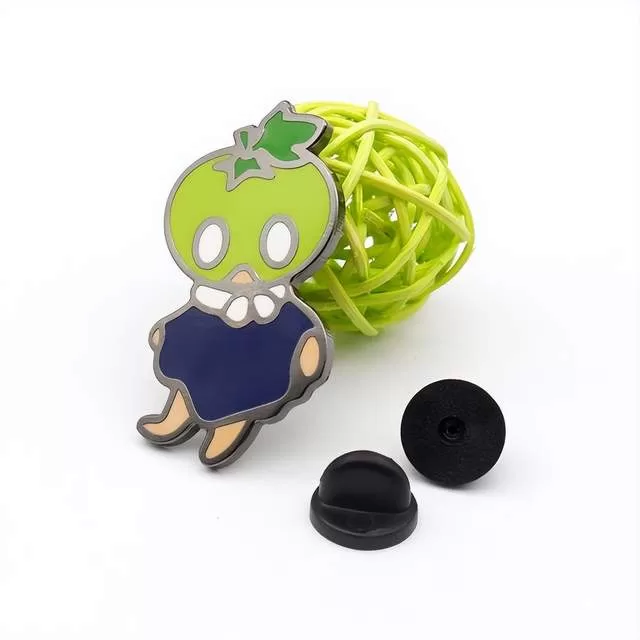
(1) the colour contrasts with the emblems are more luminous and can customize different colors
(2) the varnish is intolerant to high temperature and ultraviolet light, and the colours become yellow when they are unstable
(3) the material is soft and easily punctured into the surface by sharp objects and resistant to falling。
The imitation material is bright and colourful and suitable for the production of high-end collection badges, memorial collections for businesses and associations, etc。
Printed badges
It is also called the dip-dip-dip-dip-dip-dip-dip-dip-dip-dip-dip-dip-dip-dip-dip-dip-dip-dip-dip-dip-dip-dip-dip-dip-dip-dip-dip-dip-dip-dip-dip-dip-dip-dip, as the final process is to drop a layer of resin protection on the face of the badge. Printed in silk webs and tablets, materials generally of stainless steel and copper, as follows:
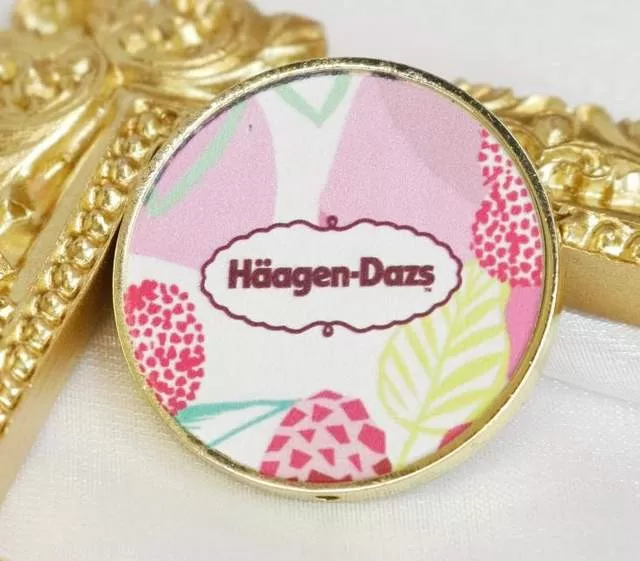
(1) complicated printing of emblems, such as gradients and physical photographs
(2) the surface is flat and not condensed。
Printed badges are suitable for complex patterns, original photo effects or non-metal-colored badges. It is used more generally in advertising, publicity or events。
Each process has its own unique characteristics and advantages and, in selecting the upper colour process, needs to be informed by your desired effectiveness and budget。
In addition to the above effects, the badges are tailored to individual needs in terms of their multi-colored, fluorescent, transparent, etc. If you want to know more about the badge process or the need to customize the badges, you can focus on us









