Electrostatic: a charge resulting from an uneven electronic distribution of the surface of the substance, usually arising from the first contact of the two objects before separation。
Static discharge (esd-electrostatic discharge): transfer of electrostatic charge between objects or surfaces with different static voltages. There are two forms of discharge: exposure, and field shocks。
Paths to electrostatic generation: exposure separation; friction; stripping; fracture; transfer; induction; other: thermal, photovoltaic, voltage。
Exposure to separation charge:
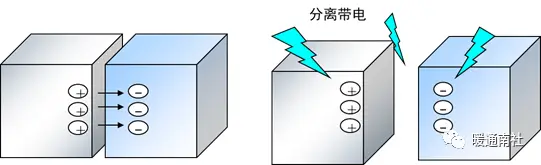
The separation of different substances in contact produces static electricity。
Motion tape:
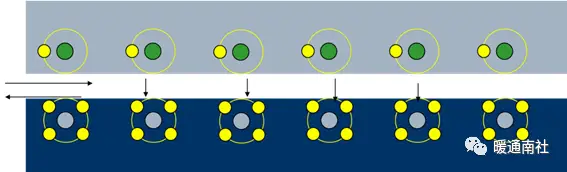
The friction can be seen as a repeated process of contact separation。
Places where static electricity is generated by friction or exposure:
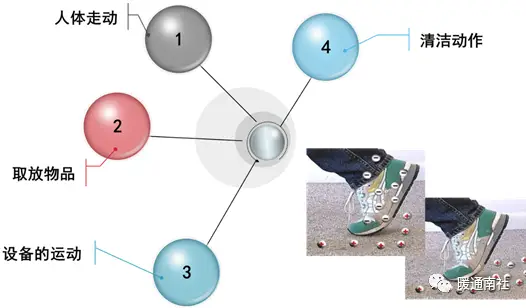
The body moves at work, and the items removed generate static electricity
The motion in the equipment also involves friction or contact separation, and therefore also results in static electricity
Mobile equipment, such as carts, can also generate static electricity through friction。
Factors that determine the friction of voltage:
The degree of exposure, surface balance, exposure pressure, grinding, separation speed, etc. Will influence the size of friction voltage。
The material has different friction voltage。
Differing ambient temperatures also have a significant effect on friction voltage. The more the humidity, the greater the friction voltage。
Strip with electricity:
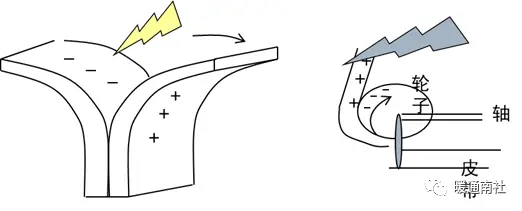
The balance of the original charge of the substance was broken, with the opposite charge on both sides; the stripping of the same substance and of the different substances produced static electricity. For example, non-dry tape, stickers, conveyor belts, etc. Can be stripped of electricity。
Fracking belt electricity:
When the object is fractured, the parts are charged differently。
Transmittance charge:
An object without electricity will be exposed to the same charge through the transfer belt。
Sensory power:
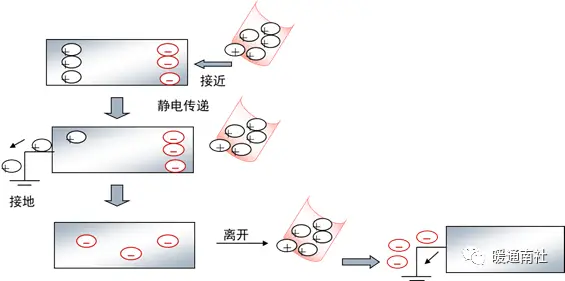
The electric body generates the electric field, where the conductor is wired by the transfer of the charge。
Static sensitivity (esds-electrostatic discharge sensitivity)
Esps (essd-electrostaticsensitive services)
Epa: esd protection area: inhibiting the accumulation of static charge and the generation of static voltage; safe, rapid and effective elimination of generated static charge。
Eca: esd coNtrol area (esd-controlled area)。
Eos: electrostatic over strongth。
Characteristics of static:
High power levels: can reach tens to hundreds of thousands of volts, often operating hundreds to thousands of volts (people are usually less likely to feel static power below 3. 5 kv)。
Low electricity: the static current is mostly of a micro-level (with the exception of cutting-edge instant discharge)。
Short active time: microsecond。
High environmental impact: especially humidity, with increased humidity reducing electrostatic accumulation and decreased electrostatic voltage。
Item
Static
Direct current/exchange power
Phenomena
High voltage/high current, small amount。
Sustained charge/voltage, large power。
Time of discharge
An instant discharge (piss-nass)。
Sustainable discharge
Energy
Usually the energy is small
More energy
Human perception
It is not easy to feel, usually thousands more。
It can be dangerous to humans with more than 36v voltage
Static sequence:
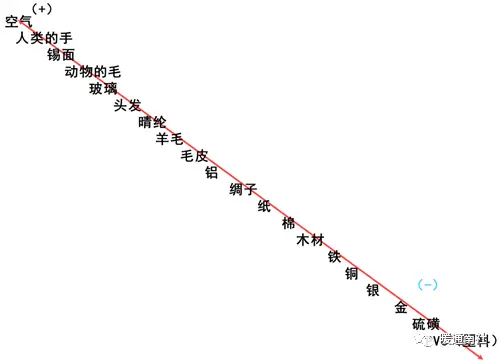
(a) when the two objects are exposed to separation or friction, they are charged with a positive charge in the front and a negative charge in the back; the further away, the higher the friction voltage
Lack of human awareness: different lists vary; circular phenomena; reverse phenomena; application cannot be a hard criterion。
Typical industrial static discharge characteristics:
Power discharge time ≈ nanoseconds ~ microseconds (∝rc)
Emission flow ≈ (i=q/t)
Peak power ≈ kw (∝iorv)
High frequency field generated ≈1 mhz ~1ghz
Generated electrons = l (di/dt)
Electrostatic damage:
Electromagnetic piercing: the voltage around the semiconductor oxidation layer exceeds that of the oxidation media, the thinning of the electrostatic layer。
Thermal piercing: thermal overheating and melting of parts of the apparatus from the esd incident, which causes damage to units by overheating and short circuits; thermal energy is generated by discharge currents, which are proportional to the level of discharge currents。
Esd is capable of causing electric over-resilient (eos), metal components of melting units。
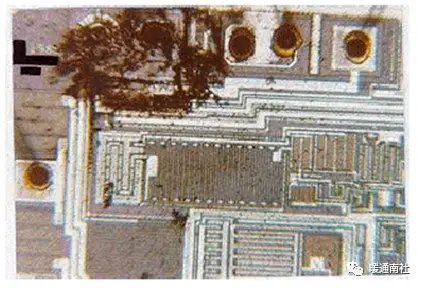
Eos has the following characteristics: large currents of longer duration; large area damage to the device; damage is visible。
Semiconductors are the most vulnerable to electrostatic damage..
Common damages include: oxidation; overheating of the interface; metal melting; and above mixing patterns。
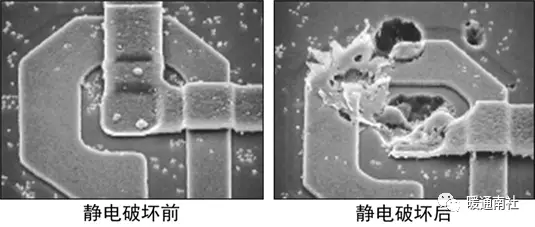
Electrical properties of materials:
Insulation is a problem because electrostatics can generate and accumulate on it. It eventually causes electroshock discharge or sensor damage。
It could also be a problem. It's because of the rapid discharge of the conductor and the external perception
In the esd area, materials are divided into insulation, conductor, and electrostatic depleting materials。
Insulation:
Restrictions on the free movement of electronics; large cytological resistance 1 x 10¹¹ times; very few electronics move in objects; they are able to maintain large amounts of charge; and positive and negative charge can be maintained in different places on the same object。
Insulation can be dispersed only through the environment (ion winders, electrostatic fluids, etc.) and not through their own surfaces。
Note: cardboards and wood are shown to be insulated at higher humidity due to electrostatic and dispersible intake and lower humidity (usually less than 50%)。
Lead:
Electronics flow on the surface and in the body of the conductor; physical resistance < 1 x 10⁴ times; if connected to the ground, the charge is neutralized; the charge is accumulated on the unsite conductor; and the charge on the conductor is released quickly。
Human body:
It is most likely to produce static electricity; it can store charge over the ground; it is common for people to generate static electricity when moving; it is common for 15 kv to generate static electricity; and it is possible to generate 35 kv to generate static electricity, but it is not common。
Silicon-depleted materials:
Electronics can move freely on the surface of materials, but the speed of movement is controlled by electrical resistance
The charge will be released slowly if it's located. Drop it
1 x 10⁴ < 1 x 10¹⁰ physical resistance
Electron shield bags: all electrostatic discharge patterns are protected using multilayer multimaterial technology。
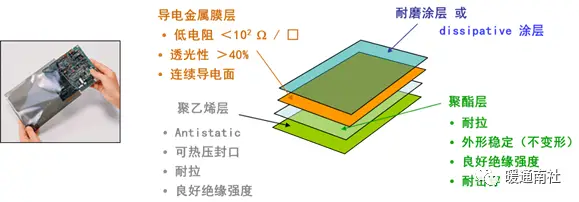
Basic technical means of esd protection:
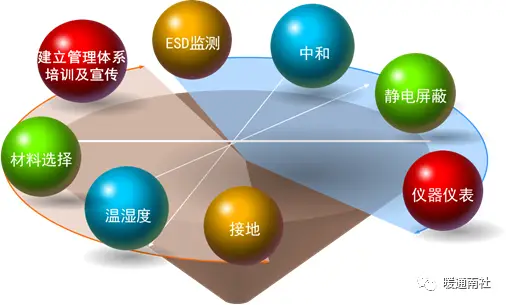
Equivalent bits; grounding; neutralization; resistance control; static field shielding; moisture control; material selection and process control to avoid the generation of electrostatics; labelling of sensitive devices; and protection of circuits and structural designs to improve electrostatic resistance。
1. Level:
Rationale: to keep all surfaces that may be exposed to sensitive devices at an equal level and to avoid static discharge。
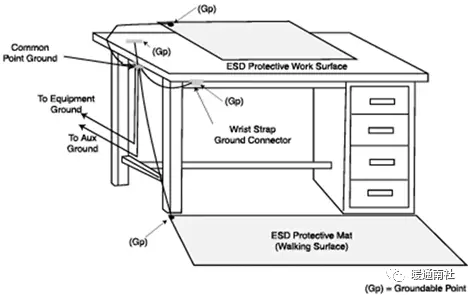
Practice: all objects likely to be in contact are used and connected (common connection points)。
2. Location:
Rationale: the discharge of electrostatic power to the ground by means of a wire or a grounding device。
Practices:
Establishment of electrostatic systems; use of electrostatic or electrostatic deplete materials and access to esd; humans wearing wristbands and access to esd; humans wearing electrostatic shoes。
3. Moderate (ionation):
Rationale: ionized air produces positive and negative ion, neutral and static charge。
Object of use: too slow for insulation or electrostatic discharge。
Practice: ion wind machine, ion wind gun, ion rod。
4. Barrier control:
Rationale: excessive electrostatic discharge or discharge through electrical resistance control while ensuring human safety。
Practice: use of electrostatic depletion materials, connection to safe current limit electrical resistance。
5. Static shield:
Rationale: blocking of electrical fields and blocking of electrical discharge through sensitive devices。
Practice: use of electrostatic shielding materials and shielding containers, insulation materials and containment structures。
6. Humidity control
Rationale: increased humidity reduces the generation of electrostatic power and lowers friction voltage。
Practice: control of humidity between 30 and 70 per cent。
7. Material selection and process control to avoid static electricity generation
Fundamentals: reduction of electrostatic power through the use of materials that do not produce or produce electrostatic power; surface cleanness of materials, reduction of electrostatic power; application of electrostatic sequences。
Practice: use of anti-static materials and use of anti-static agents。
Technical basis for esd control:
1. To stop the generation of static electricity
2. Protection in products by design
3. Elimination of static electricity generation
4. Control of discharge routes and speed。
Environmental control under esd:
The manufacturing and maintenance areas are high-risk areas for electrostatic power (defined as level i epa):
Temperature: 20~28°c; relative humidity (rh): 45~75%。
Temperature in other electrostatic working areas generally requires:
Temperature: 20-30°c; relative humidity (rh): 30-30%。
Note: level i epa should keep static voltage in the area below 100 v。
Esd control - earth system:
Grounding is a key measure for electrostatic discharge, and there must be an independent and reliable electrostatic system within the epa that generates static electricity in order to be safe and effective and avoid its accumulation. The electrostatic site must have a safe and reliable static terminal (ceg), and all human beings, workstations, mattresses, tools, etc. Must be connected in a manner that connects to the static terminal。
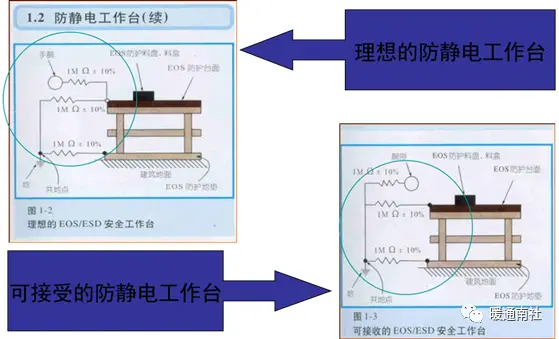
All instruments, ac tools, metal and so on on the epa station must be connected to a public connection, which requires a series of 1 m of electrical resistance (or equivalent of 1 m of electrical resistance) to the local system, such as human wristbands, static radio mats, electrostatic pads, conductors and static-depleted materials。
The facility's connection lines are suggested to be yellow green or yellow, and the connection points should be rigidly connected by screws, welding, double-wire interlocking, ensuring that the connection points are reliable, with small electrical resistance, and prohibiting the use of unreliable connections such as crocodile clamps, interconnections, etc。
Esd control - grounding:
The surface line of the three-phase-five power supply system, which introduces zero-power lines, is being used as a separate ground line for static power connections, which is described as “one point to induce electrical resistance isolation”. The main power transformer should have less than four ground-to-ground resistances. As shown in the figure:
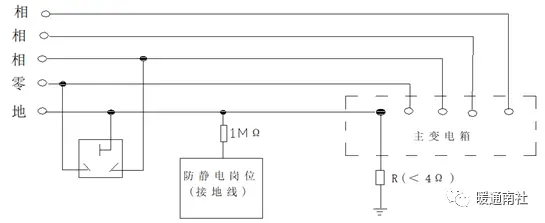
Esd control - static station:
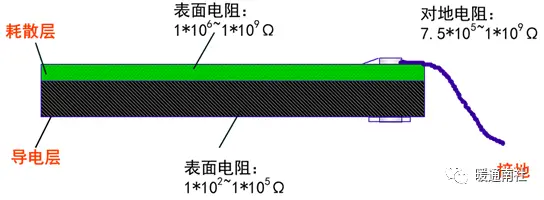
Radio cushions should be not less than the size of the working table。
All static radio mats shall be laid on the front (i. E. On the static side) and on the back (i. E. On the steering side)。
The electrostatic surface line connection end shall be pressed under the frontal pressure of the static radio pad/matr so that it passes through the pad and is secured to ensure good electrical exposure。
Multiple static workstations cannot be connected to each other. They should be connected to the public ones in an integrated manner, and each pad (ground mat) must be accompanied by only one static ground line。
When an insulated oil, resin and other stains are attached to a static radio mat, neutral washing agents (alcohol) or anti-static agents should be used for cleaning in a timely manner。
Esd control - personnel control:
The movement and operation of the human body is the main source of electrostatic power, and any person entering or in contact (including direct or indirect exposure) with esd (static sensitive devices) must strictly follow the norms of electrostatic protection。
Access to electrostatic education and training is a basic requirement for every employee and one of the fundamental ways and means of reducing electrostatic hazards。
All personnel must wear electrostatic uniforms and electrostatic shoes before entering the epa, and those who have issued a job hat must also wear a job hat (cruising their hair to the worker's hat and requiring their hair not to be exposed). If there are no static work shoes, they must be worn; outside the work clothes are strictly forbidden to carry metal and plastic items other than work cards and pens; replacements should take place at a designated location and are not permitted to wear or remove work clothes at the production site。
In case of static work clothes, work shoes, etc., there is a one/week change of frequency recommended, and employees wear clothing, shoes, and hats without damage or defilement。
All operatives and other persons exposed to products entering the electrostatic zone shall test the distribution of electrostatic wristbands with a wristband test and record the test before taking up duty; before entering the production area, the three-barrel machine shall be tested for human integrated electrical resistance。
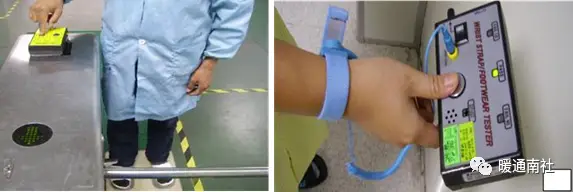
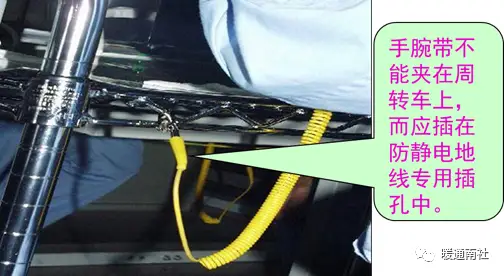
The esd and components shall be exposed to the electrostatic wristband, which shall be inserted into the fragrance hole, and shall be in good contact with the skin, and shall not be coated with skin, such as skin oil, anti-frozen oil, etc。
It is strictly forbidden to carry metal items other than work cards and pens outside of the uniform, and not to put a shoe pad on a static shoe。
When electrostatic gloves or cotton gloves are dirty, they should be cleaned up in a timely manner, usually for a period of one week, up to a maximum of six months in less defiled settings, with all delays being replaced by old ones。
Every day, esd takes 10 steps:
Test and record wristbands and human resistance。
2. All esd sensitive devices and single panels in the inspection work area are placed in static circuit tools or packaging。
3. Determines that there is no static power source in the static circuits or packagings within the working area。
4. Confirm that all electrostatic tools in the work area are marked with esd。
5. Identification of static power sources in the work area, e. G. Non-static plastic bags, non-static bubble film, rubber, etc., which are remote from esd sensitive devices and sensitive panels (at least 30cm)。
6. Confirm that your workstation pads are static radio pads and tools are static。
7 tools such as detergents, solvents, sprayers, etc. On your workstation have been identified for use by epa area duty holders。
8. Confirm that your workstations, equipment and instruments within your area of work are safe and secure, with particular attention to those that are frequently moved。
Persons who have not passed the test are not allowed to enter the epa-controlled area. An esd sensitive device and single plate shall be operated with a static wristband。
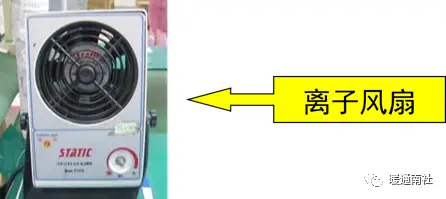
10. If your workstation is equipped with an ion winder, it should be opened at work and its location ensured。
Esd control - people control:
Esd control - equipment/instruments/tools/works:
All equipment, instruments, tools and assembly in the electrostatic area shall implement electrostatic protective measures, such as exposure to or proximity to electrostatic sensitive devices (essd) as far as possible, and in exceptional circumstances non-static materials (surface resistance rs=1. 0x1011 times) shall be used to effectively eliminate, suppress or release electrostatic electricity, using other protective measures, such as antistatic agents, coatings, etc。
Equipment, instruments, fittings, tools with metal casings using high-voltage power sources must select a three-chip power plug and ensure that they are reliably connected to the protected surface to enable the metal casings of the equipment, instruments, fittings, tools to automatically connect to the protected ground。
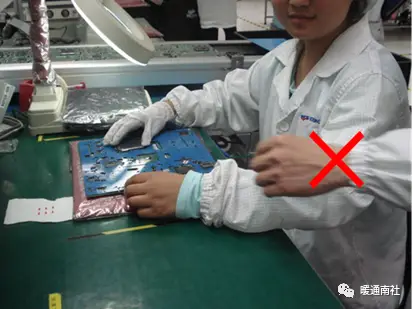
(b) clothes: buttons to ensure cover for internal clothing; cuffs are kept loose and internal clothing is avoided。
Esd control - equipment:
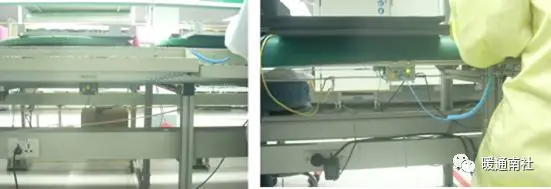
Landing equipment, such as smt, bottling welding machines, water flow lines, etc., should be directly linked to electrically protected areas。
Equipment-exposed esd components and motion friction components close to esd shall be made from static or conductor materials and shall ensure reliable ground access to them, which shall prohibit the use of non-static materials. The conductor parts on the equipment shall be hard-lined。
The surface of the equipment is made available for static radio pads and soft flooring as required, provided that they do not affect the proper operation of the equipment or pose other hazards。
Esd control - instruments:
The test instruments used in the electrostatic zone should be electrostatic, their power lines must be electrically protected and connected to electrically protected sites through outlets, and their casings need to be directly connected to electrically protected sites by means of a guidance line to implement enhanced grounding measures。
The test instrumentation system must have a public connection location and be connected to ensure the location of electrical places, such as instruments (no serial connection)。
Esd control - tools:
Electrical, gas-related tools such as electrostatic branded iron, electrostatic vacuum cleaners, etc., should be placed first before use. The metal casings of electrostatic iron shall be protected, the head of the iron shall have a hard-line route, the head of the iron shall have a ground resistance request <1. 0 times, and due to high temperature oxidation of the head of the iron shall be acceptable at daily tests <20 times。
Cleaning panels and product brushes shall be made of static hairbrushes with material resistance of 1. 0 x 104 times r < 1. 0 x 1011 times, and friction voltage of less than 100 v or static voltage of less than 100 v at less than 2 seconds. Common plastic brushes are prohibited. Cleaning should be carried with static wristbands。
The parts of the tool that need to be exposed to essd should avoid the use of conductors and insulation materials, and tools that are exposed to electrostatic sensitive elements, such as ic liftings, stings, sorbents, etc., must be electrostatic materials that are not easily capable of generating electrostatic, e. G., and, if non-static materials are selected for special reasons, should be used for electrostatic induct and treatment。
Esd control - packaging:
The revolving packaging material for electrostatic sensitive devices and single plates shall be electrostatic material, with the main revolving packagings being electrostatic shield bags, electrostatic bags, plastic suction boxes, electrostatic boxes, electrostatic foams, electrostatic boxes and electrostatic circuit vehicles。
The main means of packing on single boards are:
A. Anti-static shield bags + pink balloon bags. The principle is that the shield bag meets the requirements of a single plate at a width of at least 10 cm longer than a single plate。
B. Suction boxes + electrostatic filling material (static electrical bands, electrostatic foams (optional) + paper boxes。
Esd control - packaging operations:
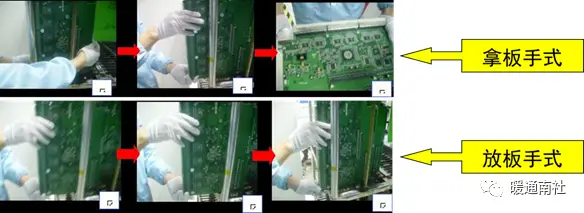
Prior to packing operations, check whether the necessary electrostatic measures, such as the wearing of electrostatic work clothes, electrostatic shoes, electrostatic wristbands or electrostatic gloves, fingertips, etc., have been taken。
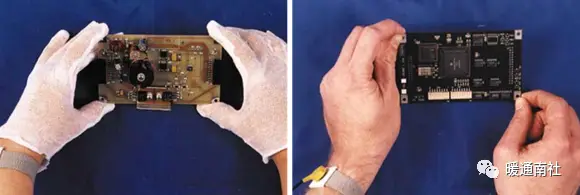
The correct method of holding is shown in the figure:
Operating guide for shield bags:
Checking the integrity of the internal and external static shield bag and the seismic jacket (air bubble bag)
Electro-sensitive devices or components are placed in a specific specification shield bag (suction box); if trans-shipment is to take place, the shield is to be sealed in the mouth with a static tape, and the absorbent box is to be bound by its rod. Note:
A. The static shield bag, if not severely damaged, should be recycled for recycling
B. If a static bag shield is damaged more severely, such as piercing, cracking, compound separation, etc., it shall cease recycling and be scrapped。
C. Each electrostatic shield bag shall, in principle, contain only one single plate component and, in exceptional circumstances, shall be separated from each other by an inner layer or other electrostatic material, without direct contact and mixing。
Esd control - storage/swing/transport:
Esps and their components must be stored, rotated and transported in electrostatic packaging, i. E. In faraday cage packaging to avoid electrostatic damage. Direct operations such as the unpacking of essd during storage, rotation and transport can only be carried out in an electrostatic working environment within the epa。
The electrostatic sensitive devices are in the process of being rotated and are not to be located close to a stationary, electric, magnetic or radiation field, such as above a computer monitor。
It is prohibited to package electrostatic sensitive devices and their components with insulation materials, such as stretching membrane, ordinary tape tape, which are capable of generating high-pressure static electricity. If necessary, select or design other aids or materials that are not easily electrostatic, etc., for use in the prevention of fallout of these materials。
Esps and their components shall not be stacked together for storage and rotation at any time。
The trans-shipment of electrostatic sensitive equipment and its components shall be carried lightly and are strictly prohibited from wrestling, collision, severe friction or falling。
Esps and their components shall not be placed directly on pallets or in transformers or vehicles that do not have electrostatic functions, and shall be stored in static bags or static circuits。
Esps are kept as packaged as far as possible and are strictly prohibited from being removed at will。
The workstation for bulk inventory and distribution of electrostatic sensitive devices must be equipped with static radio mats and reliably connected. Operators should wear electrostatic gloves, fingertips or have cord-resistant electrostatic wristbands into the electrostatic system。
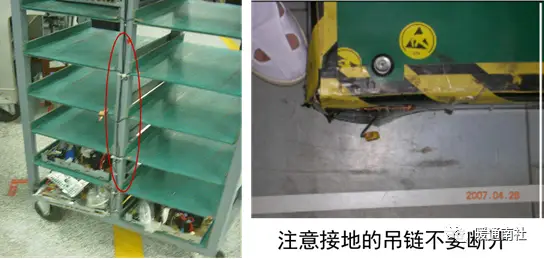
Keep the tools clean. In the case of visible dust or stains, use a neutral washing agent to wash; a metal frame at the bottom of the swing vehicle should be welded into a metal chain that is naturally leaning and ensures reliable ground touch。
When ic-type electrostatic sensitive devices are passed between two packagings, it is advisable to connect the static-proof capacitors directly, e. G. By extending the tube directly into the ic-protective shield and then pouring out the ic or two ic-ducted transpositions, and avoiding hand contact with ic-sensitive devices, and also to minimize the number of direct contact touching electrostatic sensitive devices when wearing static gloves or finger-sets。
Workspace static power source protection:
Note that electrostatic insulation materials may be produced: general plastic bags, file bags, foams, etc.; plastic stools, pens, keyboards, mouse; crt monitors。
Paper: it may or may not be, so the esd coordinator should first evaluate
In some cases, black packaging may also be insulation。
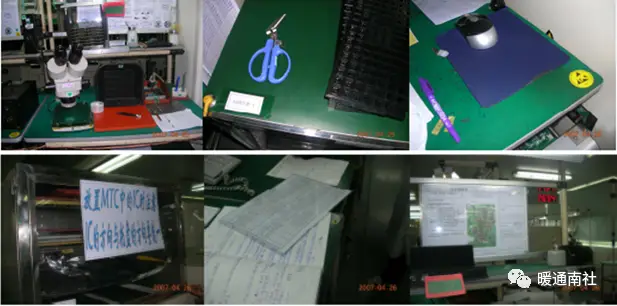
Examples of non-compliance with esd control norms:
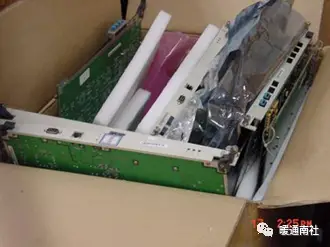
This is a common phenomenon: a single sheet with an electrostatic shield bag and an empty sheet, which will then contain a white foam that is not electrostatic, and which will be vertical, will not only cause electrostatic damage to the device, but will also easily touch some of it。
The use of single-handed panels is a serious problem, with high static voltage on the human body, which can easily be damaged and must be accompanied by static gloves and wristbands。
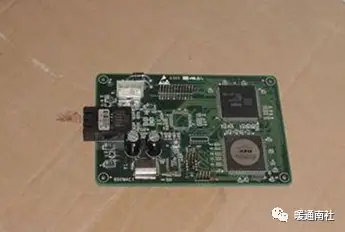
Since paper is a special material, it is only electrostatic waste when it is wet in a certain range, single plates cannot be placed naked on a box, let alone on a tape on a box。
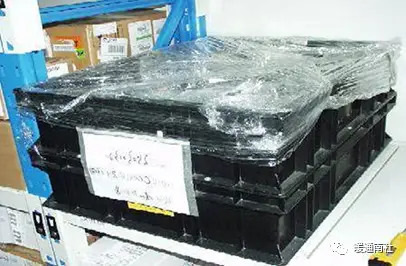
An electrostatic wheelbox with a single plate cannot be attached directly to a stretching film。
Note: the entanglement of the stretching membrane produces tens of thousands of volts or even hundreds of thousands of volts of static electricity。
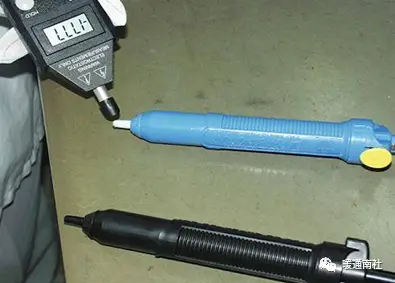
Non-static suction guns cannot be used. Direct damage to metaware。
Single panels without static packaging cannot be stacked at will。
Hazard: electrostatic damage; damage to device。
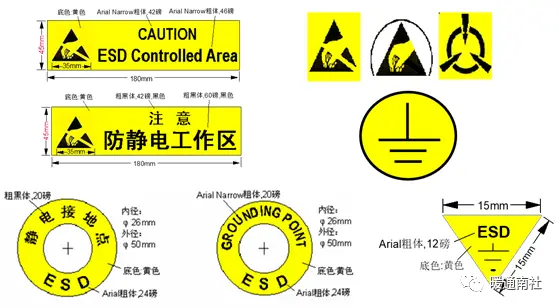
Use of electrostatic markers:
Esp is a long-term system project, and failure or omission at any stage will lead to failure or even catastrophic consequences。