


Of course, the following are more detailed methods and techniques for mushroom cultivation:
1. Choice of cultivation season
Spring cultivation usually takes place between october and november of the previous year, while autumn planting takes place between august and september. The temperature requirements of mushrooms are taken into account when choosing the planting season。
Preparation and production of fungus bags
Material selection: wood crumbs (80-85%), gills (15-20%), plaster powder (1-2%)。
Combination of the above-mentioned raw materials, adjusted for water temperature, with a general dryer ratio of about 0. 8 to 0. 9。
Bags: use a specialized fungus bag to fill a mixed culture and seal it tight。
3. Temperature management
Spectrum hair: the highest temperature is 22-26°c。
Vibration growth: temperature range 5-24°c, suitable for 24-27°c。
Sub-entity development: appropriate temperature 5-24°c, most suitable for 8-16°c。
4. Water and moisture control
The suitable water content is 60-70 per cent in cultures and 32-40 per cent in mushrooms。
During the formation of the sub-entity, the amount of shroom wood is maintained at around 60 per cent and air moisture at 80-90 per cent。
Nutrition needs
The main nutrient components include carbohydrates, nitrogen-containing compounds, inorganic salt and vitamins。
The ratio of carbon sources to nitrogen sources is 25-40:1 at nutritional growth。
6. Air and ventilation
The mushrooms require sufficient fresh air to ensure normal growth and the culture environment should not be too closed。
7. Light demand
The separation and growth of mushrooms requires light, but not during the growth phase of the fungus。
The appropriate light strength is 40-70-lx, and blue light inhibits the growth of mycelitis but facilitates foundation formation。
8. Alkylity reconciliation
Phs 5-6 for culture fluids are suitable for myctic silk growth, while phs 3. 5-4. 5 for sub-entity formation and development。
9. Vaccination techniques
Vaccination is carried out at a time when the temperature of the bag is below 30°c and the choice is made at night or in the dark。
10. Later management
After vaccination, the fungus should be placed in an environment of suitable temperature, good ventilation and moderate light。
Periodic inspection of the bag and removal of poorly grown mushrooms to ensure that the nutrients are concentrated in healthy mushrooms。
11. Sphinx management
The mushroom shed should choose a flat and well-ventilated location, with temperature differentials above 10°c and about 85% humidity。
12. Management of hot seasons
The summer management focus is on reducing the water content of the rods and the temperature of the sheds, which can be achieved through measures such as thickening of the sunnets and improved ventilation。
13. Varieties selection and culture formulations
Choose mushroom varieties suitable for the local climate, such as `808', `9015', etc。
Nutrient formulations need to be adapted flexibly to local resources, but must be tested with mushrooms。
14. Sterilization and disinfection
The bacterium bags are sterilized using the usual pressure vapour sterilisation method to ensure complete sterilization。
15. Conversion management
Dust colouring is a key step in high-temperature mushroom cultivation and requires the selection and microbicide of suitable dust materials。
16. Pest management
The kits are regularly checked to see if there are pests and pests and measures are taken in a timely manner。
17. Picking and reprocessing
Growing mushrooms should be picked in time to ensure quality and taste。
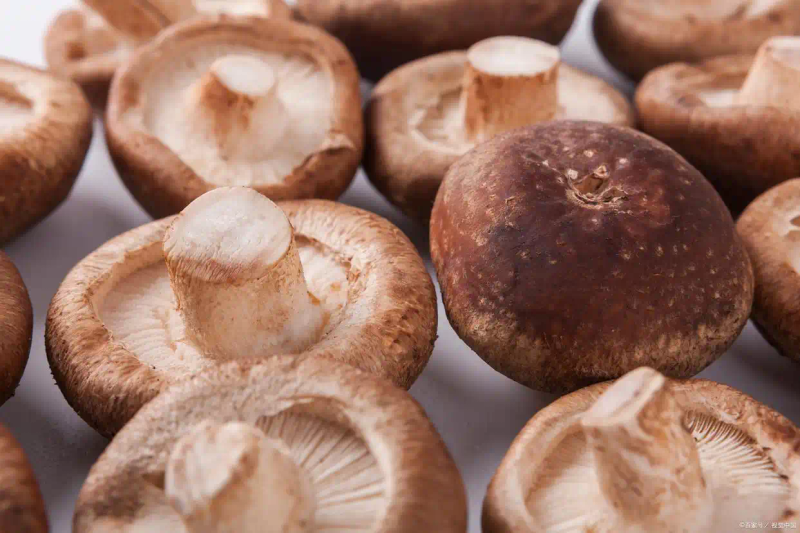
Through these detailed steps and attention, the production and quality of mushrooms can be effectively improved. It is important to adapt management measures flexibly to the actual situation to ensure that mushrooms grow in the best possible environment。









