


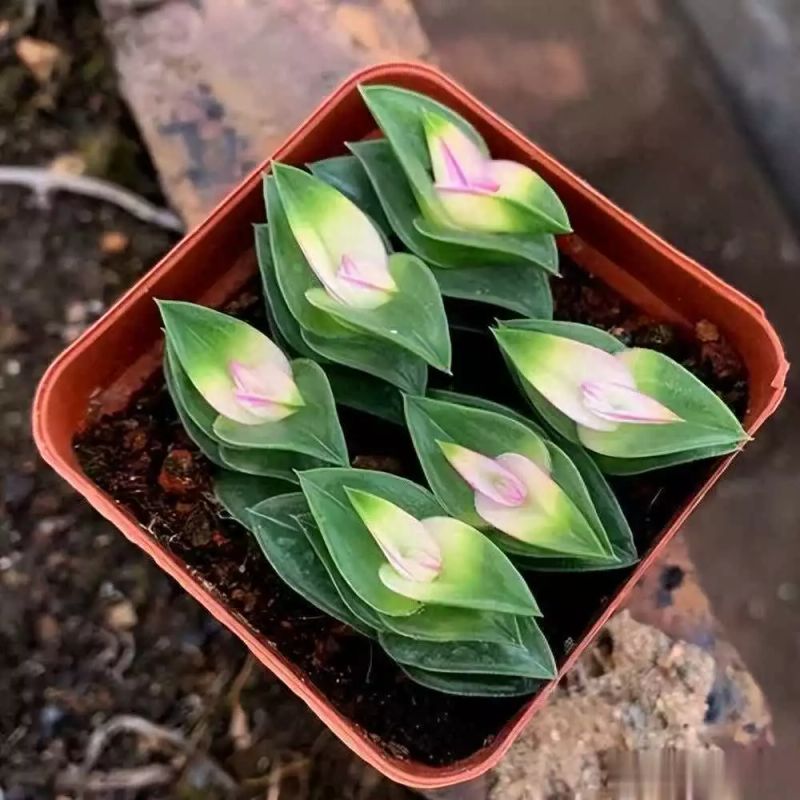
Many people are attracted to its unique appearance when they first see it. Its leaves are folded and lined into fan formations. A heavy fan, full of leaves, with a pale twilight in the green. Bad fan, thin blades, and easy to fall down. It's not hard to hit a fan, but if you've got the seven key skills, the new guy can take it easy。

Middle-aged households: detailed analysis of the cost of installation of 10 kw photovoltaics
It's from the arid zone of northern mexico. It was born to love warm and dry environments, fearing damp and cold. Its leaves and stem can store large amounts of moisture. This means that it is very drought-resistant and that even half a month without water will not easily die. A lot of freshmen had their fans killed because the water was too hard。
The first trick is to give it enough light. Heavy fan likes the sun. Give it at least four hours or more per day. With plenty of heavy fans, the leaves will become thicker and more colourful. If the light is not enough, the big fan will appear. Its stem becomes thin and long, and the distance between the leaves increases. The whole plant looks loose. It doesn't look good. Summer at noon is too strong for you to give it proper shade. Otherwise, its leaves will be sunburned, with ugly tan. Three seasons of spring, autumn and winter, you can put it in the best place in the sun and let it shine。
The second technique is to control the frequency of watering. It's a big fan of drought and flooding. You have to wait until the soil is completely dry. Water should be poured out until there is water flowing from the bottom of the basin. Don't pour half the water, and don't let the soil accumulate. Spring and fall is the boom season with a big fan. This time you can water every 7 to 10 days. When summer temperatures exceed 30 degrees, the heavy fan will be in semi-sleep. This time you're going to have to water it down every 15 to 20 days on it. When winter temperatures are below 10 degrees, the heavy fan will completely stop growing. At this point, you have to keep the water under strict control, even without water for the entire winter. When you water, be careful not to pour water into the centre of the leaf. It's easy to cause leaves to rot。
The third technique is to choose the right soil. A big fan likes a smoother, well drained soil. You can mix it with peat, pearl rock and leeches at a ratio of 2:1:1. The soil is so breathtaking that it is not easy to accumulate water. You can also add a small amount of slow decomposition to the soil as a base. Don't grow a fan with a normal garden. It's easy to tie up and it's bad for drainage. It's easy to cause rotten roots。
The fourth technique is to control the temperature. The most appropriate growth temperature for a heavy fan is 15 to 25 degrees. The maximum temperature it can endure is 35 degrees. When summer temperatures exceed 35 degrees, you have to move it to a cooler place. At the same time, there is a need to improve ventilation and reduce the temperature around it. It's hard to fan the cold. When winter temperatures are below 5 degrees, it is prone to freezing. So you have to move it to the warmth of the house in winter. It is best to keep indoor temperatures above 10 degrees。
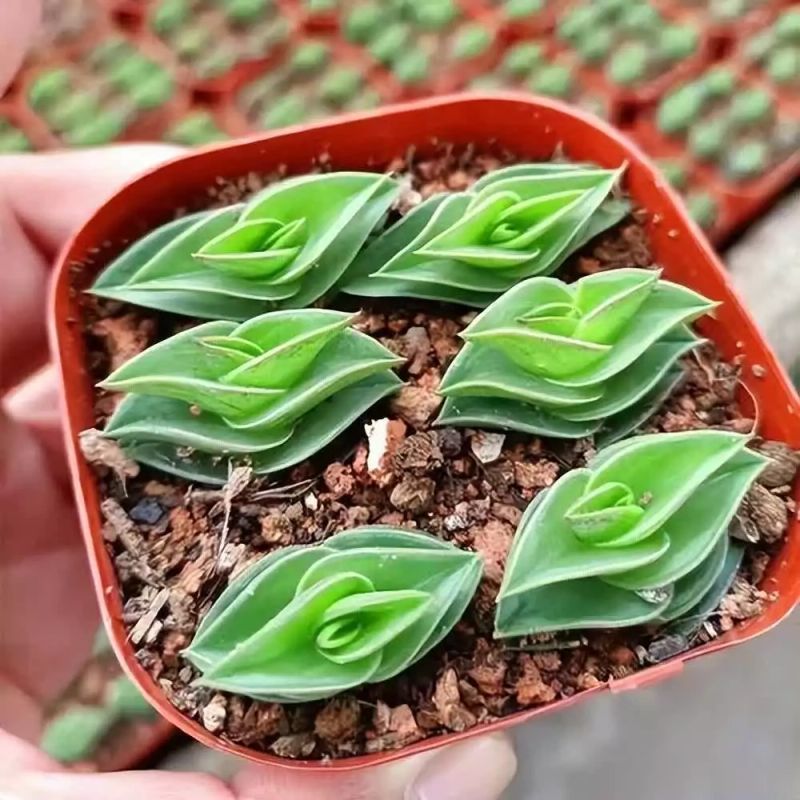
The fifth technique is rational fertilization. Heavy fan demand for fertilizer is low. You don't have to fertilizer it often. In spring and autumn, you can give it every other month a thin fertilizer. Fertilizers can choose more meat-specific fats. Be careful not to spill the fertilizer on the blades. It's easy to burn leaves. Summer and winter, heavy fan hibernation. This time you have to stop fertilizing. Otherwise it'll lead to the burning of roots。
The sixth technique is to trim and change in time. Heavy fan growth is faster. A year or two, and it'll grow big. You can trim it right this time. Cuts out long branches and too thick leaves. This will give the plant a much more ventilated light, and it will also contribute to the growth of more sprouts. A heavy fan usually changes basins every 1 to 2 years. It's best to change the basin at spring or fall. When you change the basin, you can trim the roots. Cut the rotting roots and the long mustache. Then new soil and replant。
The seventh technique is pest control. There are fewer heavy fan pests. Aphids and root diseases are common. The aphids are mainly a danger to the small stalks and leaves of the heavy fan. You can rub alcohol with a cotton tag and wipe the aphids off. If there are more aphids, you can spray diluted aphid solution. The root causes of the disease are mainly due to overwatering. If you find a big fan, take it out of the basin in time. Cut the rotting part and then rub the polymix powder on the wound. Put it in a cold, ventilated place and dry the wounds before replanting them。
It's easy to grow with a big fan. It's most common to do this. You can cut a healthy branch about 5 to 10 centimeters. Put the branches in a cool place to dry the wounds. It is then inserted into the wet soil. About 10 to 15 days, it'll take root. You can also use the blade plug. Remove a healthy and full leaf and flatten it on the moist soil. About 20 days, it'll grow small buds。

New options for retirement: container housing, comfortable and practical
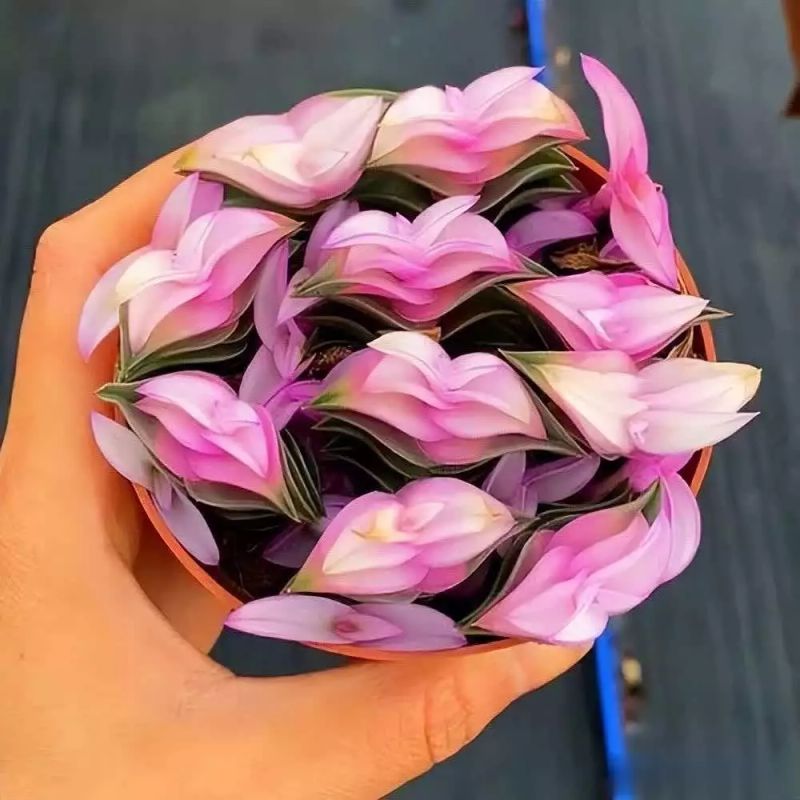
Heavy fanning is not only cute in appearance, but also simple maintenance. It doesn't take you much time and energy. And as long as you've got the seven key skills, you've got enough sunlight, you've got water, you've got it. It's gonna be a layered "little fan" in return for your care。









