


How many times do you charge the charge? The truth behind the bill is a lot of talk
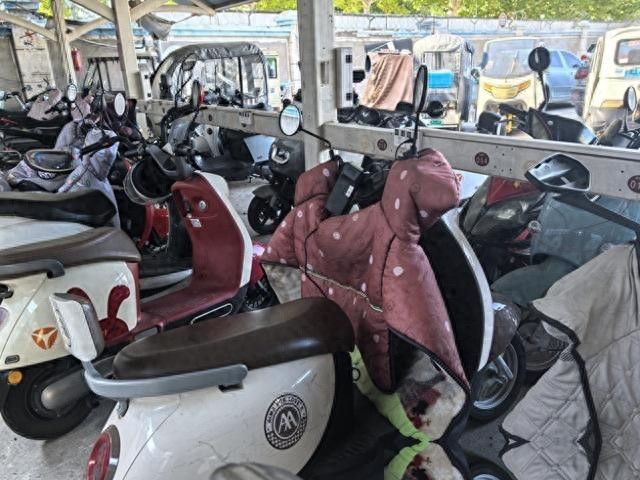
You think charging electric cars is buying electricity? It's a big mistake! You're actually paying for “site costs” and “depreciation of equipment”。
In recent days, mr. Jenan lee's charge bill has given rise to hot talk: 1. 01 degrees of electricity and $3. 2 less in his wallet. Looking at the details, the real electricity cost is only $0. 56, and the remaining $2. 64 is all called “service fees”. Without exception, mr. Zhang of tianjin has been subjected to a “day price” fee of 0. 54 degrees of electricity, which is only 28 cents, while the cost of the service is as high as one fourth, or five times the cost of electricity. These figures tear out an unconventional truth: electricity is not expensive per se, and it's the "hidden assassin" — the service fee — that's not usually looked at。
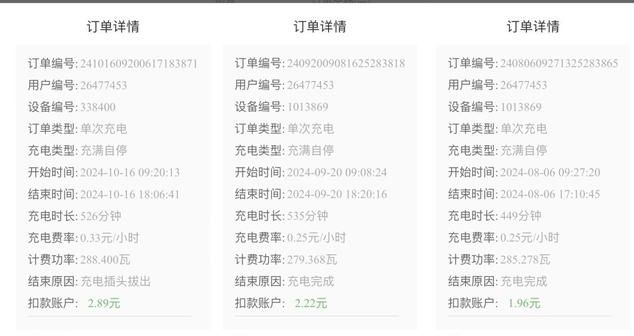
The secret in the bill: the electricity bill is dead, the service fee is alive
To understand the bill, the bill's skeleton had to be broken。
The total amount jumped on the screen of the phone is actually a combination of two puzzles: one for electricity and the other for services. The nature of the two is so different. Electricity, which is the bottom line that the government is watching, regardless of how many hands have been turned, the charging stakes in the neighbourhood must be collected at a cost to the population, and no one dares to increase the price. So the phrase "not even fifty cents at one time" is fine。
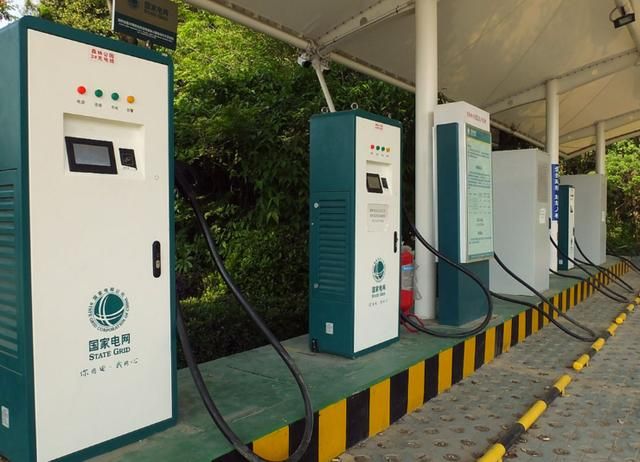
The problem is the service charge. It's a market-regulated price. It's up to the operator. A lot of people turn to the operator on the bill, but that's two things. Operators do make money, but their books are not empty。
Cost constraints: the two-wheeler's slowness became a price-adder
Why is the service cost higher than electricity? It has to start with the physical properties of electric bikes。
A lot of people think a charger is a plug. How much can it cost? Big mistake. It is clear from the policy document that the cost of services is covered by rental of premises, depreciation of equipment, manual inspections, insurance costs and expenses. Worse still, electric bicycles have a patheticly low charge power, usually just over 100 watts, and want to fill up for a large part of the time。
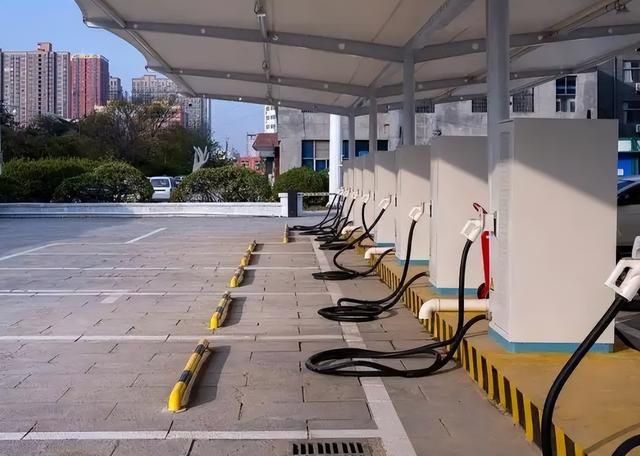
This slowness becomes a major problem. A plug-in does not serve a few vehicles a day, and the rate of turning over is extremely low. Fixed costs cannot be spread as quickly as cars are charged, and ultimately they can be added to the unit price of each degree of electricity. The slow pace of the two wheels is the underlying reason for the high cost of services。
The source of the mess: the biggest pain is when the bills don't get it
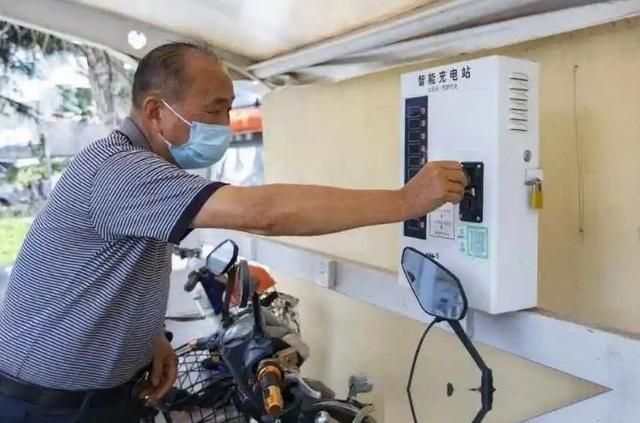
The high cost does not mean that it is unknown. It's not the dollar that's going to make the most of the people, but the bills don't get it。
The state has long promoted the “segregation of prices” requiring that the price of electricity and the cost of services must be indicated separately and clearly. But what about reality? In the same business, the prices of several stakes varied, ranging from power to power, to a direct sale of the total price, which mixed electricity and services into a pot of porridge. Moreover, the shift from “time-based” to “degree-based” has created a large amount of “price-inflation illusion” that makes the owner of the car unwittingly unwittingly the wrong man。
Although industry data show that the profits from the operation of the charging stakes, after all costs have been deducted, are, in fact, thin, this is in no way a reason for fishing. If “reasonable return costs” are not separated from “absorption of passengers”, the end result can only be bad currency to drive away good currency。
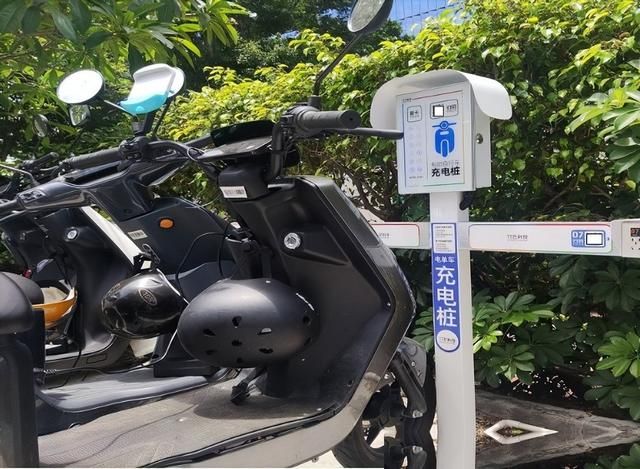
Breaking the road: drying up the water and making the price of electricity transparent
If it's not realistic to yell down prices, how do we break this game? In fact, three moves。
First move, clear the score. Don't let the people have to use the calculator for half a day。
Second move, squeeze the water out of the rent. The fattest part of the service fee is often the rental of premises and the division of property, which, if released, can be reduced at a price. This is much more useful than simply calling the operator。
The third is also the most low-paid one, with direct supply through the electricity grid. Many of the sub-regions are overpaid, with all the middlemen adding to the layers. Once the direct supply of electricity grids is achieved, unclear price increases are lost and residential electricity prices fall directly to the stakes, which is a long-lasting remedy。
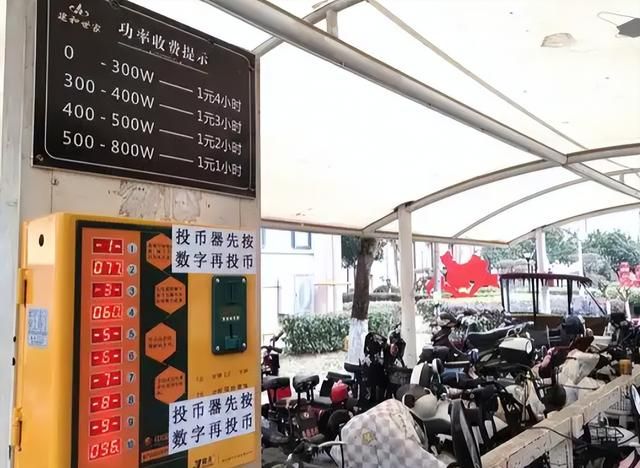
At the end of the day, the population is distasteful not of money, but of confusion. Who else would be willing to charge the flying line at the risk of a fire when that charger downstairs is fair and transparent? The small things that make people affordable, comprehensible and comfortable are what makes people feel good。









