


On 7 august, at noon in taipei, china, yong and lin, founder of soy milk, died of his illness and were 70 years old。
The obituary came out this afternoon, and the permanent and capital group's circular was written with restraint and dignity, calling it “the founder of the founding foundation of the group, the core navigator”, but it is more used to being called “doudou”。
That's an interesting name, with a little bit of wind and a little bit of a realist. The best-known achievement of his life was the hot soybean。
A lot of people may not have walked into yong-ho's soy shop for a long time, but as long as you've been in the chinese city from the late 1990s to the first decade of the new century, you must have an impression of that yellow little man in a straw hat. It used to be one of the most secure breakfast choices for railway stations, business circles, writing floors, and, more importantly, one of the symbols of desktop meals landing on the continent。
The departure of lin bing was, in a sense, an era of lightness。
1. National soybean
The source of the soybeans is not really from lin bing。
In taipei, china, in the 1950s, a group of veterans from the ancestral mainland gathered on the middle of the middle zone to build an easy shed to earn a living. With their home crafts, they have grown into famous local breakfasts with soybeans, grilled pancakes and fried fries。
The names of these veterans' trade paths, soy-mulced alcohol, oil bars and soy sauce slowly spread throughout the island. But for decades thereafter, it has been a small street-backed stall, with no brand name, no standards, no chain, like the sand county snack, the lanzhou ramen, for anyone。
It is lin who brands yong-ho from place names。
Lin bing was born in fujian, and when he was young, he ran for sewing machines, worked as a house broker, worked in stalls, drove taxis and drove around the food industry。
He was impressed by the reputation of yongchou, but also by the limitations of the workshop — no standard, no brand, no distance。
In 1982, he officially created the young-yeon soyuza brand. Three years later, he took the registration label of yongchou's soybean commodities and set up the hirochi food company, which moved the soybeans that were originally made of teachers' sense into mechanized factories, making them standardized in bags and cans。
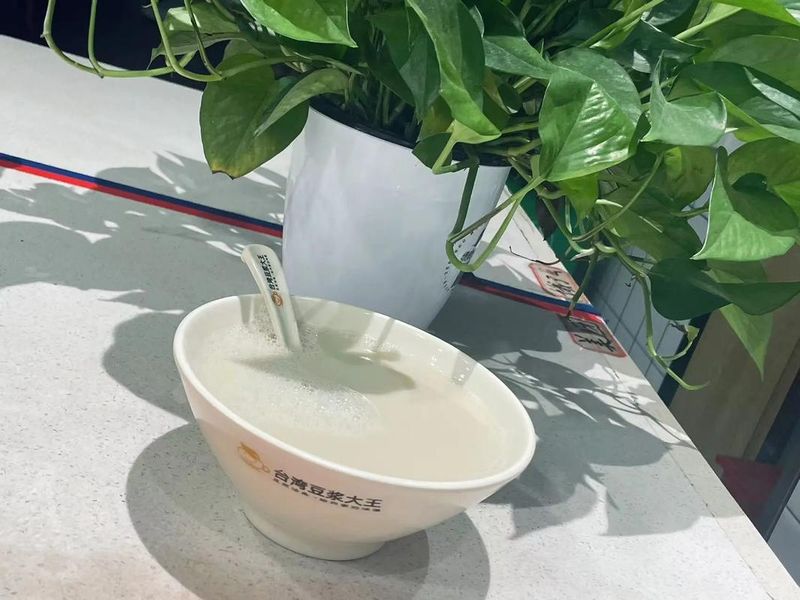
Turn the city well fireworks into replicable commodities. This step is the first time lin bingsheng has changed traditional snacks。
In 1992, the spring wind of the southern patrol was blowing across the great river and north and south, and the thai merchants surged westward. Lin bingsheng smelled a great opportunity for the mainland market, registering trademarks on the mainland, officially swinging north three years later, and opening his first shop in shanghai。
In the 1990s, in mainland china, the breakfast market was still the province of the couple's wife's shop. The sanitary conditions were uneven and the taste was in the hands of the boss. Lin bing-sun said a little detail about breakfast in the streets of fukuo when he first arrived in the mainland, and the boss's wife grabbed the stick and found the change. He then concluded that a healthy, standardized breakfast must be a big business。
That's right。
Young-yeon and soybean have brought with them a full set of downfalls. There are uniform standards for the renovation of a single store, the operation of slotting, standardized products, standardized services, and even the sweetness of soybean milk and the length of oil bars。
It was a new experience for consumers at the time to have a warm and ready-made soybeans and to sit in a clean and bright shop for breakfast. Almost immediately, the soy sauce was on fire。
For more than a decade, the soybean form of association expanded rapidly, culminating in the opening of more than 500 businesses throughout the country, with products that were sold to more than 20 countries and regions, such as the united states, canada and the united kingdom, and became genuine national soybean。
2. Brand dilemmas
If the story continued, naga would have been the medium-sized fast food pole. But the reality is that many people today have a blurry image of it。
The primary reason for this is the commingling of trademarks that has lasted more than two decades。
Many have not yet been able to distinguish between “nature and soybeans” and “nature and king”。
In short, lin bing's permanent and soybean soybean is a food and drinker after the trade brand (soy soybean powder), while wang wyoming was founded in shanghai in 1995 and directly registered with the food and catering brand of the king, which was subsequently fully acquired by the happy bee group of the philippines。
The two families fought for the word "yonghaga" for countless years, and the consumers were all the same。
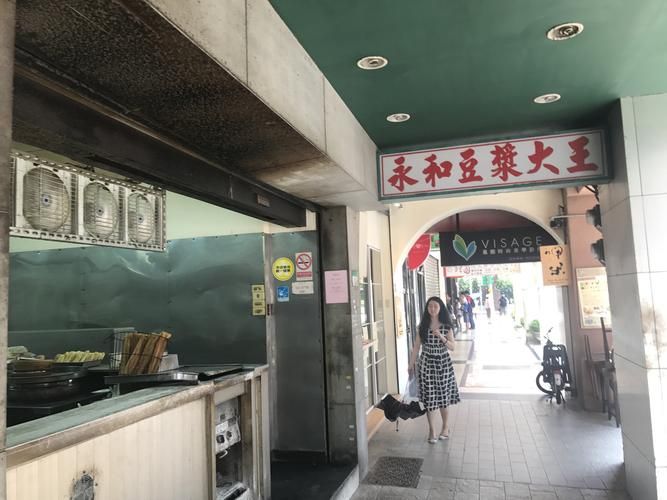
It was originally a generic name for geographical names and the protection of trademarks was extremely difficult. At the peak, there were no more than 30 per cent of the country's doors with the plaque "naga" in place。
Something's wrong with the fake store. The real store's lying on the gun. The fermentation of the “arms mixer” incident in 2019 resulted in the discovery of a warehouse shop, but the damage was a symbol of the entire “eternal peace” class。
It's more deadly than the mountains, and it's the reverse of the union model。
In order to run fast, yongchou opened up a very liberal association policy early in the year, with over 80 per cent of the maximum union stores。
The rapid expansion is on the scale, and the control is out of control。
The non-sterilized, non-fresh food items and the tycoon-style negative news come out every time, each time consuming the trust of the gold sign of "nature and soy sauce"。
By the time lin bingsheng reacts and wants to buy back the union store and turn to the direct camp model, the market is no longer the blue sea of the year。
This is actually a common dilemma for many brands in the year。
They come with a mature sense of product and branding, but underestimating the brutal growth of continental markets. Trademarks are slow, union control is loose, power is weak, and the brands are diluted。
Today, taiwan's food and drink brands, which came across the sea, are almost collectively trapped in stagnant or even shrinking growth. The logic behind it is simply that the core advantage of the year, in the market 20 years later, has disappeared。
In the 1990s, the taiwan brand introduced standardized catering management, mature supply chain systems, and advanced service concepts, which were models of textbook-levels for the mainland catering industry. More than 20 years ago, however, the maturity of the local supply chain was long overdue in the taiwan region。
When experience is wiped out, taiwan’s short brand is exposed, and its former foreign monks are slowly losing sight。
The end of time
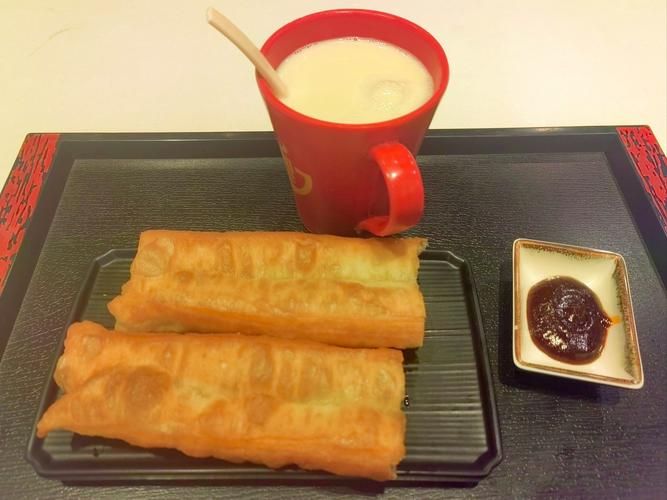
The second half of lin bing's life has actually faded out of the soy business. In his later years, his focus had already shifted from yongchou's door shop to a broader capital configuration。
He initiated the establishment of the youngchang capital group, based in hong kong, which covers large health industries, equity investments, industrial mergers and acquisitions, and even opened up overseas spac listings in an attempt to transform from an industrialist to a capital operator。
This path is that of many traditional entrepreneurs. When the main industry enters stock competition and holds cash and brand resources, it can always resist moving to more upstream capital。
It was said that it was not a business, and it was said that it was a business of good will. But, to be sure, who doesn't want to walk a little easier after decades of hard work in the catering business?
It is only natural that when the energy of the founders is increasingly invested in capital and investment, the integrity of the dominant brands slows down。
Lin bingsheng is not a top rich man, nor is he a star entrepreneur. Why should he be writing about his departure?
Because he and his permanent soybean are a microcosm of commercial exchanges between the two sides of the continent over the past three decades and a witness of the continent's consumer markets from infertile to prosperous。
Now that the old man is gone, the soybean is still grinding, the door shop is still open, and a new generation of managers will continue to face old problems such as the rejuvenation of brands, competition in the market, and chaos。
An era of founders is over, but the story of a cup of soybean is far from over。
Just as the old soldiers on the bridge in mid-year would not have thought that their soybean stalls would leave taiwan and travel all over the land; lin bing-sung might not have foreseen where he would go in the future。
The charm of business is here, with a generation of missions and a handful of battlefields。
The soy sauce is still hot, and the fireworks are still burning. It's just the guy who's been grinding soy sauce for 40 years, putting down the spoon。
Have a good trip, dou。









