



Submitted by: hou xiaori/f304447, z0015326/
- he's a fresh animal analyst
Key variable snap
The pressure column causes the monthly column count to lag behind and there is a risk of subsequent concentration。
The accumulation of second-born stocks has begun, and the subsequent runoff will have a pulse effect on short-term supplies。
Strong precipitation in guangxi and other areas may give rise to risks of early exit and spread of epidemics and increase regional supply disturbances。
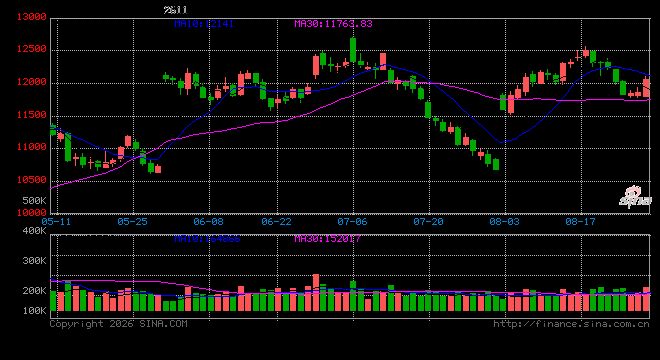
According to monitoring by the ministry of agriculture and rural development, the price of raw pigs and pork in the country has increased for two consecutive weeks since july, with a marked increase. On 12 july, the wholesale price of the white pig at the beijing new source market was $14. 4 per kilogram, an increase of 15 per cent over 1 july. But once again this week there will be a fall in the price of a pig's future pallet, and will this rebound end
Why is the price of pigs up
The core driving force of the current round increase is short-term out-paced resonance with market sentiment rather than a substantial, trendive contraction of supply. The continuous fall-out of the previous period resulted in the phasing-out of the stock of big pigs, the rapid spread of the price differentials, the price of fat pigs being higher than the price of the pig, the incentive to sell on the farm side, and the return of pig prices to above 11 yuan/kg, which led to positive fertilizer profits, prompting the active supplementation of second fertility and further pushing up the price of pigs. As a result, the current round's increase in pig prices is a phase of short-term out-paced adjustment, second-born, local pig supply tightening and resonance with market sentiment, and not a cyclical rebound that starts ahead of schedule, and the price of the raw pig is not yet out of the bottom zone。
What do you think of the back market
After july, there was a marked decline in slaughter, as did the round-up of slaughtering, which did not reverse the price increase, suggesting that the price increase was not driven by terminal demand but by a contraction in supply. High-temperature weather inhibits pork consumption, school holidays lead to a contraction in the procurement of group meals, a lack of pig meat and growth, and a marked weakness in downstream carrying capacity。
In the current scenario, short-term support remains, but rising kinetic energy is declining. It will now take time to fully fill the gap between the pigs, which have fallen back from the previous period, and the pigs, which are not under pressure to exit for a while, have some bottom support for their prices, but the difference in the price of the fertilizer has been pushed back, the heat of the double supplement has cooled, and the current round has continued to rise in doubt. The price of pigs will go through a wave of backsliding if the second-born and third-season pigs start to line up in mid-july; and the post-september seasonal heating of demand (school start, mid-autumn national day) hedge pressure, when supply and demand are expected to strike a new balance, but if excessive pressure on the farming end leads to a shift in supply after concentration and four quarters of group field appearances are planned。
What needs attention
Three key variables require attention in the short term:
The first is the size field entry, which results in a delay in the monthly release, not excluding the possibility of subsequent concentration
The second is the pace of decorum, which is now starting to accumulate and increases the risk of subsequent decorating
Third is the flood in the south, where heavy rainfall in guangxi and other places can trigger the risk of early exit and spread of epidemics。









