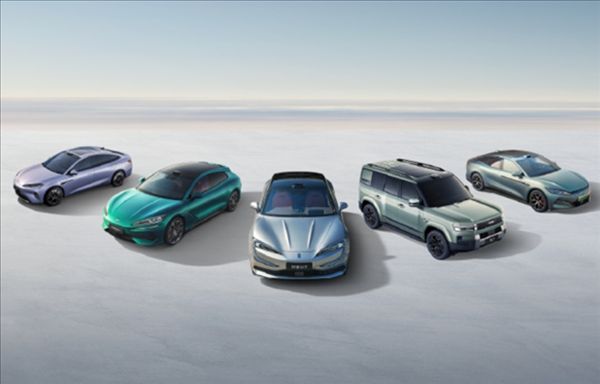
In the year 2026, the downward trend in the market price of cars continued to spread, with nearly 70 car-type centralized price reductions across the industry, an average of $38,000 in the new energy model, a three-year price war that further squeezed the profitability of cars, and the industry's “wine-wine-wine-wine-wine” became the norm。
At the high level forum on smart electric motors development, many industry executives have argued that it is difficult for a car enterprise to make a profit by selling it alone, and that the industry is caught in a systemic dilemma of “no gain, no gain, no gain”。
Data show that between january and march 2026, the average price of new energy vehicles fell by 275,000 yuan and the average price fell by 38,000 yuan, or 13. 7 per cent。
The average price for fuel trucks was $258,000, and the average price was $37,000, or 14. 3 per cent。

Luxury and joint-venture brands make a big deal of money, autonomous brands are forced to follow, and market competition continues to heat up。
The industry earnings figures are even more critical, with only 2. 9 per cent profits in the automotive sector in january-february 2026, down sharply from 8 per cent in 2017, well below the rate of 39. 4 per cent for non-ferrous metals and about 30 per cent for the oil sector during the same period。
There is a serious imbalance in the distribution of profits in the industrial chain, with the whole car business becoming the most crowded segment of profits。
The founder, li bin, said that batteries and chips already cost more than 50 per cent of the cost of smart electric vehicles, combined with an iterative acceleration of core components, and that companies faced enormous supply chain pressures and supply and demand balances were difficult to control。
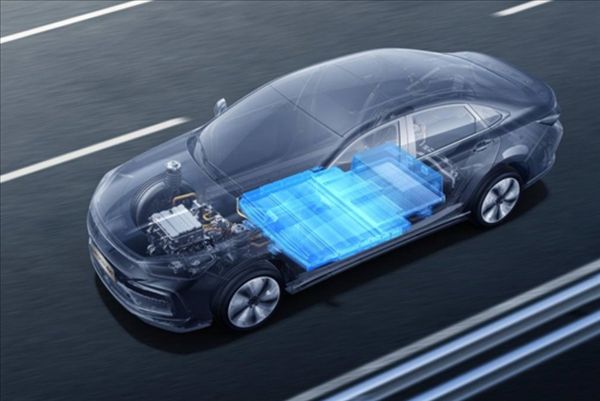
This profit imbalance is particularly evident among upstream and downstream enterprises。
In the power cell industry, net profits from the ningde era increased rapidly for five consecutive years, rising from $15. 9 billion in 2021 to $72. 2 billion in 2025, with a five-year compound growth rate of 66. 9 per cent。
In contrast, it is difficult for the country's whole car enterprise, even biadi, which has the leading revenue base, to escape the trend of “scaling gains”。
In the face of a profit-making dilemma, the industry is actively seeking a course of action。
Lufang, chairman of the lutou automobile, noted that efficiency reduction in internal content and outward optimization of product structures were key to achieving self-made blood on the part of automobile companies。
Businesses need to move to high-quality development, move away from mere scale expansion and move out of the low profit margins through technological innovation, optimization of supply chains and globalization。