


Main factors affecting the cost of colonoscopy
Type 1.
The common intestinal lens does not require anaesthesia and costs are lower; the painless intestinal lens requires anaesthesia and electrocardiology, which usually account for 30-50 per cent of the total cost. Some hospitals also offer special examinations, such as capsule or amplification mirrors, which may be more expensive (over us$ 2000)。
Hospital level and nature 2. Regional differences 3.
First-line cities (e. G. Beijing, shanghai) generally cost more than second- and third-line cities. For example, the average cost of painless intestines in beijing is approximately $1200-$1,800, while the average local municipality could be $800-1200。
Additional item 4.
Ii. Health insurance and self-financing
Medical insurance claims 1.

Ordinary colon mirrors are partially reimbursed in most areas (about 30-50 per cent) and painless colon lenses usually cost themselves for anaesthesia. Specific policies require consultation with local hospital health care units。
Commercial insurance 2.
Some high-end medical insurance covers painless intestines, subject to prior confirmation of terms。
Iii. How to choose the appropriate intestinal services
Clear demand 1.

If only screening is required (if there is no family history or symptoms), the common intestine lens is more expensive; if it is sensitive to pain or has a complex medical history, the choice of painless intestines is recommended。
An advance appointment and preparation.
Public hospitals are required to make one-two-week appointments, which are subject to strict fasting and administration of intestinal drugs (at a cost of approximately $50-100)。
Price comparison 3.
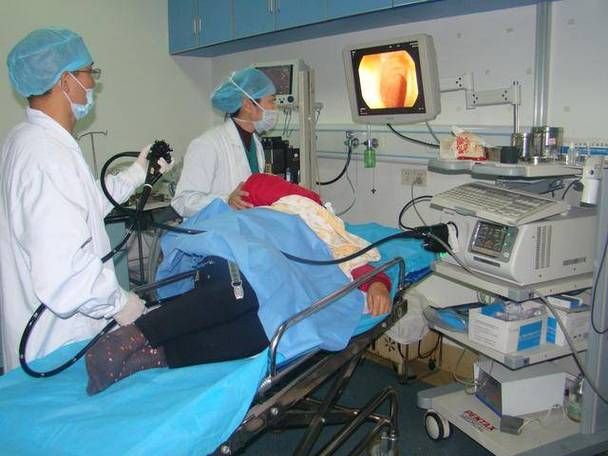
The rates for multiple local hospitals can be consulted through a network of hospital officers, telephone counselling or a third-party platform (e. G., app for health)。
Iv. Notes
If there is a family history of constipated blood, chronic abdominal pain or intestinal cancer, it is recommended that the examination be carried out as soon as possible; persons over the age of 40 may consider including intestinal lenses in the regular medical examination programme。









