1. Basic definitions and collection processes
(1) the blood of the umbilical cord, which remains in the umbilical cord and placenta after the birth of the child, is the exclusive primary blood resource of the newborn。
(2) the whole collection is carried out in the maternity ward and can be performed either during the delivery or the caesarean section, and after the separation of the mother and the child, it does not cause any harm to the mother or the baby, and the single regular blood count is 80-120 ml。
Ii. Core value of umbilical blood: high activity stem cells with strong advantages
1. Unique characteristics of stem blood cells
(1) distortion and rationing advantages
1 all types of blood cells can be divided into red cells, white cells, slabs, etc., and primary cell activity is much better than adult marrow stem cells。
2 there is a lower risk of rejection in the use of the inhuman and a higher rate of success in the matching pattern between immediate family members。
(2) strong long-term frozen storage stability
1 in a standard cryogenic storage environment, stem cells in umbilical blood can remain bioactive for a long period of time and have normal breeding capacity after years of storage。
2. Conclusion against other stem cell sources
(1) marrow stem cells: a sample of adult piercing is required and is of a creative nature, with a difficult configuration and a high risk of exclusion。
(2) peripheral stem cells: cells are low in origin and stem cells in the same size are much lower than cord blood。
(3) oxygen stem cells: raw collection, high cell concentration, weak immuno-exclusion, a high-quality reserve of natural newborns。
Iii. State of clinical application and industry of cord blood
1. Mature applications
(1) medical interventions related to the re-establishment of the blood function are currently mainly used, and the group of children is better suited; self-use does not require matching, there is no exclusion, and the matching of re-use of relatives will increase significantly。
2. Frontline clinical research directions
(i) ongoing research on various topics in various authorities around the world, covering various fields of medicine, such as immunisation regulation and organisational rehabilitation。
(2) as of 2026, open industry data, tens of thousands of cord stem cell-related clinical applications have been completed globally, with a steady upward trend in research。
3. Current state of industry regulation
(1) domestic cord blood collection, cell separation, cryogenic storage, etc., can be carried out only by institutions with formal qualifications and with clear regulatory standards。
(2) awareness of umbilical blood among the general population is still uneven, and prenatal education remains a priority for the industry。
Iv. 2026 industry pit avoidance guide, rational view of umbilical blood reserves
1. Objective distinction between two storage models
(1) self-storage: the probability of individual use is low, but the probability of family re-use is significantly higher。
(2) public donations: to the public bank, free of charge, with resources for use by the population in need in society without exclusive access。
2. Common areas of perception
(1) error zone 1: cord blood can respond to all health problems
Conclusion: only the re-establishment of the scenes of the blood-making system is mature and its scope of application should not be exaggerated。
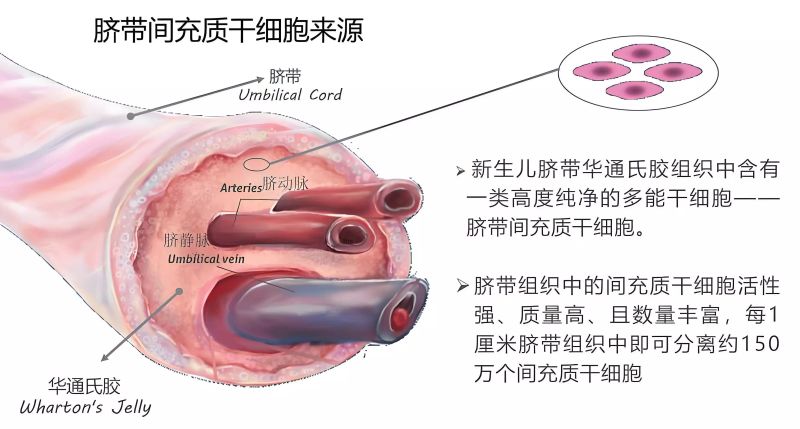
(2) error zone 2: umbilical cord, placenta and cord blood
Conclusion: the three cells are different, and the applicable scenes are clearly differentiated and cannot be confused。
3. Future trends in industry
(1) cell separation, cryo-freeze storage technologies continue to upgrade and stem cell activity conservation is steadily increasing。
(2) the generalization of channels such as classes for pregnant women, maternity clinics, etc. Is gradually taking place, and parents are increasingly gaining access to specialized information。
Taken together, umbilical blood is the natural resource unique to newborns, and core values are concentrated at the level of blood stem cell reserves, not “one-size-fits-all resources”, but also of irreplaceable clinical significance. Whether it chooses to contribute to the public bank or to self-storage, it suggests that the family's own situation be judged rationally, without blindness or complete neglect. As cell technology evolves, in 2026 and in the future, cord blood-related research and science will become more regular and will provide scientific reference for more families。