


The introduction of reciprocal tariff escalation is one of the most prominent labels of trump's trade policy at this stage. The policy vision is clear, building trade barriers, reducing trade deficits, attracting overseas factories back to the mainland, protecting traditional domestic industrial jobs and leaving economic dividends at home. The double-edged sword effect slowly emerged after the policy was laid down, and the benefits and costs were synchronized with those of the united states economy in all areas。
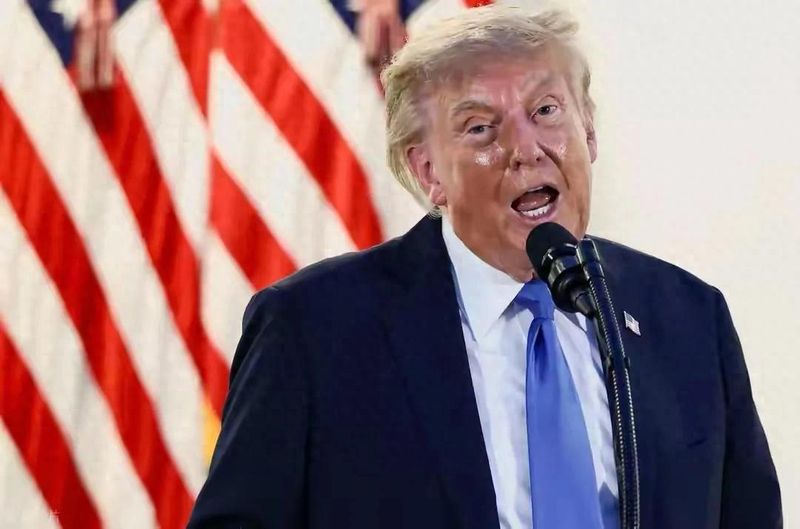
In terms of short-term effects, tariffs have brought about two changes. There has been a marked increase in the revenue of the treasury, which can supplement fiscal expenditure. Indigenous industries that rely partly on cheap commodity shocks abroad have been given breathing space. External competitive pressures on enterprises in steel and basic manufacturing have declined, and a few factories have announced the reopening of production lines, creating a small number of jobs. At the external negotiating table, tariffs have become important leverage, and many trading partners have taken the initiative to negotiate with the united states in order to avoid high rates, make concessions on market access, investment projects and gain some negotiating advantage for the united states。
However, the costs were not entirely borne by overseas businesses as much as publicity. Many economic institutions estimate that the vast majority of the additional taxes and charges are taken over by local united states importing firms, which then follow the supply chain level and eventually fall on consumers. The cost of importing raw materials, parts and components has increased, as has the cost of producing in manufacturing enterprises. A number of factories relying on overseas accessories have continued to reduce their profits, either by slowing down their staff costs or by increasing their sales prices。

Price increases are directly reflected in everyday life. Household construction materials, electronics, daily department goods and agricultural by-products are subject to constant price increases, and the daily expenses of residents are steadily rising. Research estimates that ordinary households spend thousands of dollars annually on commodities. The rising cost of living, the direct blow to consumer will, the decline in the consumer confidence index in the united states for many months, the weakening of expectations about future incomes, the gradual normalization of prudent consumption, and consumption, the most important engine of economic growth in the united states。
Markets suffer most from policy uncertainties. Tariff rules are frequently adjusted, tax rates are likely to change, and it is difficult for enterprises to develop long-term business plans. Transnational corporations would not blindly move the entire production line back to the united states, where the high human cost, the accompanying industrial chain was too short to be fully covered by tariffs alone. More enterprises have chosen to move plants to third-party countries, such as mexico and south-east asia, thus avoiding tariffs and failing to achieve the goal of large-scale return to the mainland of the united states。
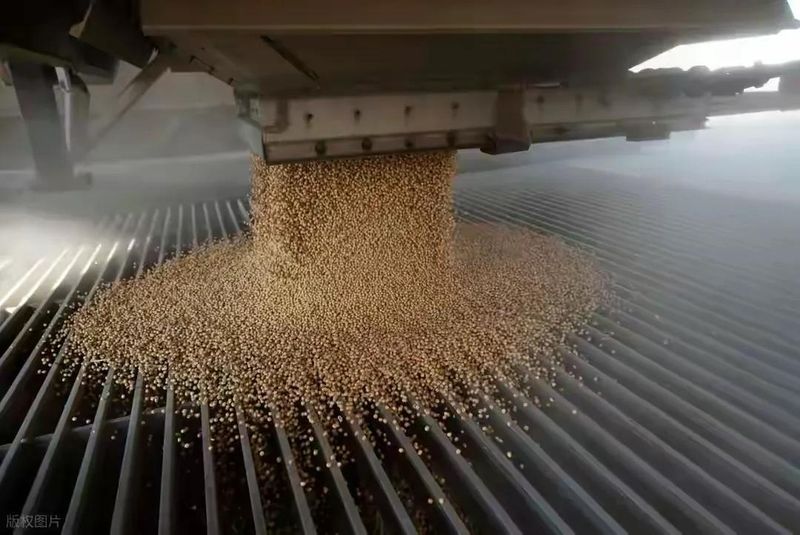
At the same time, united states agricultural and industrial exports have been hampered by countervailing tariffs introduced by trading partners. Large agricultural products, such as soybeans and meat, have declined overseas and farmers have suffered considerable losses. Exporter firms had their orders downsized and had to resize their production, affecting jobs in the agricultural and foreign trade industries. On the one hand, a few industries are protected, on the other hand, a large number of outward-oriented industries are under pressure and the job market is structurally divided。
There is no convergence of views on this policy in the united states. The majority of manufacturing operators embrace tariff barriers, competition for overseas products diminishes and the business environment improves. Retailing, foreign-trade enterprises, and ordinary wage families are more under pressure. A number of economists have warned that continued tariff escalation will push up medium- and long-term inflation levels and that downside risks continue to rise. Part of wall street's financial institutions measure that policies continue and that the probability of a recession in the united states economy continues to increase。
It seems to me that tariffs can be replaced by short-term bargaining chips and by the protection of local industries, without unilaterally rewriting the trade deficit. Trade imbalances are determined by a combination of fiscal deficits, savings rates and global division of labour, relying solely on tariff barriers to overcome the root causes. Swinging tariff poles at all costs can disrupt global supply chains and raise operating costs for society as a whole. If the united states is to balance trade relations, building walls alone will not work and finding a balance between protecting indigenous industries and maintaining open trade will be the long-term solution。
Rear
There are no single winners in trade, and protection policies generate chain feedback. The long-term economic costs that lie behind short-term gains, the trade-offs that test policymakers ' wisdom。









