Our cross-border electric operators are facing serious challenges from overseas markets in the form of heavy-handed growth。
In july, the european union tightened its supervision of cross-border electricians, formally abolished customs exemptions for parcels under 150 euros, imposed a fixed tariff of 3 euros on incoming low-value parcels during the transition period, and significantly increased the cost of direct mail at low cross-border prices; on 20 july, the european union imposed a €550 million fine on the fast-track sale of cross-border electrician platforms under the ali baba flag; and on 31 july, the european union charged temu with lack of cooperation during previous raids and followed up or will impose a fine on him。
With the exception of the european union, the united states announced in july the extension of the policy of “termination of the `small exemption'” to all countries, as well as tightening compliance with cross-border consumer goods. In addition, thailand, japan and russia have adopted measures to strengthen certification of cross-border electrician goods and to revise tariff policies, with global economic compliance becoming more stringent。
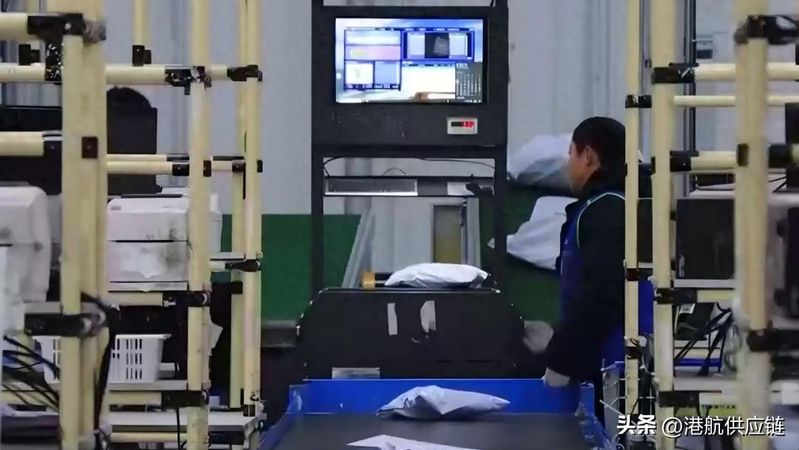
(figure source: ocsa)
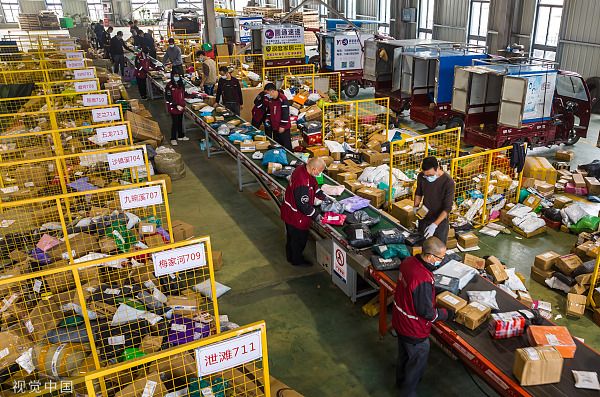
The most affected by overseas policy changes is the “low-cost direct mail” model of a cross-border electric operator。
In an interview with the modern logistics newspaper, zhang yi, the chief analyst of the apt consultant, stated that the price advantages resulting from countries ' low-value package tax exemption policies were the main reason for the establishment of the low-value package direct mail model, which had led to the rapid expansion of our cross-border electricity industry for a long time。
However, with many overseas exemptions for low-value packages, new regulations such as product certification and environmental protection, tariffs, vat and clearance costs for individual commodities have increased significantly, reducing the profit space for low-value commodities directly. At the same time, some national customs enforce the pre-declaration of goods entering the country, reduce the time limit for the clearance of small parcels and significantly increase the risk of seizure of goods moving around the compliance margin. Low-priced direct mail patterns that rely solely on “go” are no longer sustainable。
In the face of overseas policy changes, path adjustment and compliance transformation are the response of our cross-border electrician. Zhang yi indicated that in recent years the strengthening of the overseas warehouse layout and the construction of the dtc stand-alone model of “nearing brokers” have been important initiatives for addressing the risk of uncertainty abroad on our brand and electric platform. “overseas warehouse layouts, the landing of local subjects and the construction of product compliance review systems all play a role in adapting to local regulatory needs and in managing overall compliance risks.”
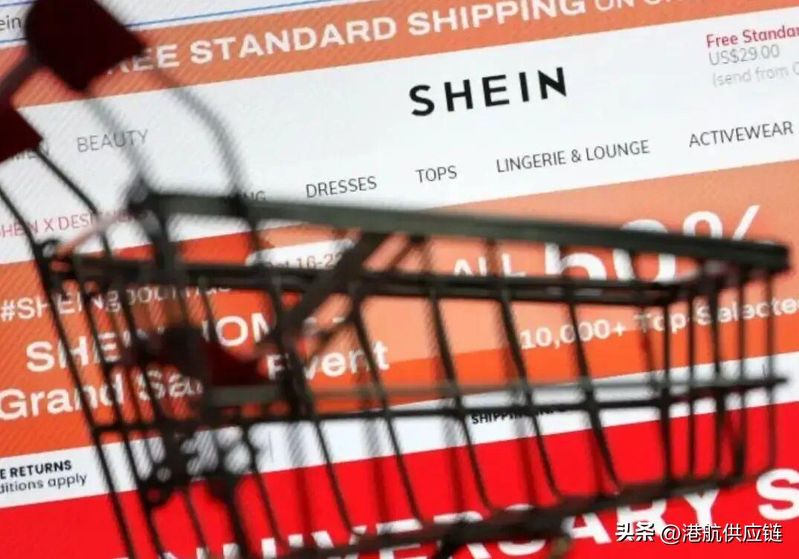
For example, shein has accelerated its overseas warehouse network layout in response to tariff impacts, and as of june 2026 it had built a network of warehouses totalling approximately 6 million square metres in asia, north america, europe, the middle east and south america; consumer brand ank innovation has created independent corporate entities in markets such as europe and the united states, with stocks, performance and sales being taken over by local companies, and its income from independent dtc stations in 2025 increased by 25. 2 per cent over the same period, representing a gradual increase。
High-quality products endorsed by the brand are also favoured by overseas consumers in terms of consumption. According to people's daily, a study by the market data provider cubeasia found that about 90 per cent of the respondents had indicated their willingness to pay higher prices for branded goods, of which about 30 per cent had been willing to pay an additional 10-30 per cent for “goods security”。
How, then, should cross-border electricity vendors cope with the uncertainty of overseas policies? Zhang yi believes that, in the context of increased regulation, cross-border vendors need to focus on compliance with the four areas of tax declarations, product safety certification, environmental protection and carbon footprint, account operation and cross-border fund collection。
In addition, in the area of logistics performance, cross-border vendors should gradually reduce their share of net mail and shift to the “domestic collection + overseas warehousing” model to reduce the risk of customs clearance anomalies. Vendors should also optimize commodity structures in the operation of selected products, phase out low-maori and high-risk compliance commodities, and increase their resilience to volatility by increasing their share of fully internationally qualified and premiumable goods。