


Source: medical respiratory channel
Recent articles in the medical profession have shown that there is an ongoing discussion of paraquat poisoning. Looking back at n years ago, i also dealt with several cases of paraquat poisoning and, unfortunately, none of them survived. It was shocked by the high death rate of paraquat. Now that paraquat poisoning is hot again, i think it is possible to describe briefly the changes in pulmonary pathology caused by paraquat poisoning。
Paraquat poisoning causes the most damage to lung tissue
Paraquat is chemically known as 1-1-dimethyl-4-4-thiochloride, alias: grass quest, gramoxone, baraqui. Death occurs when 20 per cent of the water is taken by mistake. Paraquat can be absorbed through the skin, respiratory and digestive tracts, but it is not fully absorbed, and it is absorbed with blood distributed to the organs of the whole body, but with the highest lung tissue. Paraquat is rarely degraded in the body, often excreted with faeces and urine in the form of protomas and in small quantities with milk。
1. Multiple system damage
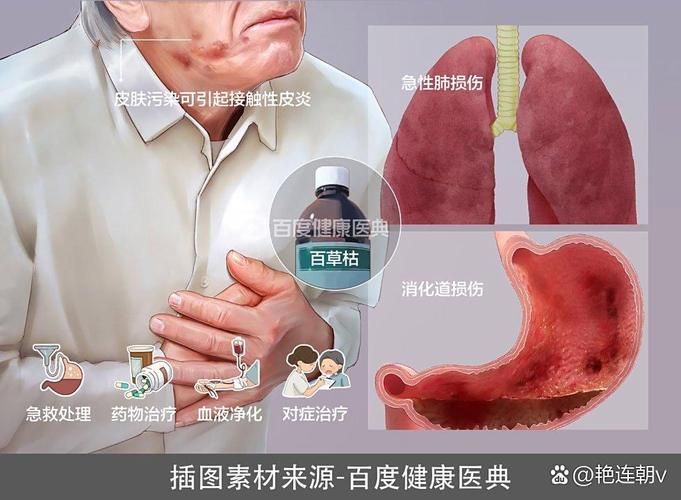
Paraquat poisoning can cause multi-system damage, especially to lung tissue. Changes in pulmonary tissues can be caused by haemorrhaging, haemorrhaging, oedema, transparent membrane formation and variability, increase in life, fibrosis, etc. Large-dose poisonings are often caused by respiratory failure due to acute lung damage and functional failure of multiple organs such as the heart, liver, kidneys and so forth; at smaller doses poisoning often results in later fibrosis of the lung tissue, which is relatively long and is carried out in a transmissible and irreversible manner, which is the leading cause of death in patients who survive acute periods of poisoning。
2. Acute inflammation of pulmonary tissues resulting in acute lung damage
The main target organ for paraquat poisoning is lung tissue. The active transfer of lung i and ii cells to the cells allows concentrations of paraquat in the lung tissue to be 6-10 times higher than plasma concentrations, while also allowing cell oxidation. Intracellular transformation of oxygen-free radicals is the basis for paraquat toxicity, resulting in a large number of ultraoxidated anion-free radicals (o=) and hydrogen peroxide (h2o2) that induce acute inflammation of lung tissues, causing acute lung damage and causing pneumonia。
The pathology of the lung tissue changed after paraquat poisoning
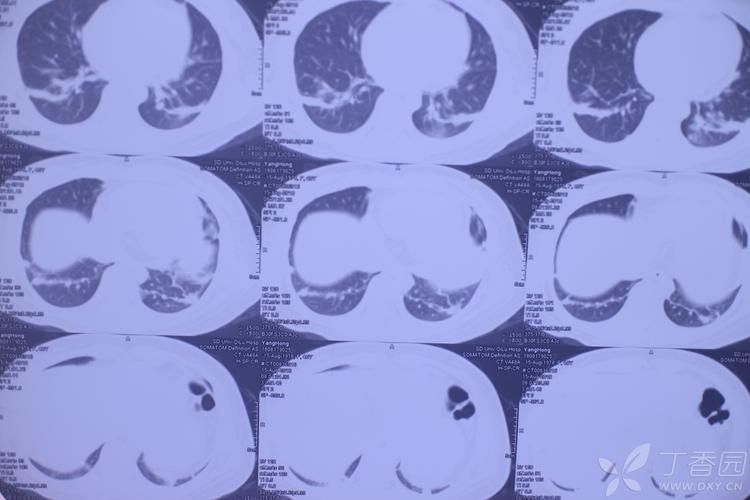
1. Paraquat poisoning leads to inflammation and cell-factor activation, generating large amounts of fibrous protein-inflammation leachate, filling the pulmonary pneumobrosis with protein-influenza leachate, inflammating cells, and altered pneumatic pneumocular cells resulting from poisoning, resulting in dissipation and transparent membrane formation of pneumocular upper pneumocular cells of type ii, affecting the oscillatory activity of pneumococular cells of pneumococular cells in the pneumococosis。
2. Reduced pulmonary oscillating substances or disorders cause the pneumatic walls to collapse, with collapsed pneumatic cavities and exposed pneumocular walls adhesived through proteins such as cellulose, so that the pneumatic cavity is closed and disappeared。
3. Inflammatory cells and cellular factors stimulate and activate the previously static fibre parent cells and convert them into fibre cells. On the one hand, there is an increase in the intrapulmonary internality and a large amount of genoprotein, resulting in interpulmonary fibrosis; on the other hand, it is induced by the inflammation effects of inflammation factors and cytogenesis in the pulmonary bubbles, which are introduced into the internal pneumocular cavity through damaged pulmonary blizzards and membranes, and on the other hand, a large amount of genoprote is distributed, and the closed pneumonic cavity is eventually filled with, replaced and irreversibly fibroized. This caused fibrosis of the entire lung tissue and caused respiratory failure to die。
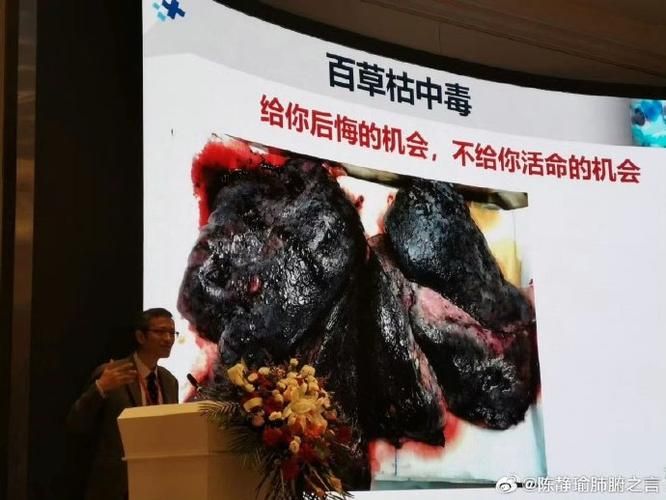
Unreversible fibrosis of lung tissue following paraquat poisoning is the leading cause of death from paraquat poisoning. It is hoped that the clinicians will be inspired and informed by human intervention and prevention of irreversible fibrosis of this lung tissue. Get more cases of paraquat poisoning。
References: the role and mechanisms of upper-interfill transformation in pulmonary fibrosis in rats with paraquat poisoning
Welcome to small issue mailbox: zhaoying@yxj. Org. Cn
Scripts: $100 to $1,000









