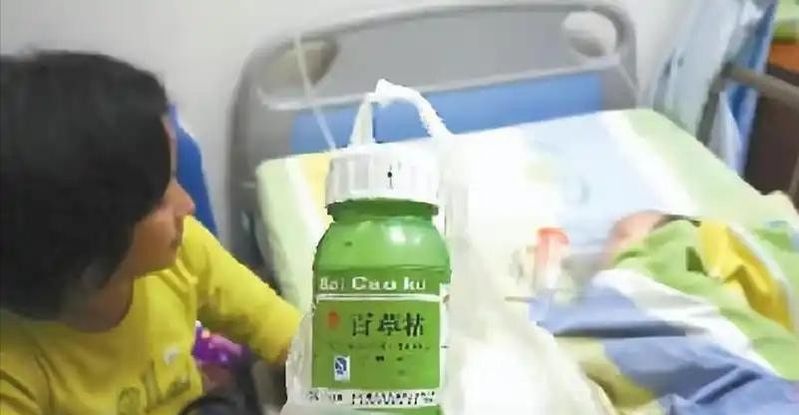
The three words that emergency doctors fear most are “grass”. When the family expressed that name in tremors, the doctor's face was soared that it was heavier than anything. This pesticide has a cruel title: “give you time to regret, but not to live”. You watched soberly as you turned to death, the will to survive and the reality of despair were torn apart, a long and painful process。
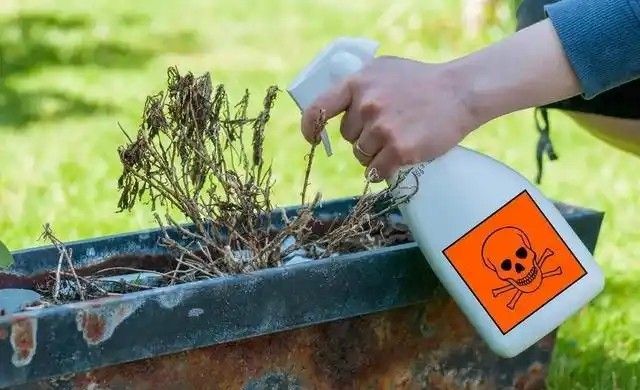
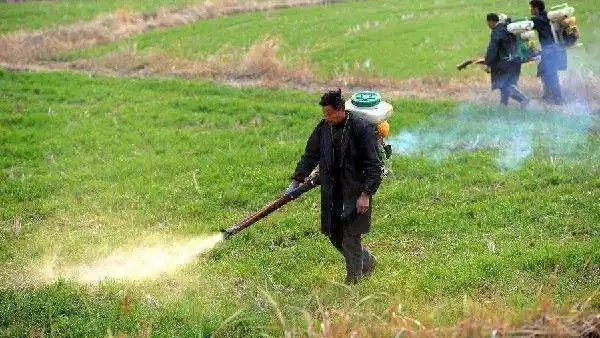
But you know what? In the eyes of farmers, it used to be “the potion”. It's cheap, it's quick, it's yellow on the weed, it's blunt and it's soil friendly. In the 1990s, chinese agriculture was in dire need of highly efficient and cheap herbicides, and manual weeding was cumbersome and slow, and farmers were looking for provincial solutions。
At this point, a man stood up and his name was li deok-jun. It took him eight years to lead the team to break foreign monopolies and domesticate paraquat. Prices fell and farmers used them, yielding more than a year, and paraquat became “the king of pesticides”. The lee german army has also become a winner, and technological breakthroughs, industrial autonomy, are a shining story。
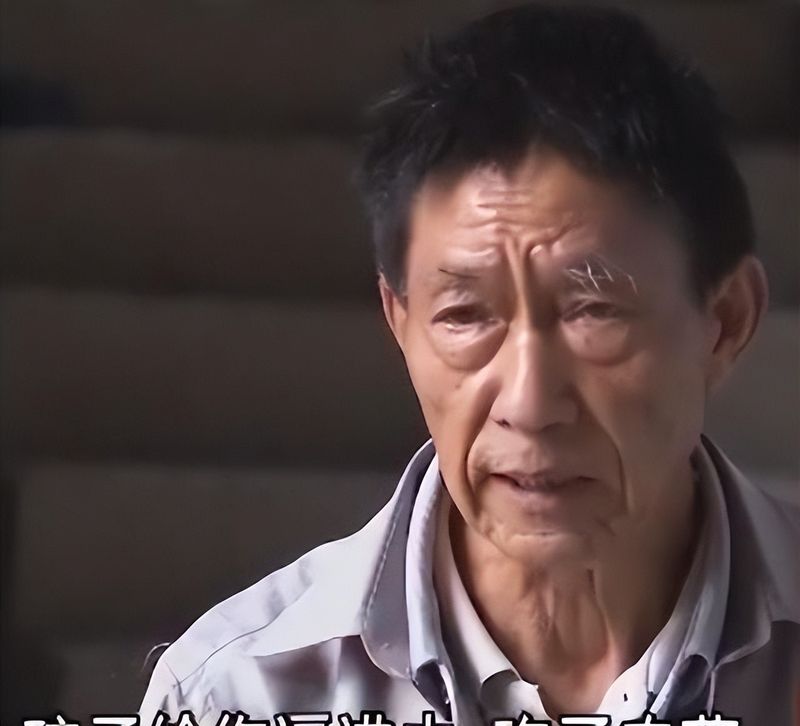
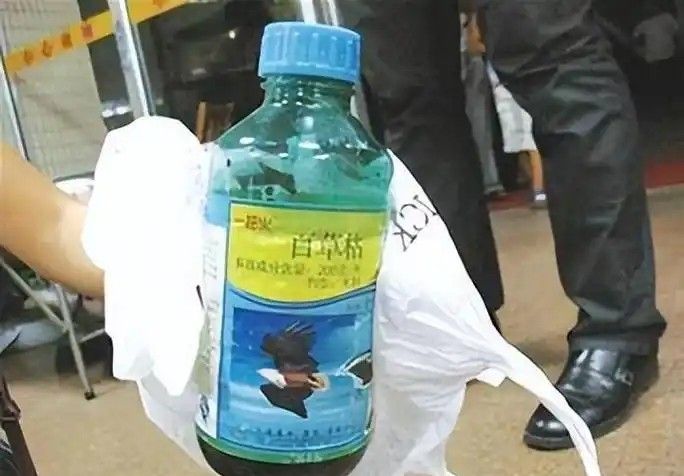
But the reeds themselves said one thing, which was so heavy: "i never thought anyone would drink paraquat." this is not a shirking of responsibility, but a limitation of the thinking of technical experts. They're just staring at the efficiency of weed-killing. How could they expect someone to take it and pour it into their mouths? The pesticide bottle was used as a bottle of drinks, young people who fought with passion, overburdened rural elders, and paraquat became a “end resort”。
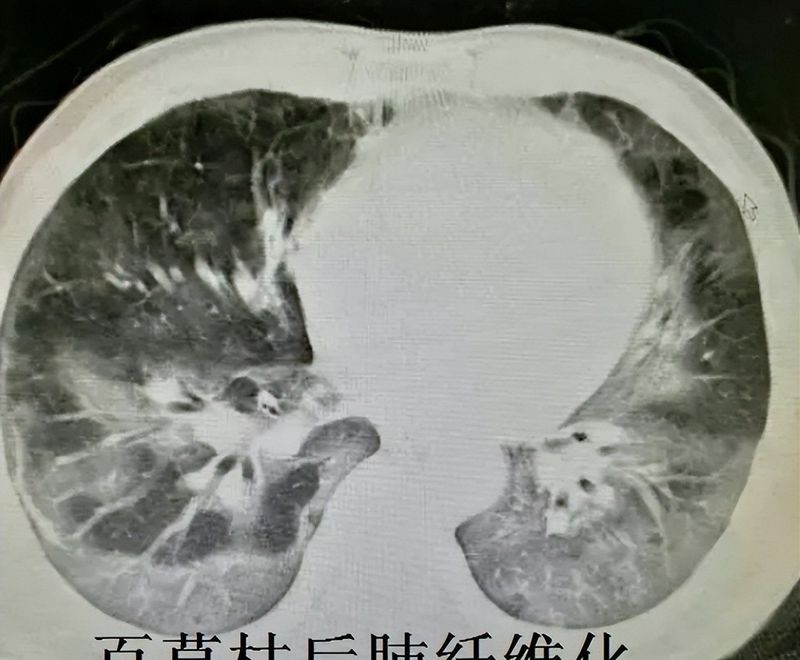
The medical community later slowly revealed its toxic mechanism: paraquat is concentrated in the lungs, causing irreversible lung fibrosis, which eventually kills people alive. You're conscious of the whole process and you can feel a little bit of your breathing deprivation. More than 70 countries around the world were banned, and china was phasing out between 2014 and 2016. The eu ban also states that it poses a long-term risk to workers ' health and may even be associated with parkinson's disease。
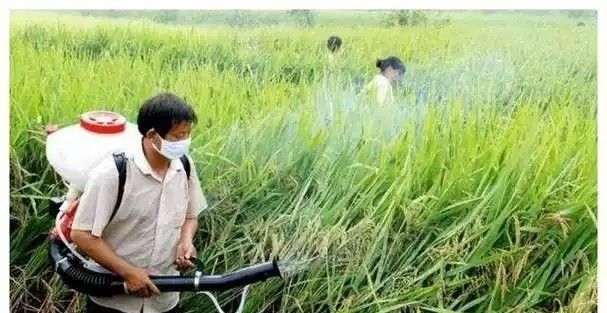
Why does paraquat become a suicide tool? Three reasons are simple: first, the rural area is accessible, cheap and absolutely effective; second, the high death rate is accompanied by a long death process, which in turn reinforces its “fatal” label; and third, rural mental health services are almost empty, economic pressures, family conflicts, desperate people cannot find an exit, and paraquat becomes that exit。
The reeds have changed in their late years. From a technologist to a researcher of safe pesticides, he has also set up the paraquat social responsibility care group and a special fund to help patients with poisoning. This is not a simple confession, but an intellectual rethinking in the face of the reality of the technological reversal: who is responsible for the social costs that technology can bring
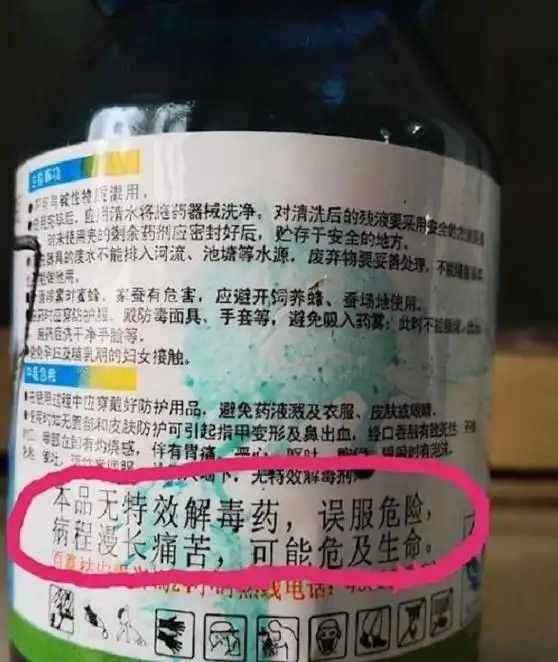
A lot of people ask why paraquat doesn't have a cure. Scientificly, it is explained that its toxic mechanism is oxidation damage and cell decay, and that it cannot be combined with a single special effect drug. The current blood flow, hormone treatment can only be “reversible” and not “reversible”. The only way is not to drink。
How about "one cut"? Indeed, since china was banned, the number of cases of poisoning has decreased dramatically, suggesting that restrictions are immediately effective in reducing high-lethal suicides. But that's where the real dilemma lies: the inventory is not clean, the alternatives are more expensive, and those who seek death turn to other dangerous ways. Dismantling is necessary, but does not solve all problems。
Where's the real cure? I think there are three layers. The first level is science, continuing research on the reversal of lung fibrosis or developing safer alternatives. The second tier is a system for the full life cycle management of highly toxic pesticides, from production to recycling closed loop control. The third level is social, strengthening rural mental health services, universalizing crisis intervention hotlines and improving social support networks. Pulling people back from despair is more effective than taking lives from poison。
Reed's whole life, like a mirror. Technology serves the needs of the times, but is consumed by them. His actions in his later years provided a sample of intellectuals: both regret and action. From ddt to paraquat, human attitudes towards pesticides moved from “tool worship” to “risk management”, not only as a matter of scientific progress, but also as a matter of maturity for social governance。
After all, technology itself is neutral. It is used in the social context and the state of the human mind, which determines whether it is life-saving or lethal. True security lies not in the prohibition of all dangerous goods, but in the creation of a society in which no one needs to resort to them。
What do you think of this? Have you ever used paraquat around you? Let's talk about the era together。