


The mongolian national diet is highly varied. The traditional diet is dominated by milk, meat and food; the share of vegetables and fruit is now significantly increasing. In pastoral areas, milk, meat and food are basically “triple-point”. The semi-farm, semi-pastoral areas are predominantly food-oriented, supported by breast milk, which is relatively small in the agricultural areas。
Milk food, in mongolian, is called “chamende”, and in han, it means “white food”. They are made of natural pure milk of horses, cattle, sheep and camels. They are diverse, tasteful and nutritious. For the food of mongolia, known as the "prefect of every meal", it is indispensable whether it is a home-based meal, hospitality or the worship of the gods of the ancestors。
Wheat, milk tea and cream, cream, cheese and yogurt are the most distinctive daily foods for mongolian pastoralists. And, of course, the famous gravy and whole sheep table. The mongolian nation is very concerned with the culture of eating and dancing, and special messages or hymns are recited at great occasions. Most mongols drink alcohol, mostly white, and as far as beer is concerned, it is “cow drink”. Some areas also drink milk and horse wine. Horse milk tastes good, cool and thirsty, and is the best cold drink a pastoralist can offer to guests. In particular, there is a habit of drinking on holidays or friends. If you're visiting the prairie, it's probably the girls' toast that needs special care. Even people who don't get drunk can get caught up in it。

I'd like you to take a look at this
Mongol rice, called “leparta, mongolia”, meaning “mongol rice”, is processed through processes such as cooking, frying, grinding, etc. It has been recorded in historical books that rice-screwing methods have emerged as long ago as handy. At the beginning of the year, with the further development of livestock, mongolian herdsmen began to eat a wide range of fried rice。
The rice-making method is divided into hard and hard rice. It can also be eaten in a variety of ways, with a variety of food mixes. One way to eat is to eat with milk tea, drink with milk, drink with milk, and eat all the rice in the bowl when the milk tea is enough and the rice is soft. If you put cream, cream, cheese, red sugar on it, it's sweet, it tastes good. The other way to eat is to chew dry, and the more it smells, the more it tastes. With cream, cream, white sugar, it tastes like sesame sugar, and with tofu, it tastes better. The rice is the mongols ' favorite cooked, easy to carry and easy to keep. Before grazing in the morning, a bowl of fried rice was made out of hot milk tea, which was filled with sweat, and the spirits multiplied. While grazing, the shepherds brought rice with them, and the rice with a well-cooked black beans or soybeans, while grazing and chewing on the rice, amounted to an excellent dry grain。
Milk tea (known as “sutai cai”), is a daily tea for the mongolian nation and a necessary drink for its guests. This is generally done by placing brick tea in the pot to make it purple red, and then putting fresh milk (in addition to the usual milk, with goat or camel milk) in tea, roughly six to one, which is the case. Whatever it takes, salt or sugar. Milk tea is nutritious and has the effect of agitation, appetizers, digestion and thirst relief。
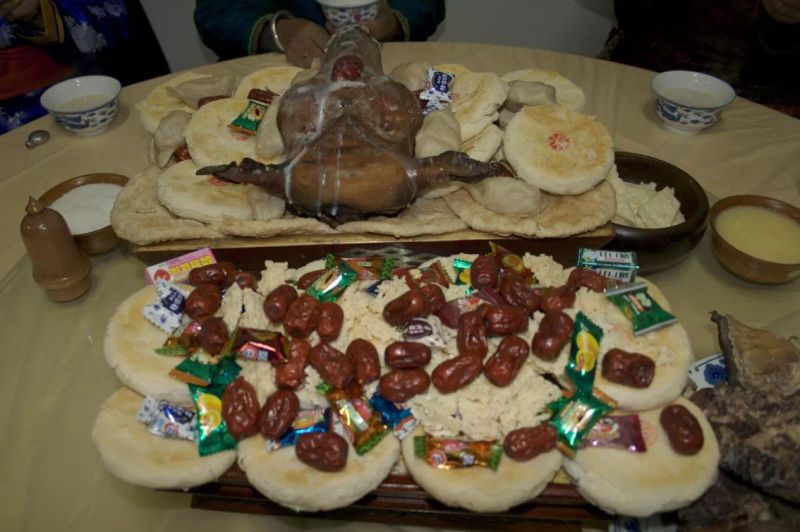
♪ it's the ordos style ♪
Cream, make and name more. Milk is usually fermented in containers such as drums, cans, etc. It may be difficult to use a special cream separators when they become acid (in the past they were used as a mixer container with large drums or tatters, with a mixer bar with a disk, and then put on the middle with a tattered plate seal, which can then be repeated several thousand times up and down. It is now largely mechanical, and some are also using washing machines; the white oil that floats on it is butter when it is separated from each other and has been produced with special electric devices. It's a fragrance of rice. Putting this cream in the pot and washing the rice in the right amount, slowly mixing it so that the composition of the milk can be removed and a yellow, clear oil, which is butter (in the words of “sharzhtos”). The sediment beneath the butter is called sodium, especially sour sweet. Butter is the essence of milk because it is so delicate and soft that it is also called sour. Butter contains abundant proteins and vitamins, hot summers, winters against cold, and treatment for burns, diarrhoea, etc., and has a long shelf life。
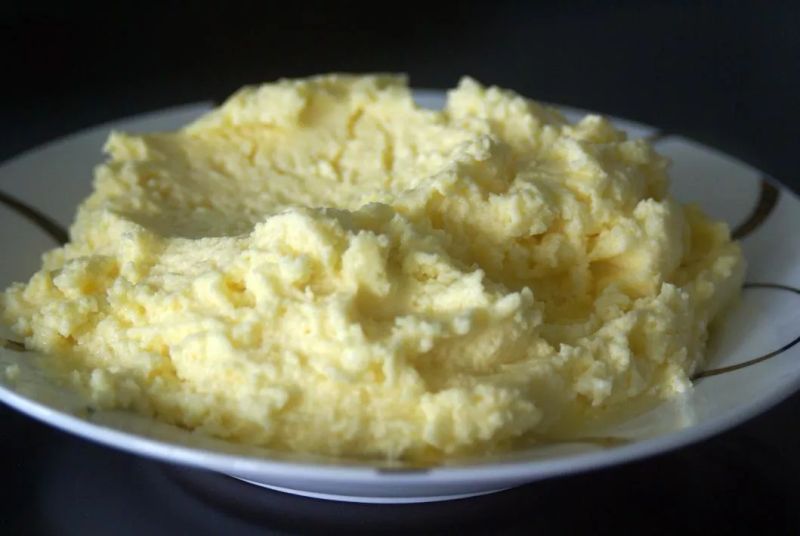
"chatantaus."
There are two types of milk (in the language of "sweet"): milk, milk or horse milk, camel milk, goat milk placed in the vessel for a day or two and, when the milk is sour, a thin sheet of skin is formed on the surface, also known as "thouette lumber" or "sweed", which is used as a material for butter; and fresh milk, which is boiled with a small fire, which is then repeated with spoons, and milk. Until the milk is released from the condensed material, the fire cools, and after hours, the beehive-like skin is condensed into shape, which is then slowly provoked with chopsticks, dryed with the milk on it, ready for folding and ready for consumption after drying. It's called the "bolletson ogre" or the well-coated cream. The cream tastes sweet, and it's the best food for the fried rice. Not only are they nutritious, they also have a medicinal value. "the skin properties are cool, and they have the ability to clean their lungs, to stop thirst and cough, to color their hairs and to cure the vomiting of blood."
Tofu (one of the formulas for cheese in the morna) is made of sour milk extracted from cream which is boiled in a pot, evaporated and the milk is gradually condensed, and then fed into various shapes of the tofu model, which is fixed and dry. There is also the cooling of yogurt with heat, which is then filtered and squeezed into a thick pocket, which is then condensed and suppressed into various forms of tofu. Tofu can be sour, sugar is sweet when produced, and no sugar is sour. Dry milk tofu can be stored for long periods of time, can be eaten on a day-to-day basis with rice and tea, and can be used as dry food for grazing or travelling. Milk tofu or cheese is a good cure for thirst and hunger and an antidote. When the mongols marched miracles across a thousand miles of desert, most relied on this solid milk。
The yoghurt milk (in chaga or aijge) is one of the best drinks in the pastoral area. Herders generally do not drink fresh milk but sour milk. There are two ways to make it: by pouring fresh milk into a big pot, burning it down in the air, making it fermented and making it sour; and by placing fresh milk in the sun or in high temperatures, fermenting it hot and sour, making it sour. The yogurt is sour and cool that it can be cooked or eaten with rice. Drink regularly in the summer, dry fire, help digest。
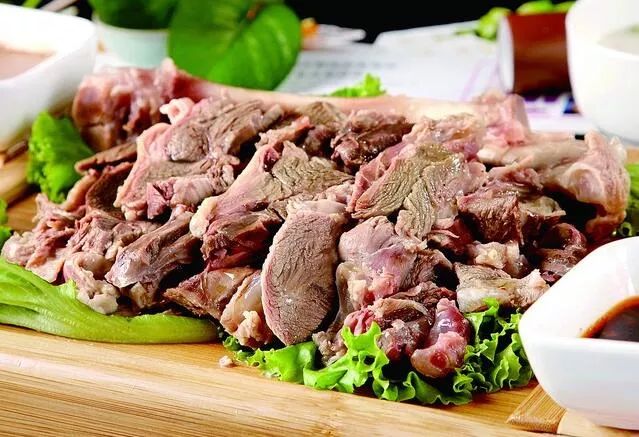
All meat products are covered by mongolian red meat (“ulanid”). Handpicking is a food that the mongolian people often eat for dinner. This has been done by dividing the oxen and sheep with bones into large pieces, which have been boiled in white water (generally salted and peppered). When they were cooked, they were taken to the table, and each one of them was cut in large pieces. It's famous for eating without chopsticks。
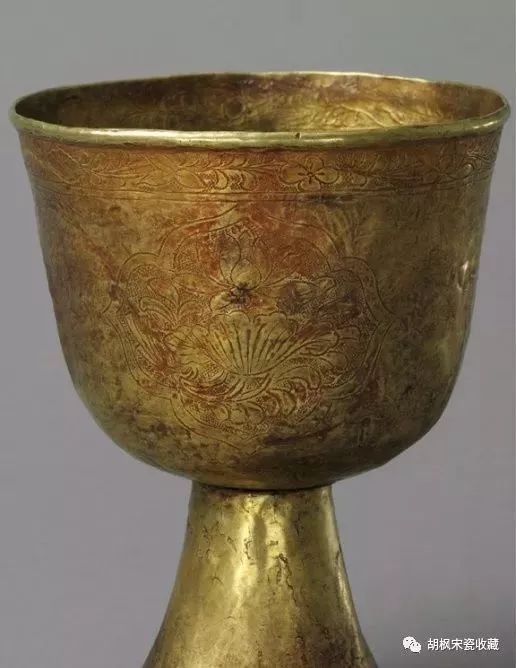
Drinking and eating meat is the traditional way in which pastoralists show respect and affection to their guests. When you set foot on the grassland and walk into the mongol bag, the warm and entertaining shepherd will drink. In silver bowls or gold cups, to the long hada, to sing a cheering song to the people, and to welcome the guests from far away in order to express their sincerity. It is the right of the guests to catch the cup, then to drink it, and then to taste it, and then to return it to the owner. If you push, pull, drink without reason, you are considered a disgrace to the master. Just be honest. The great enthusiasm of the masters often creates a sense of love and affection among the guests。
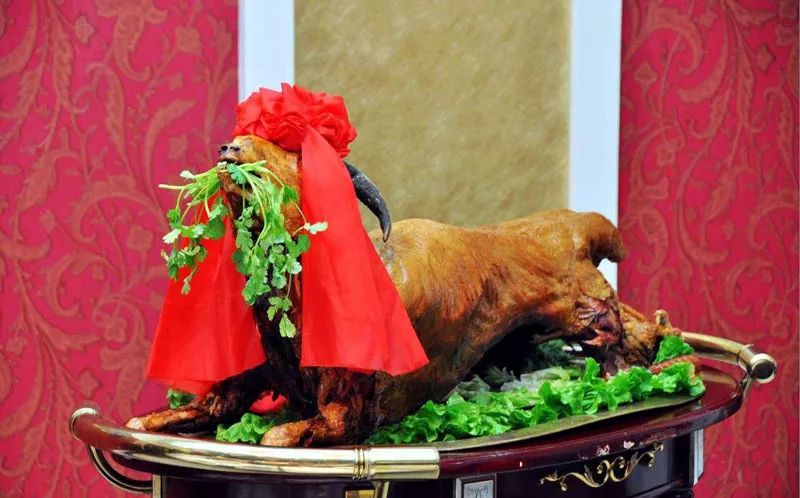
The full sheep seat, also known as the whole sheep seat (in mongolian as “bulshawle” or “soss”), is the traditional gift of mongolian hospitality to distinguished guests and the oldest and most solemn feast of the mongolian nation. It is usually set up only at grand parties, grand gatherings, weddings or receptions for high-ranking dignitaries. And the sheep are processed and placed in a rectangular wooden plate, like a rectangular sheep, which tastes beautifully and is full of incense. Before dinner, the guests also perform certain rituals, sing hymns and recite the whole sheep. It has been documented that genghis khan had set up a full sheep feast. And when kublai came to the throne, he set up a feast of sheep for the gods and for guests. The qing dynasty feast has become more popular and is now the most popular and well-known dish of mongolian national style。
The roasting of full goats and roasted lamb legs is a dish of the mongolian people in the inner mongolia region, particularly in the area of the aryan league. The whole goat is baked by pulling out the insides of the sheep, skinting their hairs, and making them with all kinds of sauce in a specially made stove made of “saga-soo”。
Milk and horse wine are usually made from the milk of horses, cattle, sheep and camels. You've got plenty of horse milk. Traditional brewing methods are mainly based on impact fermentation. This method is said to have been created at the earliest because pastoralists often carry milk in their skins in order to protect themselves from hunger and thirst while travelling or moving. As a result of their running around the day, the milk in their skins is shaken and fermented, sweet, acid, spicy, and hypnotic. As a result, a system of milk brewing has gradually been explored, whereby fresh milk is filled in containers such as leather bags or barrels, and the wooden rods of the bottom cortex are constantly strewn, increasing the temperature of the milk in a violent and volatile impact, resulting in fermentation and separation, slaging, and clean milk floating on it, making it a tasteful milk. In addition to this fermentation, there is the distillation of strong milk wine. The distillation method is similar to the method used to make white wine, usually by pouring fermented milk into the pot to heat, with a bottomless bucket or a barrel mask made up of purple willows and euphemisms, with a cooling water basin or pot in the mouth, with a small canister in the barrel or a trough like a kettle on the barrel. The milk in the pan is evaporated by heat, the vapour rises to condensate and drops out of the small cans or vials of the drums, and becomes milk. The milk made with this distillation is higher than the milk made with direct fermentation. If this pot of milk is distilled several times, the degrees will increase. The brewing and drinking of horse milk (in tsago) is mainly during the summer and autumn season, when weeds are rich and cattle are strong. Horse milk is generally translucent, with a lower alcohol content, “with white wine of its colour” and “smelling fragrances, swarms”. Not only do they taste round, sweet, fragrance, but they also have thermal effects of cooling, active blood, stretching, stomach and lungs. It was also stated that frequent consumption of horse milk can cure diseases such as stomach ulcer and tuberculosis. Ma's milk has been well received by herders since ancient times and is an important drink for their daily lives and for their guests on annual holidays。
♪ i can't believe it ♪
What i'm saying is that it's just a charade. As a large diet, the content includes more natural traditional collections. As a very national system of catering, it is often fragrance and accompanies the song and dance, with greater savannah culture. Not only does the charade create a strong and strong body, but it also displays a warm and radiant national identity. The unique mongolian national eating culture also means green and natural “clean” features, and in many ways closer to western eating traditions, making it inevitable to move to the world through modern management tools and new modes of operation。
On 16 april 2017, the association of catering and hotel industries of the autonomous region of inner mongolia held a press conference announcing the official inauguration of china's ninth largest restaurant system, the “customs of courage”。









