


In order to help a wide range of laboratory users understand the advances in the forwards of the excreta and its innovative technologies, infonet successfully organized on 12 august 2025 a web-based seminar on the theme “progress in the application of the first advances in the innovation of the excretion of the human body”. In particular, 14 reporting guests were invited to discuss and exchange views on new approaches to the detection of new technologies, as well as on progress in the application of mechanisms for research, disease diagnosis, standardization and patenting。

At the request of the wider audience, the organizers of the conference, with the agreement of the report guests, collated the video of the conference and replayed it for the benefit of practitioners. (some of the reports are not available. Please understand.)
View links:
Https://www. Instrument. Com. Cn/webinar/video/collection/11711 (click on)
I. New methods of excretion separation
Separatization and identification are the first steps in basic research and clinical applications related to the excreta. The meeting invited, inter alia, three reporting experts, yang fok-chung research fellow, institute of biophysics, chinese academy of sciences, professor liu tingbin, nanchang university, and yuan hui-ming research fellow, guangzhou institute of biomedicine and health, chinese academy of sciences, to share the best of the new methods of excretion separation。
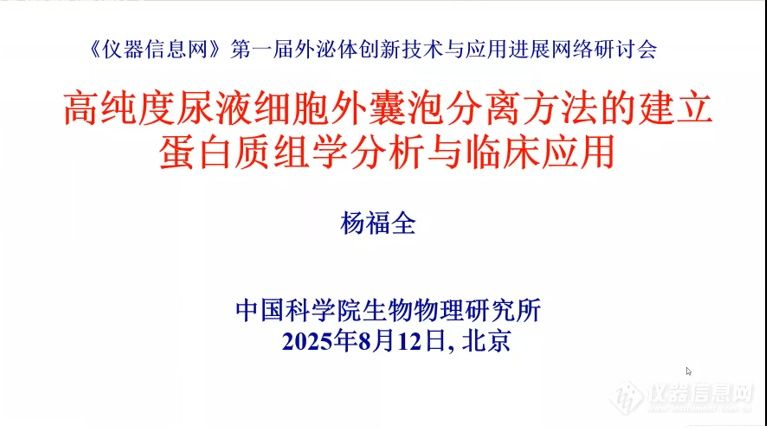
In recent years, small extracellular cysts (small urinary extracellular vesicles, suevs) in urine have become hot spots for the study of urology system diseases. In his report, the general fellow of the institute of biophysics of the chinese academy of sciences, yang fook, provided a detailed update on the progress of his team in developing methods for the separation of high-purity urine cells, systematically comparing and optimizing the separation methods of the four suevs and their subsequent solution enzymes cutting strategies, establishing a complete experimental process applicable to the study of urine suevs proteomics, and providing critical support for clinical marker excavation and diagnostic studies of urin system diseases。
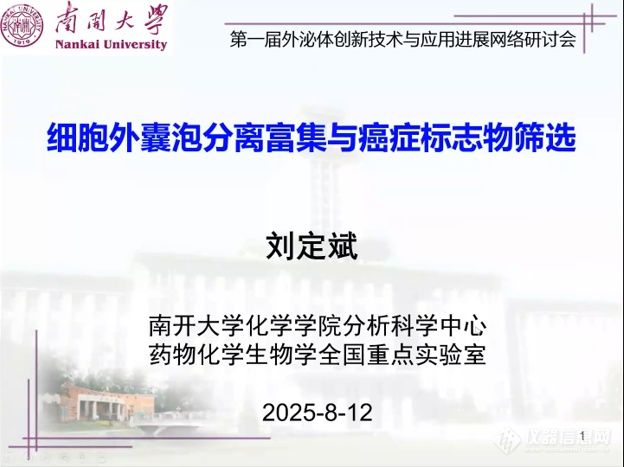
The separation of the phosphorus lipid membrane recognition ev is characterized by low membrane protein recognition recovery, specificity and high antibody requirements. The phosphate group is inert and difficult to identify. In response, a team of professor liu tingbin of the university of nankai has developed a new ev enrichment technique that reverses the twin positions and has developed a commodified magneto-fascist cyst separation reagent and automated cyst extractor (eeae-t2 fully automated excreta extraction purifier), which can be used for detection in 10ul samples of body fluid. This group has expanded its use for the early diagnosis of bladder and colon cancer。
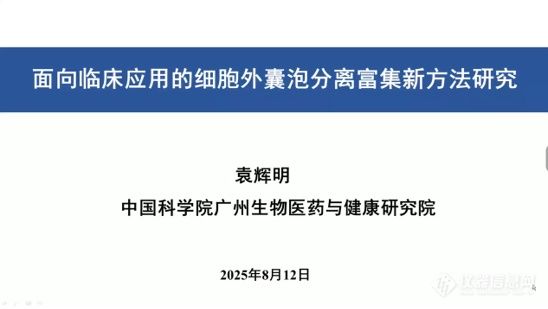
Traditional separation methods such as hypervelocity centrifugalization and polymer co-deposition have low purity, recovery, flux and yield, limiting their clinical application. On the basis of the size and surface charge characteristics of the ev, the team of yuan hui minh fellows of the guangzhou institute of biomedicine and health of the chinese academy of sciences has developed a series of efficient, moderate ev separation enrichment methods that are expected to provide important technical support for research on different clinical applications。
Ii. New advances in techniques for the detection of endocrine signs
The process of excretion studies, as a fine, systematic project, covers several key elements and, in addition to core extraction and purification steps, signs are indispensable in scientific research. In particular, the meeting invited three reporting specialists, vice-professor yu fai of shanghai university of transport, associate professor chen hui of joadan university and assistant engineer mao, research institute for analysis and testing, beijing city institute of science and technology, to report-sharing around single-particle imaging techniques, ai spectra, nanoparticle tracking and analysis techniques。
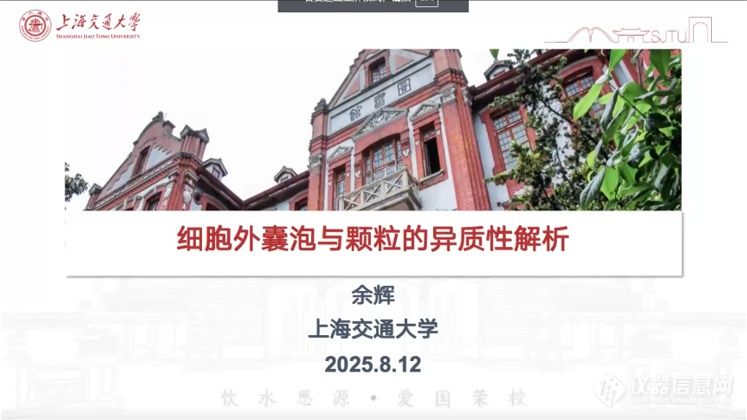
With the development of analytical techniques, an increasing number of small particles of ocular cytocyte bubbles and extracellular particles (extracellular velicles and parties, evp) have been identified, but precise analysis of evp is extremely difficult. The team of assistant professors from the shanghai university of transport and communications has proposed new methods for identifying and analysing different evp subgroups using single-particle imaging techniques for multiple characterizations of particles, membranes and proteins at single-particle scales, as well as for inter-characterological correlation analysis. The methodology has potential applications for improving quality control of samples, diagnosis of precision diseases, etc。
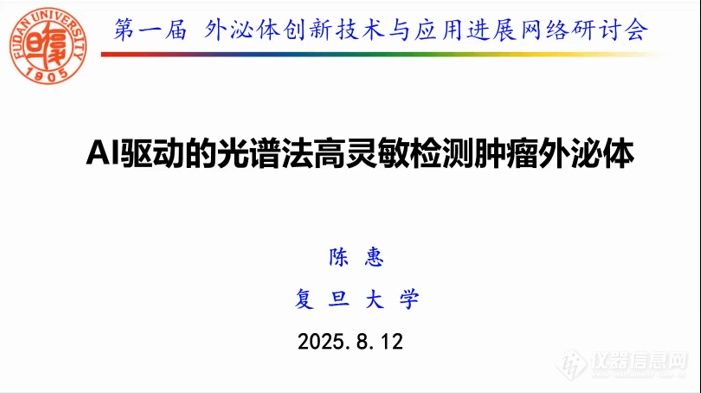
With the aim of early diagnosis and treatment of tumours, assistant professor chen kei of the university of jordan innovatively proposed new strategies for the design of biological sensor interfaces to address key scientific issues such as the precision identification of tumor marker units in complex samples and their high sensitivity detection of key inner molecules. The new methodology uses ev spectroscopy, combined with large-language models, to diagnose diseases such as hepatic cell cancer (hcc), based on enhanced integrated learning and deep learning algorithms for ai intelligence, through the magnification and enhancement of weak signals。
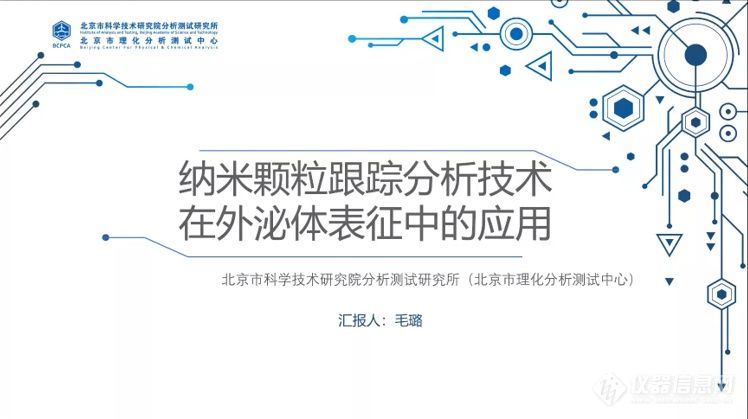
In its report, the assistant engineer mao, research institute for analysis and testing, beijing city institute of science and technology, outlined the principles of nanoparticle tracking and analysis of nta technology and its main applications in the biological field, as well as the usual methods used to map ev particles and concentrations in nta technology, which have the advantage of being quick and precise. At the same time, she stated that nta technical measurements were vulnerable to a number of factors, including sample concentrations, camera parameters and the dispersion of samples。
Iii. Emergency and contact applications
Endocrines are highly visible in the treatment of diseases and in the development of disease markers because of their natural advantages, such as the carrying of tissue-specific information material, lower tissue-exclusion and easy access to blood-brain barriers. At the conference, professor zhang zhang zhang, professor deng zheng, gangnam university, and professor ma zhang, jilin university, respectively, shared the latest research progress in the field of excretion targets and target detection, the construction of drug couriers and the precision diagnosis of children's asthma。
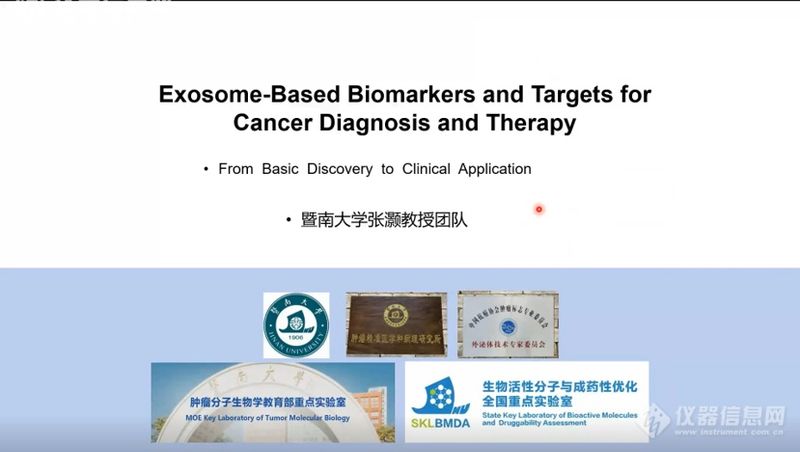
In his report, prof. Zhang zhang, university of south africa, noted that ev was not random but selective in content and membrane protein. The team developed the ev vaccine for oesophagus cancer, in conjunction with its highly plastic and adaptable properties. With the fire in the application market of the ev, professor zhang also pointed to a number of issues requiring attention, the unknown toxicity of the ev, the risk of potential tumours, the response to immunotherapy and its effectiveness, which prompted further reflection. He also raised issues that required attention in external development, such as the application of nanocysts to tumours, uniform standards and costs of ev medical care, specialized delivery of nanopharmaceutical delivery systems, and stability in the storage and transport of ev products。
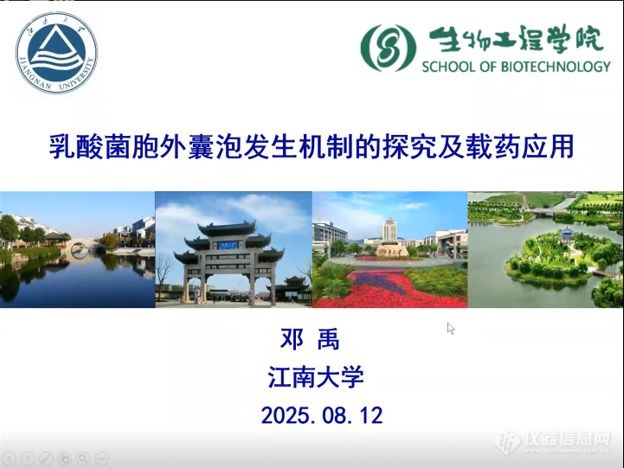
It is hoped that the ev-sourced cell cytocyte will become a promising oral and mucous delivery platform. The team of professor dungeon of gangnam university developed a synthetic biology strategy for membrane mobility enhancement combined with remodelling of peptite, which resulted in a 245 per cent increase in ev production compared to wild strains. Moreover, the ev produced by the engineering strain showed excellent gastrointestinal stability, and the ev-guided oral peptide drugs were treated with equal efficacy to subcutaneous injections, highlighting the potential of the fungi ev to deliver peptide-type drugs for therapeutic purposes。
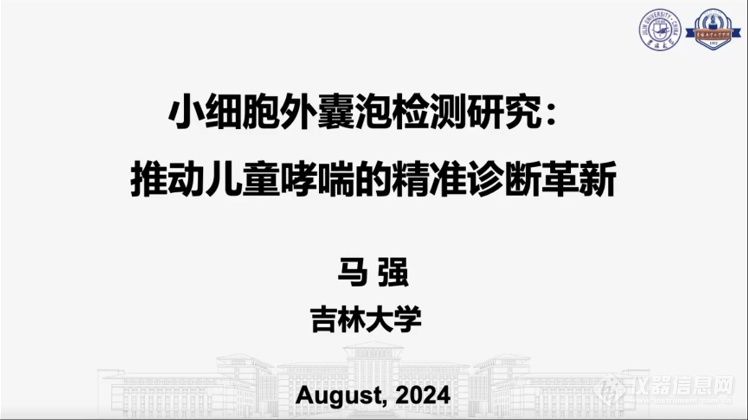
Children's asthma, as a heterosexual respiratory disease, is diagnosed with the challenge of poor resistance to invasive sampling and low sensitivity to biomarker detection. A team of professors from the university of jilin developed a nano-enhanced electrochemical lumber (ecl)-based saliva small cell (ev) sensory platform, which has led to effective diagnosis of asthma through innovative nanomaterial design and signal magnification strategies, with the test advantages of “saliva-free”, “child-friendly” and “multi-marked combinations”, providing new technologies for home monitoring of children's asthma and non-conceptive diagnosis. The technical system has been extended to the diagnosis of glycomas (evs) and gastric cancers (evs) and the application of the advanced nano-enhancement ecl platform for the active detection of cytocyte cytocytes in nerve and gastrointestinal cancer。
Standardized construction and patent layout
At present, the excreta of the excreta is at the centre of scientific research and medicine, with its enormous potential for application, and the process of research and development and clinical trials is rapid. However, due to the diversity of the functions of the endocrine body and the variety of purification technologies, the global regulatory model is complex and highly variable, with fragmented patterns of regulation and an urgent need for standards and industry consensus on the quality of the endocrine body. To this end, dr. Zhou shwe, a researcher at the national nano science centre and a partner at beijing pleasant and intellectual property agency ltd., was invited to make a very good presentation on the standardization of the development of cytological cytocyte-based cystical products and related intellectual property protection。
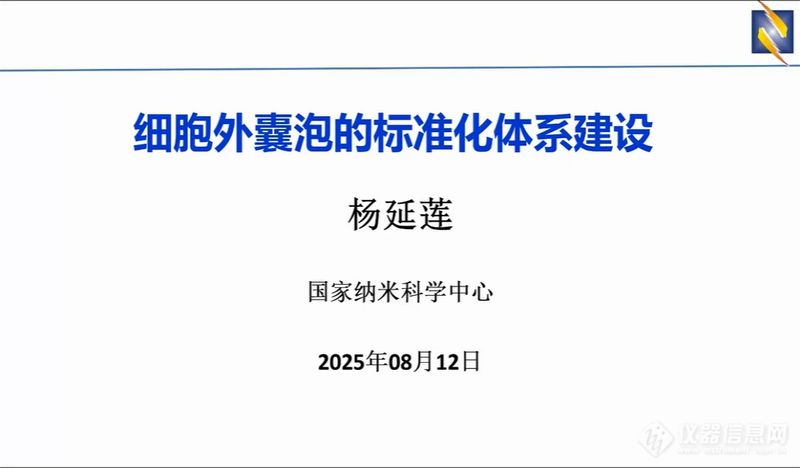
The core features, multiple application values and key current challenges of the yang yanlian researcher at the national nano science centre were read in depth. In the report, she noted that key information such as protein, nucleic acid, which stabilizes the ev from its source cells, is a valuable biological marker for disease diagnosis. The ev itself, from sources such as stem cells, immunocells and so on, is rich in therapeutic molecules and is an important advanced therapeutic drug. At the same time, she stressed that the high heterogeneity of the ev posed serious challenges to ev's manifestations and testing research. She called for the urgent need to establish a standardized methodological system to regulate the ev display, testing and quality control processes. The innovative drive and sustainability of in-depth academic research and industrial development in this field can be effectively ensured by the construction of a well-developed system of standardization of ev。
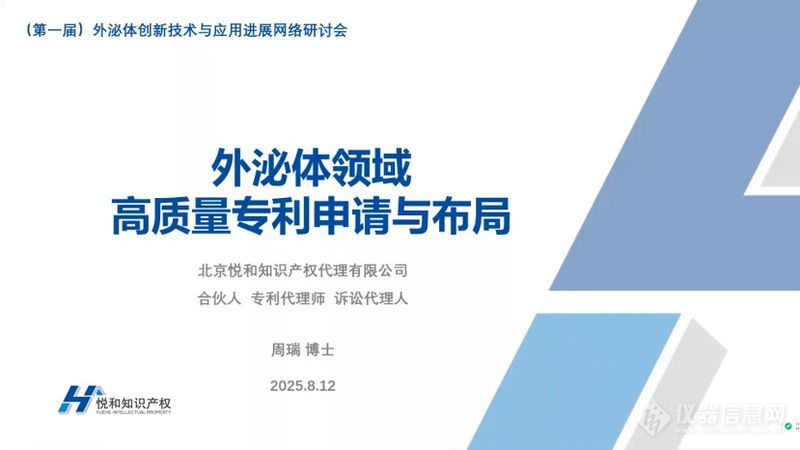
Standardized testing and quality control is the beacon for academic research and industrial development, while intellectual property protection is the moat of patented technology. Dr. Zhou swe, a partner of beijing pleas and intellectual property agency ltd., analysed the current status and challenges of patent protection in the field of excreta, shared the thematic excavation of patent applications, application procedures and strategies, and patent risk identification and response, provided researchers and business units with a workable idea of patent layout, helped to improve the quality of patent applications, built core technical barriers, promoted the transformation and industrialization of technological achievements, and provided intellectual property protection for innovative development and applications in the field。
V. Innovative solutions for the excreta
And those who want to do good deeds, they will surely be able to take advantage of their means. The application engineer suncasing, the product manager wang xue and the beckman kurt senior applied engineer sensi, respectively, brought up-to-date technological products and innovative solutions under the corporate umbrella, providing advanced technical support for separation purity and multi-parameter representation of cell cytocytes。
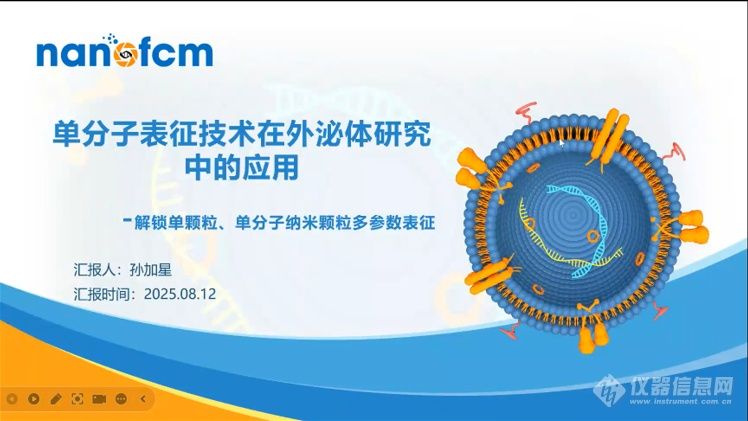
The excretion is characterized by small particles and high heterogeneity, which require in-depth study with high sensitivity and high flux multi-parametric ev representation techniques. In its report, sun gasing, the applied engineer of xiamen flow biotechnologies, first examined the nanoparticle analysis needs and common problems based on the “miflowcyt-ev” framework, then highlighted the technical advantages and application cases of the nanofcm nanometrometer, with the advantages of single particles, low sample depletion, multiparameters, high flux, rapid testing, etc., which greatly compensated for the problems of traditional methods。
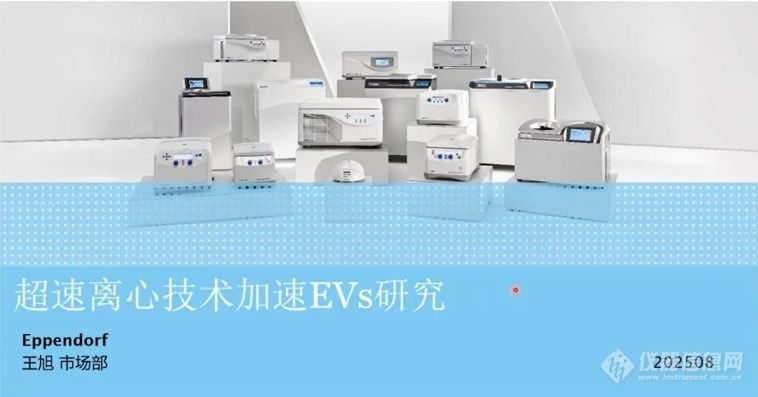
In his report, wang xue, manager of eppendorf products, mentioned the diversity of samples of cytological cytological cytological cytological cytogenesis, both in body fluids and in cell bacterial cultures, as the presence of endocrine disruptors is different from that of specific subjects. The hypervelocity centrifugal method has been the most widely applied and the most widely cited excreta separation technique has been of concern. Eppdendorf can provide various types of hypervelocity that can effectively isolate the endocrine disruptor and remove barriers to research. It is accompanied by a variety of consumables that meet the need for different temperature pressures in preparation. The instrument itself has a centrifugal duration, etc., which records different rates of rotation and provides more reliable full-scale data for experimental analysis. Devices bring their own defrost, etc., to simplify daily maintenance costs。
In its report, hsmin, the beckmankult senior applied engineer for life sciences, first briefly described the international guidance for cytological exterior cystic bubble research misev2023 and indicated that the different models of the beckmankult hypervelocity centrifuge and the accompanying experimental programme met the requirements of the guidance. He then focused on the cytoflex nano nanoflow analyser and demonstrated concrete examples of its application in the ev study, including how to help researchers make breakthroughs in biomarker discovery, disease diagnosis and treatment strategies。
The meeting received special support from python dynasty incubator ltd. In beijing, and thanks are acknowledged。









