


The excretion is a cell-generated nanocell cytocyte cystals that can act as natural drug carriers with the advantages of nanoscale sizes, biodegradability, non-toxicity, internality, low immunogenic properties, high carrying capacity and ability to cross the blood-brain barrier compared to the currently widely used nanocarriers。
How can chemotherapy break the blood-brain barrier in the face of high mortality and re-emergible cerebroplasms, go straight to the stove and lock the tumor cells precisely
In recent days, the chinese academy of sciences institute of nanotechnologies and nanomics (hereinafter referred to as the suzhou nanomiya institute) has designed and developed an engineeringly modified excretion that can be filled with chemotherapy to penetrate the blood and brain barrier and can target both the inside skin and the inside of the brain。
Relevant research papers were published in the journal of the exterior cells。
Research in the field of endocrines has continued to warm in recent years, being a “new pet” for major biobusinesses and investors, particularly in the engineering and retrofitting course, almost “a blue sea”, while the new type of engineering chemicalized excretion developed by the quixuan team can increase the target orientation of oncology stoves, thus increasing the concentration of therapeutic drugs in the stowage areas to achieve optimal therapeutic outcomes, providing new perspectives and ideas for the engineering and retrofitting of central nervous system diseases。
Two barriers prevent chemo from reaching the stove
Emulsive tumours are tumours originating in neurogel cells and are the most common primary tumours within the skull. The annual rate of cerebrogeloma in the country is between 5 and 8 per 100,000 inhabitants, and the five-year rate of death is second only to pancreas and lung cancer in the whole body of tumours, causing enormous harm to human life and health。
At present, the treatment of cerebrogeloma is mainly surgically excised, but due to the tumour's high inoculation, rapid growth and enhanced vascular capacity, cerebrogeloma cannot be removed through routine surgery, resulting in poor prognosis and short lifespan。
In order to effectively curb the growth of tumours and to prolong the life of patients, chemical medication (hereinafter referred to as chemotherapy) is one of the most important means of treating cerebrogeloma after surgery. However, chemotherapy, in order to reach brain gelatinous cells, has to face two natural biological barriers, namely the blood brain barrier and the brain tumor barrier。
“both of these barriers severely impede access to chemotherapy, especially the blood and brain barrier, which prevents almost all large molecules and 98 per cent of small molecules from entering the brain tumor area, and significantly reduces the effectiveness of chemotherapy. "a member of the team, dr. Namison of suzhou, chinese academy of sciences, presented zhu's wings。
Moreover, most traditional anti-cancer drugs are very biologically toxic in themselves, and scientists need to address not only the delivery of chemotherapy to the stoves, but also the reduction of its biotoxicity to the human body during transport, which is an urgent problem for drug delivery systems。
There's a great potential for the excruciating body to act as a courier
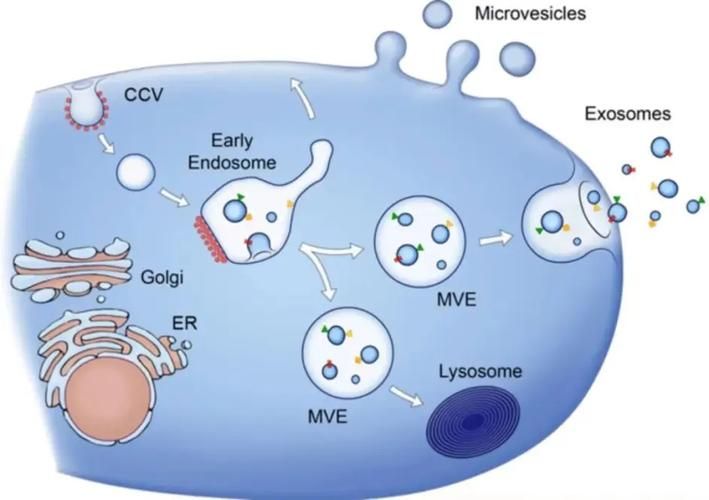
The excretion is a cell-generated nanocell cytocyte cytocyte cytocyte cytocyte cytocyte cytocyte cytocyte cytology, rich in bioactive components such as proteins, nucleic acids and lipids, which play an important role in intercellular signal transmission。
However, when it was discovered in the 1980s, it was considered a “waste” of cell metabolism. With the deepening of the study of the excreta, the 2013 nobel prize for physiology or medicine was awarded to three scientists who contributed to the study of mechanisms for regulating the cystic transport, at a time of unprecedented interest。

In recent years, as industrialization and research advance, the excreta has become a huge “windfall”. At present, the application of the excretion is explored mainly in the diagnosis and treatment of diseases. Of these, endocrines are among the most important directions of concern。
Cheng jianxing told technology daily reporters that the excretion is a nanocellular cytocyte cytocytes that can be decontaminated in almost all cells and can be used as a natural drug carrier, and has the advantages of nanoscale size, biodegradability, non-toxic, internal origin, low immunogenicity, high carrying capacity and ability to cross the blood-brain barrier, compared to the currently widely used nanocarriers (e. G. Lipids, high-molecular nanocarriers, etc.)。
However, the excretion is not perfect, and it lacks natural target-oriented capability in the absence of specificity. At the same time, under an intravenous regimen, most of the excrete is “eat” in the liver due to lack of a specific target, leading to a significant reduction in the delivery of the excrete drug。
Therefore, for the use of the excreta as a drug carrier for treatment of diseases in the central nervous system, researchers must develop the target-oriented function of tumour-specificity and organ-specificity for the excreta in order to increase drug concentrations in the region of diseases in the central nervous system and thereby achieve efficiency reduction。
There's still a long way to go before the official "onboarding". Come on
Cheng zhongxing described the development of a dual target of angiopep-2 and tat for functional excretion and its application in the study of the treatment of cerebrogelomas in response to the properties of the excreta themselves and the need to treat diseases of the central nervous system。
Of these, the angiopep-2 polyazole can be uniquely targeted at low-density protein receptors (lrp-1), while the lrp-1 has high expression levels on the surfaces of cerebroplasia cells and cerebrovascular skin cells. In addition, the transfilamental peptide tat can further increase the permeability of the hemocephalo-brain barrier and the penetration of oncological tissues。

Using in vitro monocellular cultures, the transwell (a membrane filter) model of the in vitro brain barrier, the in vivo mouse subsothelioma model and the in situ neoplasm model, the team confirmed that the engineering excrete can efficiently penetrate the brain barrier and have a good target delivery capability for the encephaloplasia area。
In addition, in order to assess the efficacy of the dual-directionally functional excrete carrying acin, the team injected the disease model mice with acin-carcerated dual-targets with 21 days of treatment and observation。
Team studies have found that dual-target functional excretion can increase the efficacy of drugs to treat in situ cerebrogeloma, significantly inhibiting the growth of cerebrogeloma and effectively prolonging the survival of mice. At the same time, dual-target functional excretion can effectively reduce the toxic side effects of drug treatment。
As an emerging subject of research in the field of biomedicine, there are many limitations to the study of the excreta, and there is still a long way to go in the future。
Cheng zhong told journalists that the current laboratory separation of purified genres is mainly based on hypercentrify, but that the production and efficiency of the excreta are too low, and how improvements in cell engineering and screening methods can increase the production of the excreta, which is the main direction of research and development in the field。
At the same time, the toxic effects of the excretion are low compared to other vectors, but the differences in the excretion from different cell sources are relatively high, and the safety of the application of the excretion to disease treatment requires more assessment of the earlier work; the excretion is from the cell, so how do the contents work when they are destined to carry the various substances of the host cell? Or how to remove, to the extent possible, interference with the contents is also a problem for the excreta as a carrier。
In addition, as the most important organ in human metabolism, almost all drug couriers are transported to the liver, which has a strong advantage in the treatment of liver diseases, but for other organizations or organs, the problem of liver amputation will have to be faced, and effective escape from the liver requires further study。









