


I. West week overview:
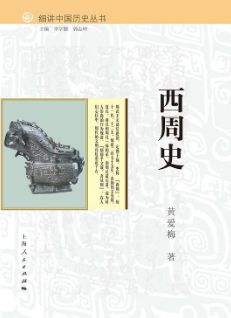
West week (1046 b. C. - 771 b. C.) was founded by queen zhou, the son of zhou wen, and went through 11 generations of 12 kings, approximately 275 years, until the king was killed by shin hao and dingo in 771 b. C. It was decided to build zhou looyang in changkyung and fongkyung (sixi anxie) and zhou cheng wang in five years. The week before the east move was historically called west. Zhou dynasty was the culmination of an ancient chinese society. From the beginning of the week, the process of integration of the various nationalities and tribes in the country began, during which the huasha became the predecessor of the modern han people. From sunday onwards, the process of integration of the various ethnic groups and tribes in the country began, along with many other ethnic minorities, including razed, brutal, vietnamese, zengdi, zhu and dong hu. The most typical system is the western nun field, which began to break down in the spring and autumn, and in the war-torn countries it became common counties. Social tensions in the latter part of the week included growing tensions within the ruling bloc and competition for land and power, which accelerated the demise of the west. In the 771 b. C., zhou zhou zhou zhou zhou zhou zhou was killed by dogs and killed. In 770 b. C., shin and a number of others made zhou ping the king the monarch, who moved the capital from zong zhou zhou zheng dong to cheng zhou luyang, and historically called the dynasty of zhou after the east move as east zhou。
The impact of western week on china's history has been far-reaching, mainly in the form of a splitting and patriarchal system. Many of china's old surnames have so far originated in the qin era, such as chen, zai, zhao, qin, wei, zheng, ji and kang. Family systems, rituals and so on are also gaining ground. Research on western history is based mainly on archaeological and classical information, and by studying objects, gold and a small amount of cassiterite, we can speak to our ancestors thousands of years ago。
Relevant bibliography recommendations:
" the origin of chinese civilization " , su jingji, 1999 edition of the triple bookshop
" china's early country " , shevyan, zhejiang people's press, 1995 edition
" research on ancient chinese civilization and nation formation " , editor-in-chief, li xiaoqin, yunnan people's press, 1997 edition
" china's ancient social studies " , guo moo yeo, people's press, 1977 edition
Hu jin woo, shanghai people's press, 2003 edition
West chow history, yang kwan, shanghai people's press, 1999 edition
West week history, xu xianyun, 1994 edition of triple bookshop
"the tale of the qin of the presbyterian history", suh nakasu, barn books, 1992
History of chinese slave society, kim kyung fong, shanghai people's press, 1983 edition
The death of west chow, li feng
References:
Bibliography
2. Booklists. Contents









