


In china's history, the zhou dynasty lasted nearly 800 years (about 1046 - 256) and was the culmination of a slavery society and an important foundational stage of chinese civilization. Zhou dynasty is divided into western and eastern weeks。
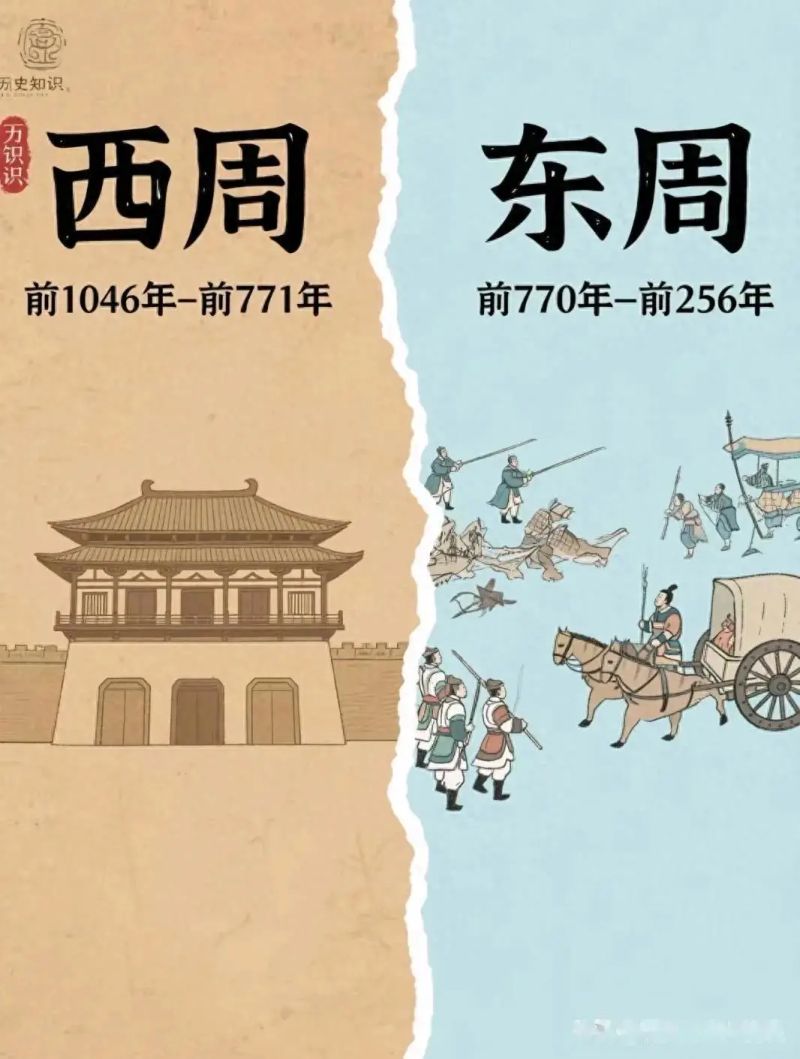
I. Boundary point: the relocation of zhou ping wang east to lolo
In 771 b. C., the late monarch zhou qiang of the west zhou dynasty was attacked by the dogs (north-west nomadic tribe) and killed in the capital city of zhengjing (near sha xian today)。
During the reign of zhou's qiang, civil strife was caused by the gloom and the loss of confidence by the zhou zhou zhou zhu zhou zhu zhou zhu zhu zhu zhu zhu zhu zhu zhu zhu zhu zhu zhu zhu zhu zhu zhu zhu zhu zhu zhu zhu zhu zhu zhu zhu zhu zhu zhu zhu zhu zhu zhu zhu zhu zhu zhu zhu zhu zhu zhu zhu zhu zhu zhu zhu zhu zhu zhu zhu zhu zhu zhu, and zhu zhu zhu zhu zhu zhu zhu zhu zhu has been discredited zhu zhu zhu zhu zhu z。
After the dog invasion, king zhou ping, the son of zhou zhou zhou zhou zhou zhou zhou zhou zheng, moved to lau zheng (southern loyang in today's river) in 770 b. C. With the support of the people。
The incident became a watershed between west and east:
West week: from king zhou's death (1046 years ago) to the murder of king zhou's ghost (771 years ago), 275 years ago, the capital city was in zhongjing。
Eastern week: from king zhou ping east (formerly 770) to the end of zhou dynasty (formerly 256), 514 years old, the capital city is in lau。
Why did you move to dadu? The collapse of west week and the beginning of east week
The direct cause of the death in western week was an invasion by a foreign group, but deep-seated problems have long been buried:
1. Discretionary defects:
In the early days of the week, the zhou crown consolidated its rule through the division of territories (such as zi, lu, jin, etc.). Zhou zhiqiang nagong, who was sent to fight to defend the royal family. Over time, however, the country has grown, while the zhou crown has suffered relative power decline due to limited land and resources。
Civil unrest and bad faith in the royal family:
Zhou zhou zhou zhou zhou zhou zhou zhou zhou zhou zhou zhou zhou zhou zhou zhou zhou zhou zhou zhou zhou zhou zhou zhou zhou zhou zhou zhou zhu zhu zhu zhu zhu zhu zhu zhu zhu zhou zhou zhou zhu zhou zhu zhu zhu the civil unrest not only weakened the royal authority, but also allowed outsiders to enter。
3. Geographical and economic factors:
Gyeongkyung, located in the guanchong plain, has long been threatened by nomadic peoples in the north-west, despite the danger of a “four-cement land”. The country is located in china, where transport is easy and the economy is rich, and where relocation can avoid dogs and rely on the support of the east。
The difference between east and west week: from "community of the earth" to "death of delight"
After the transfer, the royal family of zhou continued to rule the country, but its power and status fell and its social profile was different。
Political patterns: the decline of the monarchy and rivalry
Week: zhou is a co-owner and is governed by a system of comity and patriarchal blood。
There is a need for regular pilgrimages and contributions, and major military operations (e. G. Protection from external enemies) are also ordered by the son of god。
Eastern week: the territory controlled by the zhou crown is only around the country, and the economy and military power are not even as strong as medium-sized countries。
Instead of taking orders from the gods, the people fought against each other, entering the “spring-and-fall” and “war-state annexation” periods。
Social structure: the breakdown of noblery and the rise of the swiss class
West week: social hierarchies are strong, the “square business” is in its place, and power is concentrated in the hands of the zhou royal family and traditional nobility。
Eastern week: frequent wars and land privatizations have given rise to the emergence of an emerging landlord class, and the traditional nobility system has gradually collapsed through the ability of the underworld to participate in politics (e. G., concoction, commerce)。
3. Cultural thinking: from the "right to destiny" to the "hundreds"
West week: emphasis is placed on the “obstinacy” and behaviour is regulated by the system of comity, with culture monopolized by the royal family。
East zhou: after the decline of the royal family, the lax control of ideas and the rise of schools such as the confucian, the taoist and the philosophies have created a “hundred-clan rivalry” and laid the foundation for traditional chinese culture。
Concluding remarks
“ping king’s east move” appears to be a passive move, a microcosm of zhou’s decline。
The division between west and east is not only a change in geography, but also a key point in china's transition from a slave to a feudal society。
Although known as “weeks”, dong chou has opened a new era of struggle for change, setting the stage for the subsequent unification of qin。









