


Original
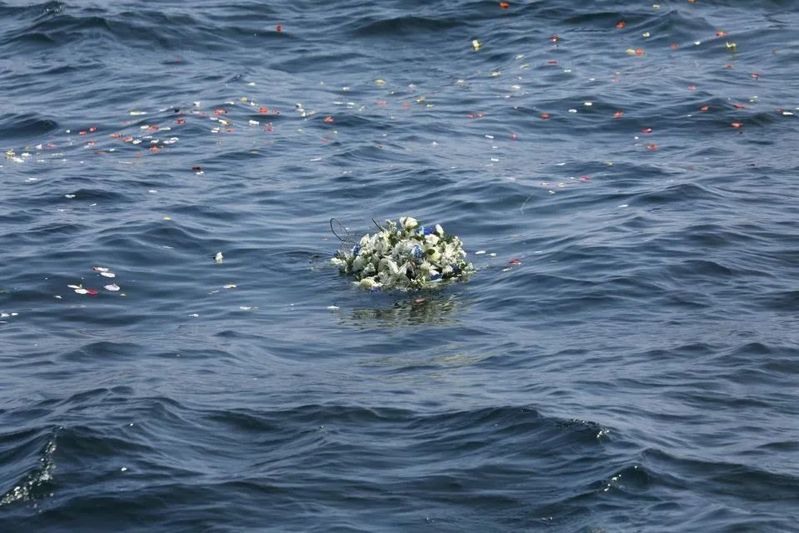
More recently, a news article on “men spilling his father's ashes into the sea and getting caught” has been hotly searched, as it says:
The man's father was buried in the cemetery, but the cemetery expired for 20 years, he did not pay any more and then tried to scatter the ashes into the sea. He then went to the sea near fukuo springs, where he found a few local fishermen who rowed out of the sea and took out a box, pouring the ashes directly into the sea, when the fishermen saw that the ashes had been stopped immediately but not stopped. In the end, the two sides argued and called the police。
The final outcome was not specified, except that the man's private burial was illegal and could be arrested。
To be honest, the news is not real, and i am skeptical that, although there are many stories like this, there are no real photographs of hammers and no statements by the authorities。
In fact, most people don't care much about the truth of the incident, but what they care about is, "is it illegal to bury at sea?" the burial at sea is not called a green burial. Why are they caught?"
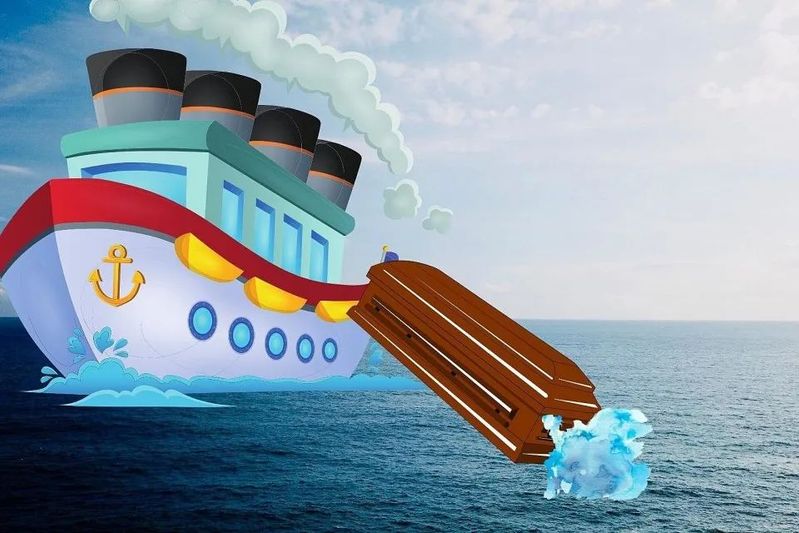
Funerals at sea
There are many forms of burial at sea, only one of which is the burial of ashes scattered into the sea, with some countries allowing the human body to be not cremated, i. E. The immediate water burial of human remains。
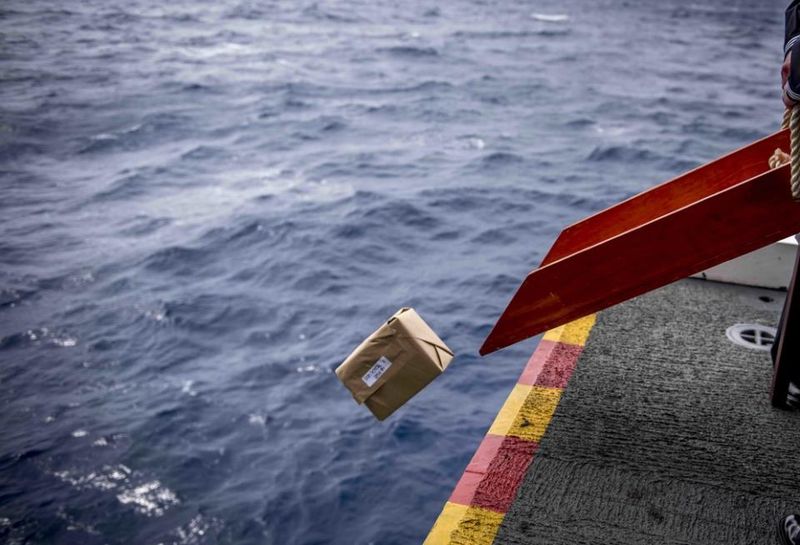
The burial is relatively simple and can be either flown directly by aircraft or thrown directly through ships, which can either pour out the ashes directly or put in the water in containers。
A well-known underwater cemetery — neptune memorial reef — located 5. 2 kilometres off the coast of miami, united states, where ashes are mixed with materials such as cement and then sank into the sea floor for a long time, where “stones” mixed with ashes become artificial coral reefs and can be added to commemorative tablets。
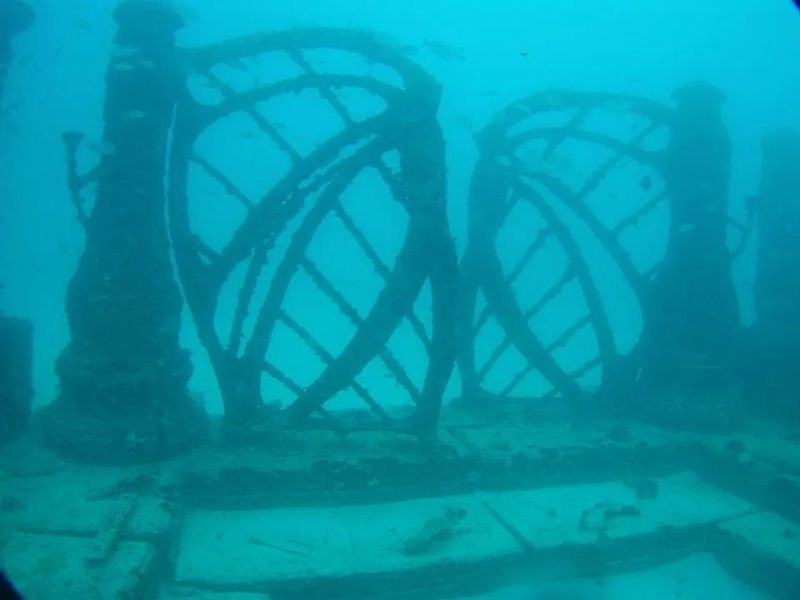
The neptune memorial reef cemetery, which has been open since 2007, is currently being expanded and is expected to eventually accommodate more than 125,000 remains。
The growing number of ashes and coral reefs is home to many living beings and a well-known tourist destination, as tourists dive very easily in 14 metres of shallow water。
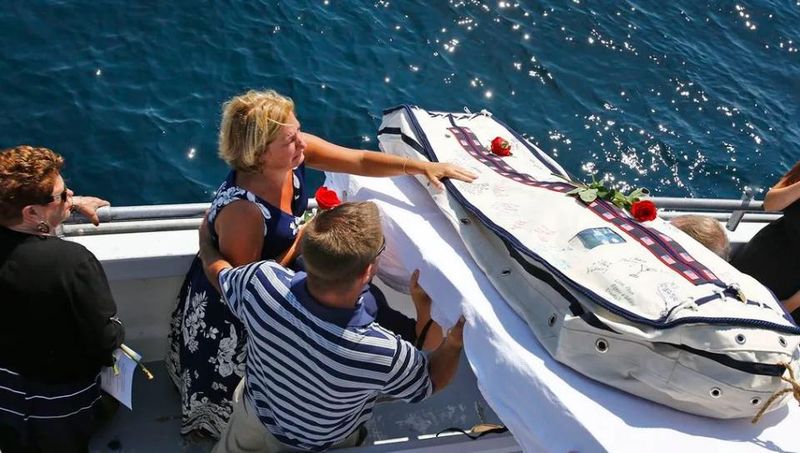
Water burials may sound scary, but they are also long-standing, generally in two forms, floating and streaming. The drifter was placed on the boat and the drifter was either placed in a coffin or wrapped in body cloth and put in water。
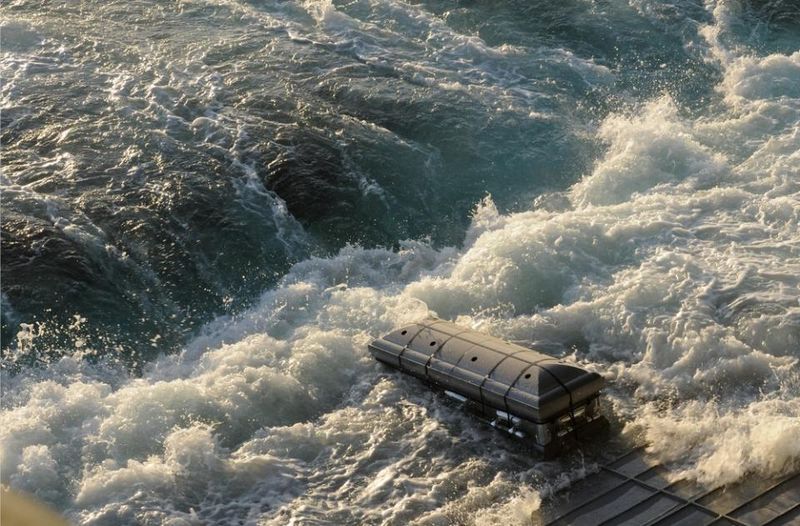
The policy of burial at sea varies from country to country, where direct water burial is not allowed, to country, australia, the united kingdom and the united states。
Australia does not require a permit for the direct discharge of ashes, and water burials require a permit and many requirements, such as not allowing any corrosive or casket use, only shrouding and a designated area。
In the united states, however, other requirements are similar to those of australia, which requires a specific agency to undertake the water burial and must be buried in a particular location, except that the united states can use coffins, especially the navy, and metal coffins。
Water burials are also illegal in india, but for various reasons locals are buried secretly in the ganges。
Why is it illegal for a man to be buried at sea
In fact, the problem can be found in the policies of countries at sea。
Most countries are very supportive of the burial of the ashes at sea, which, after all, is now characterized by very scarce land resources and so many people, and which saves both land and ecology. Even in many regions, large subsidies are granted to marine burials in order to change the traditional perception of burial。
The first men were considered to be illegal, mainly by sea burials, but private treatment was illegal and had to be reported to the relevant authorities, and ashes were thrown in the prescribed waters。
First of all, it is clear that no contamination can occur when ashes are scattered into the sea。
When the body is burned at high temperatures, all the microbes in the body are dead, and the ashes themselves do not carry any viruses to contaminate the environment. Moreover, the main ingredient of ashes is inorganic substances such as calcium phosphate, which do not pollute water quality in the sea, but rather natural fertilizers, which are environmentally friendly。
Then why not allow private burial
The main reason for this is the fear that families will disperse ashes in densely populated areas, or in artificially grown areas, which are not toxic or harmful, but the knowledge that this area is often covered by ashes is that the economic species that are farmed around it cannot be sold。
People around them will also be frightened because ashes are burned not in flour form, but in particles, flour and lumpy mixtures, which may contain large pieces of bones that can be thrown directly into the sea, and it is expected that they will be very frightened if they are caught by fishermen。
What is most crucial is to disperse the ashes without warning, which can easily be drilled out by outlaws, and what if the beams are replaced by the other ones
What process do you need for the burial at sea
At present, there are two ways of burial at the sea in our country, one organized by the civil administration and carried on a collective boat to the prescribed area to disperse ashes, and the other, a private burial by a specialized funeral company。
The first one, which was distributed simultaneously by multiple persons, was not a timely activity and, after registration at the sea, had to wait, usually for about a year, but free of charge。
The second would require an appointment for a funeral company to charter a boat to sea, but the place where ashes are scattered is also a designated area, with different service prices depending mainly on whether a farewell ceremony is required and the number of participants is low. Generally, the price is between $5,000 and $20,000。

Finally
Overall, the state is now very supportive of green funerals, and burials are a good option。
I have always believed that people should face life and death rather than fear death. Before we die, we worked hard to live better, and after we die, we should consider reducing the world. It was to be hoped that, in the future, humankind would have more options for green burials, many of which were now too expensive。









