


A bottle of coke sells 90 cents: coca-cola has been beaten in india for 70 years, why not leave
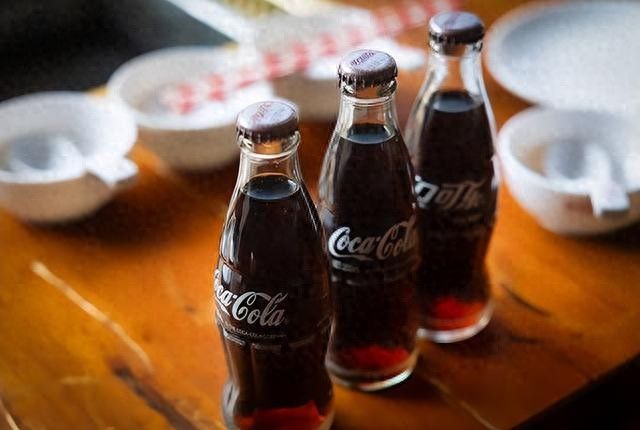
There's an unwritten saying in the global beverage industry: out of the united states market, it's not pepsi ground forces, but india, that's where coca-cola's head hurts most。
No, the latest news confirms this. The price of coke in the streets of india had already reached rs. 10, equivalent to less than rmb 9 cents and less than the price of bottled water. Coca-cola was dragged into the mud of this physical struggle。
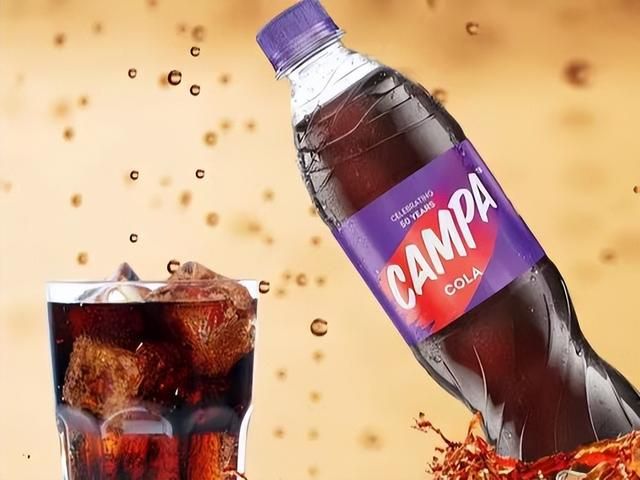
It's a national card called campacola. The brand was cooler more than 20 years ago, and in 2022 the faith group brought it back to life with rs. 2. 2 billion, re-emerged the next year at a direct price of one half of coca-cola. The news has spread that the bosses in the ring are shaking their heads to believe that this is just another marketing trick。
It turns out everyone who looks down on it is blinded. In the first three quarters of 2025, when data were available, campa cola and another indigenous brand, lahori, together, took almost 15 per cent of the market share, doubling the share over the year. The opposite of coca-cola and pepsi, the three-hundred-year-old partner in india, has slipped from 93 per cent to 85 per cent. The group went on to call the exit number: in three years, a quarter of the market is ours。
Actually, it's not new for coca-cola. To understand its situation today, it is necessary to return to 1977。
During that year, india's political situation changed and the new government's minister of industry, fernández, gave coca-cola an “ultimatum”: first, under the new foreign exchange management act, foreign holdings had to be reduced to less than 40 per cent; and second, the formula for the core concentrate had to be handed over completely. If the first bite is accepted, the second is simply fatal. The formula is a hundred-year-old watchman for this company
The two sides fell, india stopped issuing permission to import concentrate and coca-cola withdrew with tears, which was 16 years later. A large number of multinational enterprises, such as ibm, were also “responded” during the same period. India then allowed the central food technology research institute to develop its own formulations, introducing a domestic soda, which was packed with a national renaissance stamp. However, the inability to sustain the product, with indigenous brands taking over for decades, markets taking hold and businesses remaining invisible。
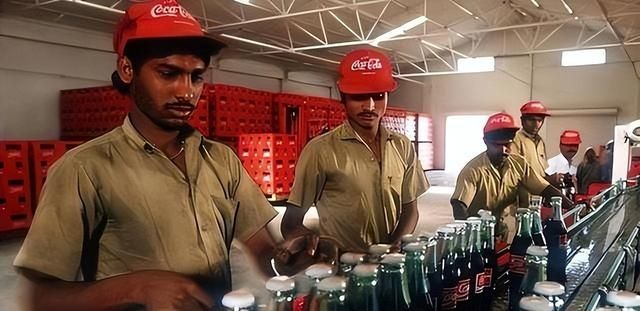
The switch occurred in 1991. India's foreign exchange reserves were at their bottom that year, inflation was out of control and the government was forced to borrow money from the international monetary fund at the expense of opening up foreign investment and liberalizing equity restrictions. Coca-cola returned in october 1993. This time, it played a great game: without rushing to promote its own red jar, it acquired a national brand of soda in the hearts of indians, such as thums up, and turned into one of its own. This layer of protective shell is still working, and the sales of thums up and shelby in india continue to overwhelm coca-cola。
Too bad the trees are quiet and windy. In 2003, an environmental agency in new delhi issued a report that identified mainstream soft-drink pesticide residues, including coca-cola, as significantly exceeding the standard. Public opinion exploded in an instant, with sales falling by 11 per cent during the season, and even the black joke of farmers taking a coke-sprayed crop was heard. Coca-cola rushed to send samples to international agencies for re-examination to prove innocence, and the lessons were etched into the bones: in india, the selling of drinks was never just a drink。
This year, the trouble is far too much to be expected. The situation in the middle east has deteriorated in the spring, with almost paralysis of shipping in the strait of hormuz, a global shortage of aluminium supplies, and diet coke in india, which is sold almost entirely through aluminium cans, breaking the tide. The internet users had started a diet coke party with a mockery, and after summer coca-cola was forced to import 330 ml of larger cans from south-east asia at a price of rs. 40 to rs. 50. A global giant was struck by the waves of a strait。
On the other side, the rhythm of indian support for national goods is moving faster. Compassions of kampac have reached about rs. 47 billion for the current fiscal year, and products have been sold to the uae, sri lanka and nepal with great ambition。
This combination of “open the door to the consumer fertilizer market and support the harvest of one's own people” is indeed a good shot. In other words, foreign direct investment (fdi) in india has reached a new high of $94. 5 billion in fiscal years 2025-2026, an increase of about 17 per cent over the same period, which is a very good figure, but it is far from ablaze for an economy with a huge infrastructure gap and a rush to industrial upgrading。
It was because of the lack of funds that india had in recent years adopted foreign investment policies in the area of food and beverages. The contradictory operation of setting up a card while looking down at the market is precisely an indication that administrative instruments cannot be competitive over time. What investors really value is always transparent and stable rules, not smart calculations. China's insistence on being open for decades and the confidence it had earned through a stable environment were the best reference。
After all, coca-cola has been beaten in india for 70 years, but still depends on it. It's like a big market for billions of people, like a fatty near their mouths that can't bite. It can't let go, it can't swallow, it can't let go, it can't go on in this endless game while making money. It's a business. Are you wrong









