


Less than 90 cents a bottle of coke is starting a brutal price battle in india. Coca-cola and pepsi oligacy, which had monopolized the market for 30 years, are now being eroded by local brands. Behind this backlash is india's 70-year-old classic “fat-and-kill” foreign-investment campaign, which has also made coca-cola the world's most depressed giant。
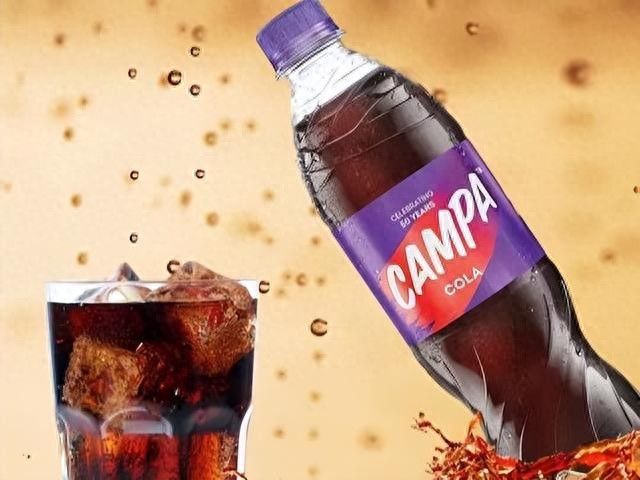
The black horse that stirs the market, it's campa cola. In 2022, the brand was acquired at a low price by csig and re-listed the following year, with prices cut directly to half of foreign coke. In just over two years, the united campa cola local brands have rapidly risen, doubling their combined market share to nearly 15 per cent, pushing the double oligopoly ratio directly from 93 per cent to 85 per cent, and hitting 25 per cent of the market within three years。
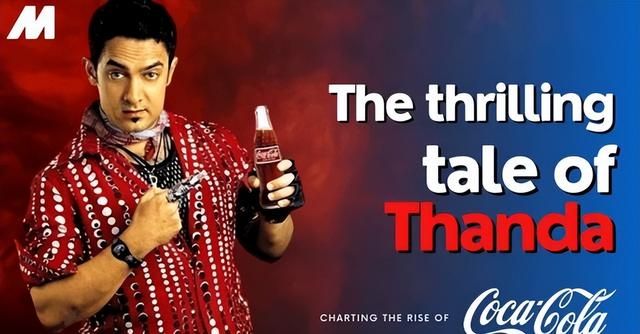
In fact, coca-cola has been used repeatedly by india and is already normal. As early as the 1970s, india had expelled him directly. In 1977, the new deal of india had strong demands for foreign investment to dilute shares up to 40 per cent, and stronger demands for a core coca-cola concentrate formulation. Equity concessions are still negotiable, but handing over the centenary core formula would be self-destructive, negotiations between the two sides would be completely broken down, coca-cola would be forced out of the indian market for 16 years, and a crowd of outsiders, such as ibm, would be out simultaneously。
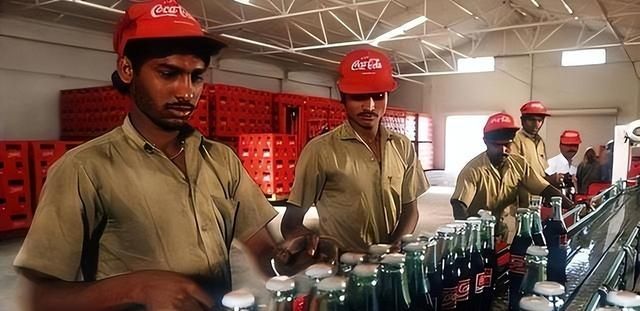
India's indigenous soda has always been of high quality and difficult to achieve. India was forced to reopen its foreign markets in 1991 in response to a severe economic crisis and a low foreign exchange rate. Coca-cola returned to india in 1993 and learned that it was no longer a high-profile expansion, but rather a low-profile acquisition of local national soda brands to take root and re-establish itself。
A number of years of steadyness, and in 2003 there was a sudden wave of pesticide residues. The false allegations by local institutions that the popular boycott was detonated and the sales of coca-cola fell sharply, and even if international authorities were to report their own innocence, it would be difficult to salvage public opinion. Since then, coca-cola has become completely condescending and has been operating conservatively in india and has been afraid to engage in core cooperation。
The external situation has been repeatedly frustrated, not only by policy. Owing to the shipping crisis in the straits of hormuz, aluminium cans were in short supply and diet coke in india was cut off. The giants had no choice but to replace the packaging, raise the prices and completely lose the pricing initiative。
Foreign access has been increasingly eased by policies that capture foreign investment and support indigenous enterprises while at the same time they lack financial resources for development. India's model of volatile and highly profitable business appears to be short-term profitable for indigenous industries, with overdrafting long-term investment trust。
In supermarkets with billions of people, coca-cola is not allowed to leave completely, but is never safe for money. Seventy years of a saw-sawing game, the end of foreign investment in the indian market: huge dividends can be seen, but they never hold。









