


In the industrial environment, the safe performance of distribution tanks is critical, especially in flammable and explosive sites. The blast-proof certification is an important procedure for ensuring that distribution tanks meet safety standards. For producing enterprises, the chargé d ' affaires process to understand blast-proof certification can help to efficiently complete certification and ensure product compliance. This paper will describe the acting process for blast-proofing certification and, for example, provide an example of its elements, while highlighting the characteristics of blast-proofing certification by contrast with other types of certification。
The blast-proofing is a specific certification for explosive environmental equipment to ensure that the equipment does not cause an explosion while operating at a hazardous site. Unlike other generic certifications such as ce or iso certification, blast protection certification is more focused on specific safety features, such as blastproofing, enhancement or inherent design. Such certification is usually based on international standards such as iecex or national standards, requiring greater rigour and professionalism. The chargé d ' affaires process refers to the process by which an enterprise entrusts professional bodies to assist in completing accreditation applications, testing and document preparation, which saves time and reduces errors。
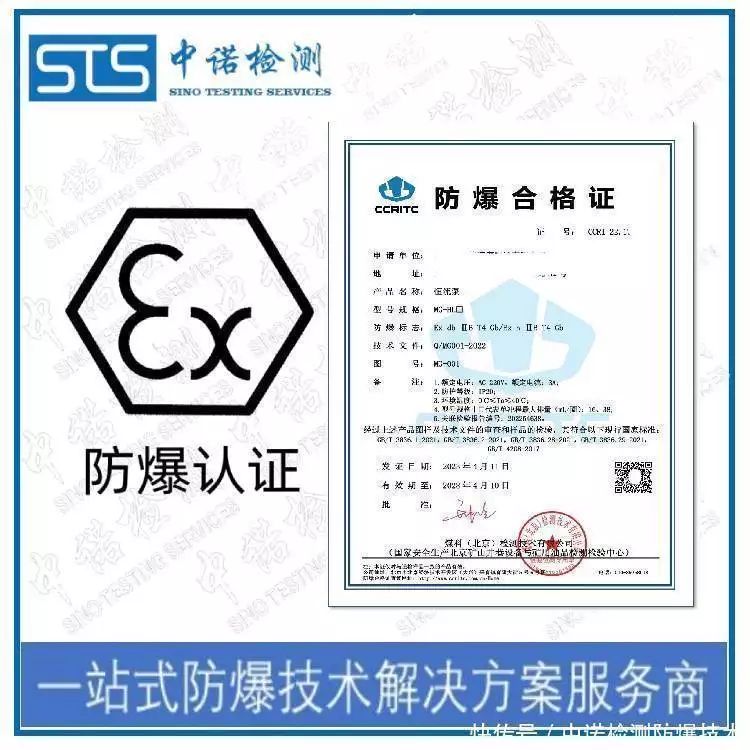
For distribution tanks, blast-proof certification involves excellent assessments of their structure, materials and electrical performance. When used in an explosive environment, the tank is diversified to prevent the arc, spark or high-temperature surface from sparking the surrounding flammable gas or dust. In comparison with other electrical equipment certifications, blast protection certification is more risk-oriented in the field, for example in the petroleum, chemical or mining industries, where requirements are higher than in the ordinary industry. The advantage of the chargé d ' affaires process is that professional institutions are familiar with standard details and can help enterprises avoid common pitfalls and speed up certification。
The following are the main steps in the osrc process, for example in the case of electrical distribution tanks:

How does a computer clean up a c drive? Get to know these ways, release the space easily and rejuvenate the computer
1. Initial consultation and needs analysis: the enterprise first communicates with the chargé d ' affaires to clarify the utility of the distribution tank, the level of blast protection and the target market. The chargé d ' affaires assesses whether the product meets the basic requirements and provides advice. This step is different from other certified generic consultations, as blast protection certification requires more detailed environmental parameters, such as gas types or temperature groups. Compared to other certifications, the consultation phase for blast-proofing certification focuses more on risk assessment than on simple product functions。
2. Documentation preparation and submission of applications: the enterprise provides technical documentation for products, including design drawings, lists of materials and instructions for use. The chargé d ' affaires assisted in collating these documents and filling out the accreditation application forms. The documentation requirements for blast-proofing certification are more stringent than for other certifications, such as the need to provide explosive-protective calculations or test reports. The osrsg process plays a key role here to ensure the completeness and accuracy of documentation and avoid delays due to omissions。
Sample testing and laboratory assessment: the chargé d ' affaires arranged for samples of the distribution tank to be sent to the approved laboratory for testing, including blast resistance, temperature rise and durability tests. Tests are conducted on the basis of relevant standards, such as blast-proof type tests (e. G. Blast-proofing or amplification tests). Tests for blast-proofing are more focused on safety limits than for other product certifications, such as simulated performance under malfunction conditions. The chargé d ' affaires coordinates the testing process and addresses possible problems, such as proposed changes in case of failure。
4. Review of the plant inspection and quality system: the certification body may review the production plant to ensure that the bulk product meets the certification requirements. This includes inspection of production lines, quality control records and staff training. Plant inspection for blast-proofing certification is more stringent than other certifications, as it involves continuous compliance. The chargé d ' affaires helps enterprises prepare for audits and provides advice on improvements to ensure smooth passage。
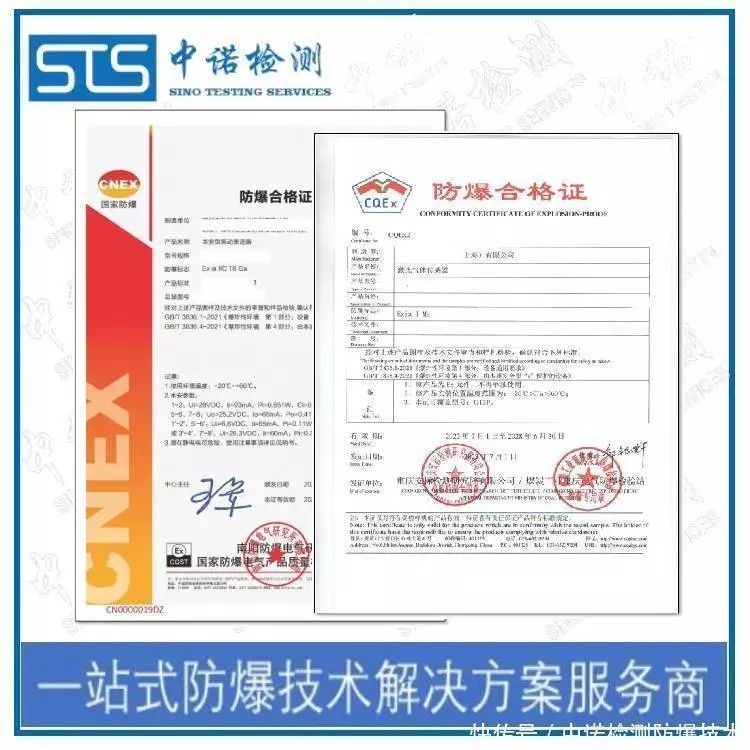
5. Certification and follow-up maintenance: following testing and verification, the certification body issues a bomb prevention certificate. The chargé d ' affaires assists enterprises in receiving certificates and provides guidance on how to maintain certification, such as regular updating or responding to standard changes. The maintenance requirements for blast protection certification are higher than for other certifications and may require annual audits or re-certification of products. Ongoing support is provided by the chargé d ' affaires processes to help enterprises maintain compliance。
The advantages of blast-proofing for distribution tanks throughout the osrg process are reflected in specialized handling. For example, a greater focus on safety in practical application of blast protection certification compared to general electrical certification can reduce accident risk. Osrsg saves enterprise resources, allows professionals to handle complex processes and reduces certification costs and time. On the cost side, osrsg services are usually project-based and may involve tens to tens of thousands of rmbs, depending on the complexity of the product and the scope of certification. Enterprises should choose reliable institutions to avoid unnecessary expenditures。

New suit network
In summary, the blast certification process provides an efficient path to the distribution tank manufacturer to ensure product safety compliance. The uniqueness and necessity of blast-proofing can be seen in comparison with other types of certification. Through their services, enterprises can focus more on product development while meeting market requirements。









