


Blast proof is a proof that specific equipment is used safely in a potentially explosive environment. For equipment such as distribution tanks, the acquisition of blast-proof certification is an important element in ensuring safety, as its working environment may involve flammable, explosive gases or dust. The clearance process involves multiple steps and requires compliance with relevant standards and processes。
The core purpose of blast-proofing is to verify the safety of the equipment in an explosive environment. This includes checking the structure, materials, electrical systems, etc. Of the equipment to ensure that it does not explode in normal use or failure. The clearance process usually includes equipment testing, document validation and site assessment。
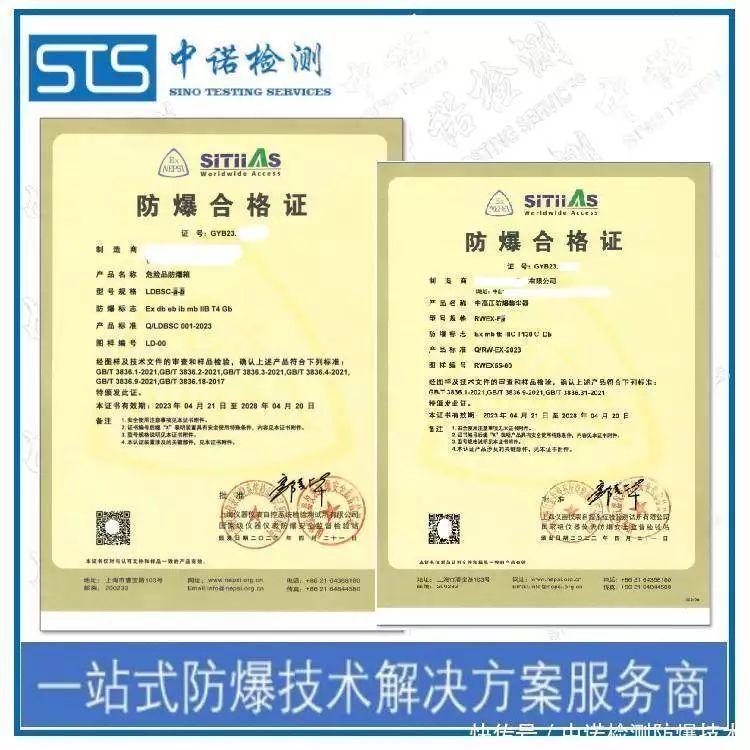
First of all, there is a need to identify the authority responsible for the clearance of explosives. These bodies are usually independent third-party certification bodies specializing in safety assessment and certification of blast protection equipment. They test and audit equipment in accordance with national or international standards to ensure that it meets blast-proof requirements. In selecting an institution, it should be confirmed that it has the appropriate qualifications and accreditation, for example through national certification systems。
Secondly, a series of materials is required to conduct blast proofs. These include technical documents for equipment, design drawings, instructions for use, lists of materials, etc. The technical paper should describe in detail the structure, working principles and security measures of the equipment. Design drawings need to clearly demonstrate the blast-proof design of the equipment, such as blast-proof casings, reinforced structures or other blast-proof forms. The instructions should include instructions for the installation, operation and maintenance of the equipment to ensure proper user access. In addition, test reports and quality management system documents for equipment may be required to demonstrate that equipment meets standard requirements during production。
This is followed by the testing and evaluation phase. The certification body conducts a series of tests of the equipment to verify its blast-proof performance. These tests may include temperature tests, spark tests, pressure tests, etc. To ensure that the equipment does not explode under extreme conditions. In the course of the testing, the institution simulates the actual use environment and checks whether the equipment has potential risks. If the equipment is tested, the agency issues a test report as a basis for certification。
This was followed by document review and on-site assessment. The certification body reviews the submitted technical documents and test reports to confirm their completeness and conformity. In some cases, agencies also conduct on-site assessments, inspect production facilities and quality control processes and ensure consistent safety standards during the production process. On-site assessments may involve inspections of production lines, detection equipment and employee operations。

You've got 265 systems. Please clean up at maximum speed
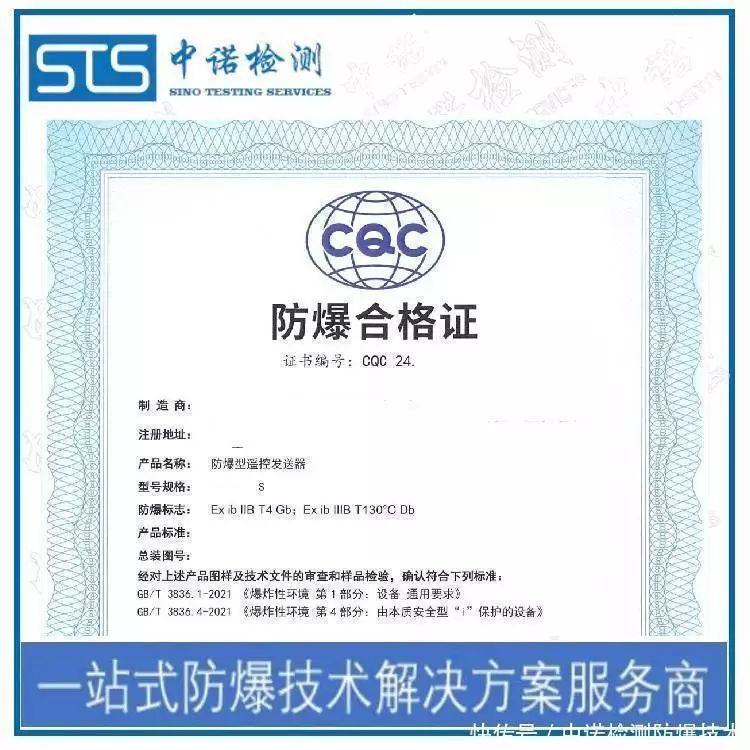
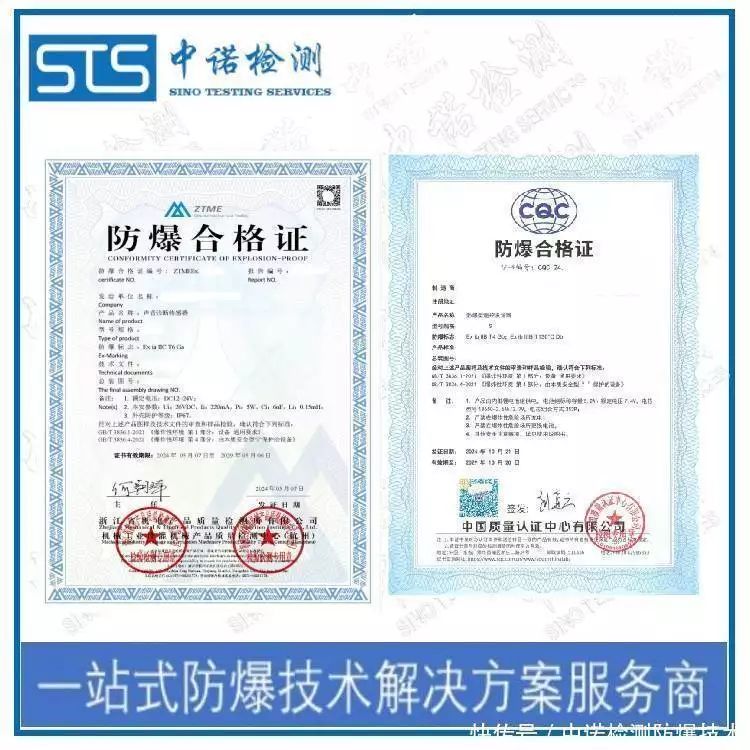
Finally, the certification body decides whether to issue a bomb-proof certificate on the basis of the test and evaluation results. If the equipment meets all requirements, the institution issues a certificate of certification indicating the level of blast protection, the applicable environment and the period of validity of the equipment. The certificate is usually valid for several years and needs to be recertified or renewed upon expiry. During the validity of the certificate, the agency may monitor and review to ensure that equipment continues to meet standards。
There are a number of common problems that require attention in the handling of blast evidence. For example, equipment is designed to diversify strictly in accordance with blast-proof standards and any modification may affect the certification results. In addition, in selecting accreditation bodies, priority should be given to institutions with a wealth of experience and good reputation to ensure advanced process and reliability of certification. For equipment such as distribution tanks, the handling of blast proofs may involve additional requirements, such as protection levels and environmental adaptation tests。
In general, the processing of blast certificates is a systematic process that requires the active cooperation of equipment manufacturers or users with certification bodies to ensure that all links meet standards. The acquisition of blast-proof certificates effectively reduces the risk of equipment in an explosive environment and ensures the safety of persons and property。
For blast-proof certification of distribution tanks, specific processes may vary depending on the type of equipment and the environment in which it is used. For example, blast-proof certification of the distribution tank may focus on the isolation and dissipation of its electrical components in order to prevent a spark or high temperature from causing an explosion. In doing so, detailed information is required on the rated parameters, conditions of use and safety measures of the distribution tanks。
In addition, the validity and maintenance of blast certificates are important aspects. The holder is required to maintain and inspect the equipment on a regular basis to ensure that its explosive performance is not reduced by time or use. Reapplication may be required for major modifications or upgrades of equipment。
In terms of costs, the clearance involves test fees, audit fees and certification fees. The amounts vary according to the complexity of the institution and equipment, and may range from several thousand to tens of thousands. It is recommended that a number of institutions be consulted prior to processing, comparing services and costs and choosing suitable options。
Finally, blast proofs are processed not only for compliance but also for security investments. Through certification, equipment can be used safely in high-risk industries such as chemicals, oil and mines, reducing the likelihood of accidents。
Summary highlights:

How does a computer clean up a c drive? Get to know these ways, release the space easily and rejuvenate the computer
1. The clearance authority is an independent third-party certification body, which is required to select a qualified body to apply。
The processing process includes the preparation of technical documents, testing, clearance and on-site assessment to ensure that equipment meets blast-proof standards。
3. Once a certificate has been obtained, it will need to be regularly maintained and updated to maintain the security and compliance of the equipment。









