What about the tubing? Four-step full process
One of the most frequently asked examinations at the clinic was the projection of the fallopian tube. Many sisters are nervous when they listen to the word "shadow" and you know it's not as scary as you think。
I'll tell you all about it today。
I. Pre-inspection preparation: 3 matters
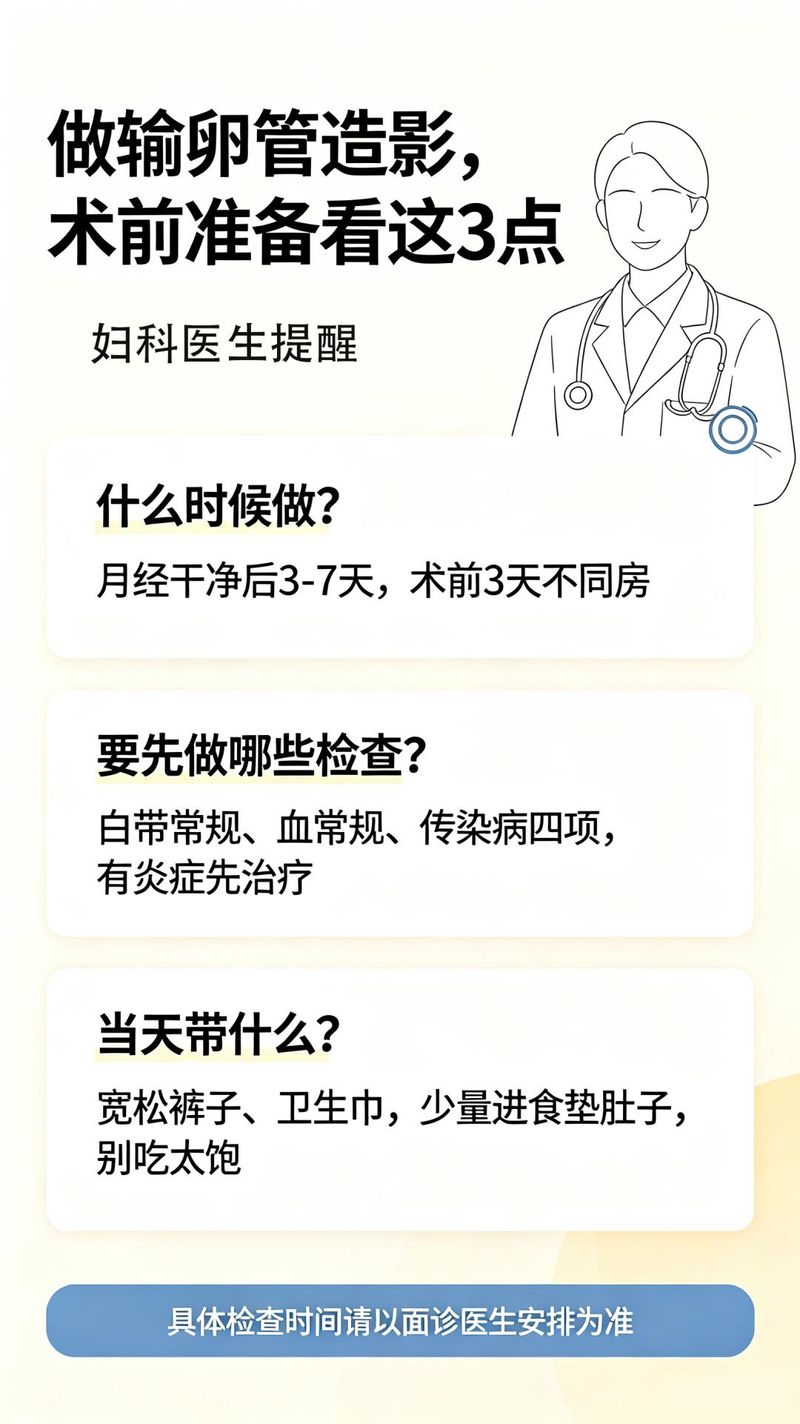
First, time is right -- three or seven days after the menstruation, clean means no blood, not less. Too early for membranes to be repaired, too late for membranes to have too thick an impact。
Second, pre-operative tests are complete -- white belt routines, blood routines, infectious diseases, one missing. The white belt anomaly needs to be treated first, otherwise the prophylactic agent can easily bring bacteria into the cavity。
Thirdly, the individual is prepared to wear loose pants and a sanitary towel. There may be a small amount of haemorrhaging or photocopying that may have been released after the examination, and there is no panic。
Ii. Inspection process: 5 steps, 10-20 minutes
The whole check is fast. Don't get scared by shadow:
1 clothes on the bed - take off the body, lie on the bed, cut off the stone。
2 sterilized towels -- doctors disinfect external vaginas, weave sterile towels, you don't feel much at this point。
3 peeping devices -- like usual gynaecology tests, peeping instruments expose the cervix, may be a little swelling and bearable。
Four, push the film + film — this step is the key. The doctor inserts the catheter through the cervical tube and slowly pushes it into the film making agent, while taking photographs to observe the flow of the agent in the fallow tube. The abdominal swollenness of the push is felt by some, who feel like a pain, and have endured it for seconds。
5 second film (required only for iodine oil) - if iodine oil is used as a film, a time extension is required after the agent has dispersed; iodine water is sufficient for one film。
The whole process is 10-20 minutes and can be done in the rest area for a while。
Iii. Interpretation of results: 4 common situations
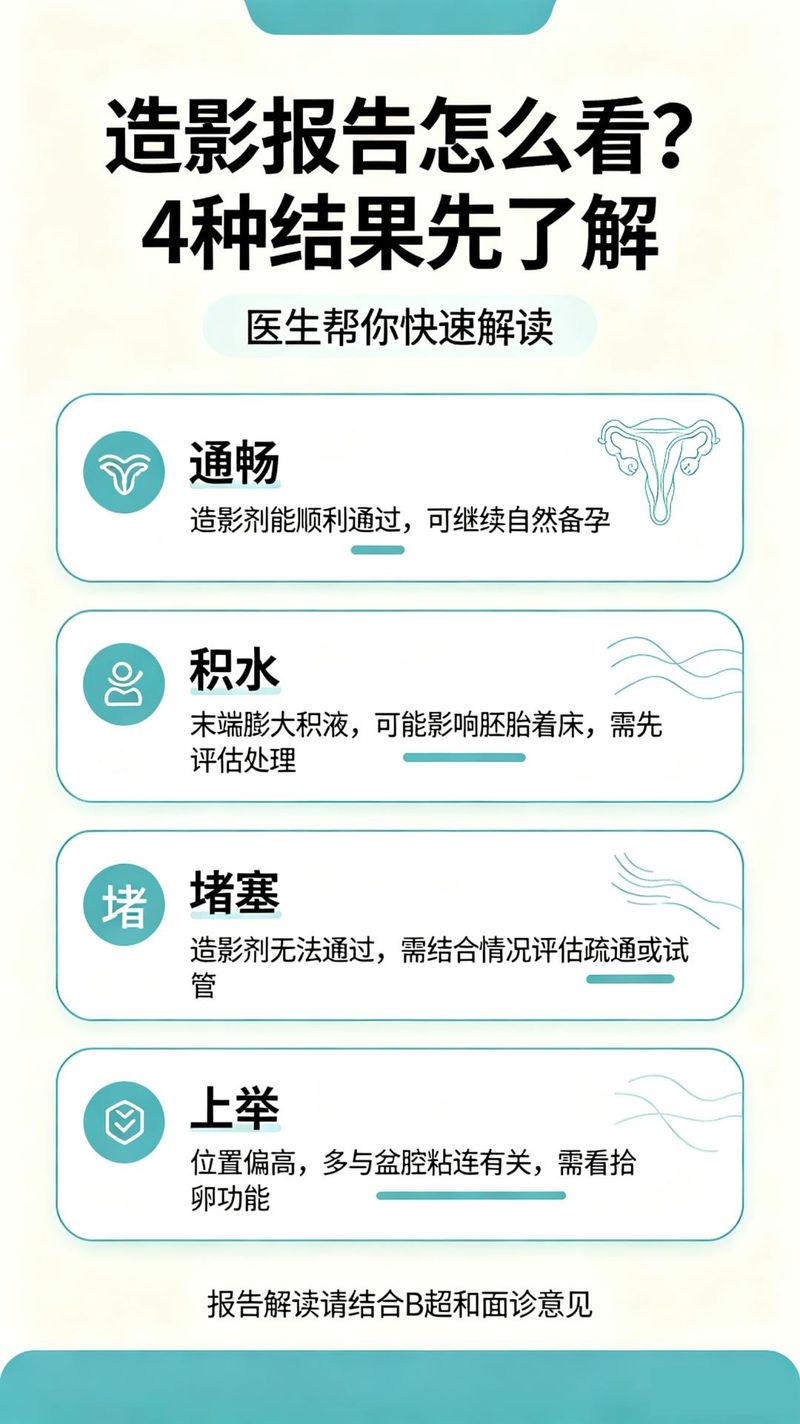
The report sheet is in hand, focusing on the four outcomes:
Clear — optimal outcome. The film-making agent passed through both sides of the fallopian tube and dispersed within the pelvis. The film shows the cavity of the cavity, with the end spreading like smoke. This means that the pipes are open and functional and can continue to attempt natural pregnancy。
Water build-up — the tubing tube expands significantly at the far end, in the form of a bag or sausage, and the agent accumulates in it, with little or no pelvis dispersion. Water accumulation is no small matter, and the inflammation fluids in it may run backwards and affect the bed. It is usually recommended that the abdominal lenses treat the water and prepare for pregnancy。
Blockage - in two ways: close congestion close to the uterus, without any flow of film-making agents, without any visible effect of the fallopause; far-off jamming of the umbrella, with a visible but undispersed end of the tubing, with a bologna form. Premiums cannot be met and the surgical programme needs to be assessed according to the location and extent of congestion。
Up — the tubing is plumbing upwards, deviating from normal anatomy. A simple lifting may affect the ovulation function; if it is caused by a pelvis bond, it needs to be treated。
Four, three things after the check
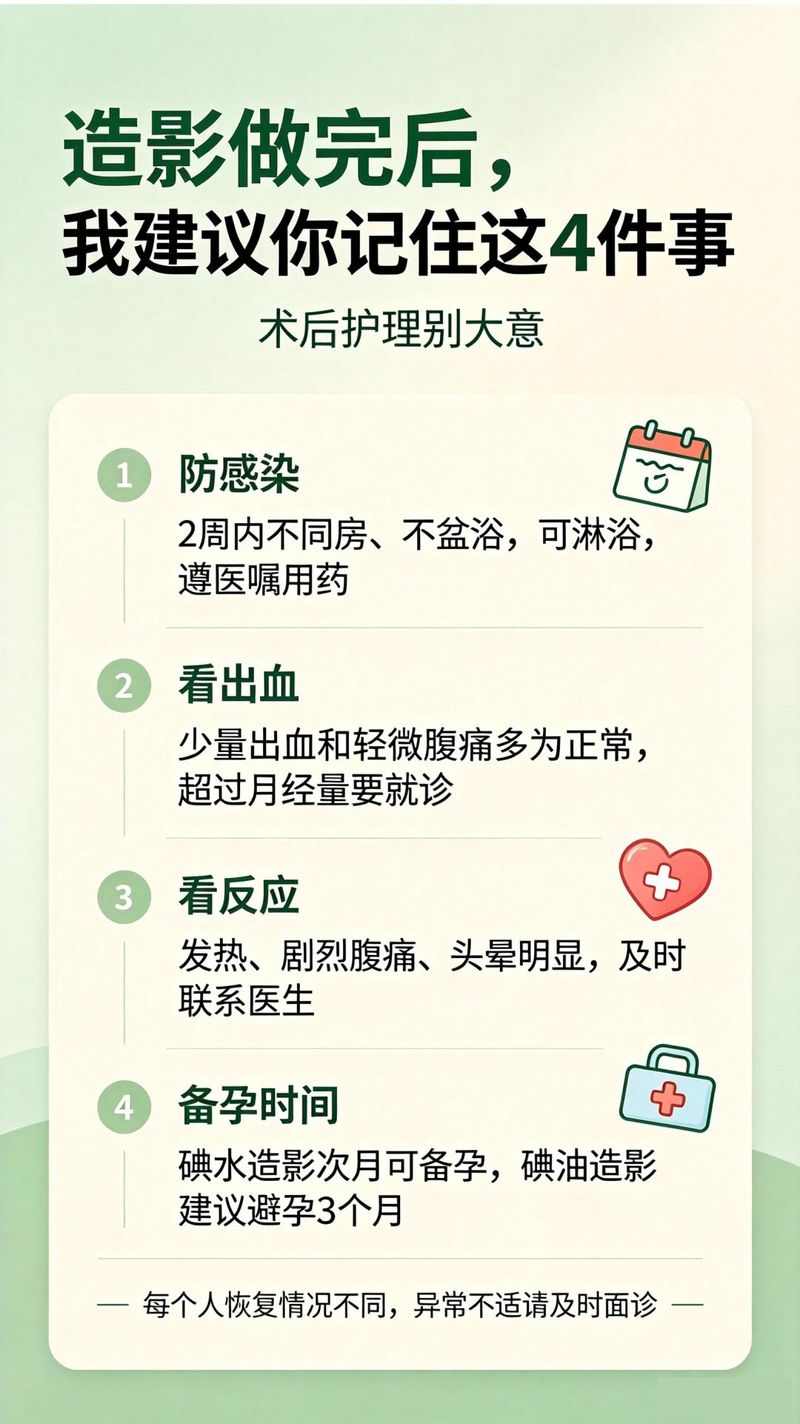
1 shelters + prevention of infection - co-habitation and tub baths are prohibited for two weeks after examination and 3-5 days of anti-inflammatory medicine is administered to prevent infection。
Attention to physical reactions - small haemorrhage and slight abdominal abdominal pain are normal, usually disappearing one to three days. If haemorrhage is high, abdominal pain is increased or fever is caused, return in time。
3 pregnancy - three months after iodization, after which iodized oil is recommended for contraception; iodized oil has radioactive residues; iodized water is available for pregnancy during the month, depending on the doctor。
Item
Contents
Female infertility due to screening, ovarian infertility, multiple ovarian syndrome, uterine viscosity, endometriosis, etc
Accurate diagnosis, microstart treatment, individualization programmes