


Sisters are often advised by doctors to do tubal imaging at outpatient clinics, are nervous as soon as they are examined, and the most frequently asked is pain or pain。
Today, the flow and attention of the fallopian tube is clear。
What's a fallopian tube
The ovarian cavity is called the uterus tubal imaging, which is injected into the cervix by catheter, and the movement of the agent within the tube is observed in x-rays to determine whether the tubing is smooth. This is currently the most commonly used method for assessing the fluidity of the fallow tube。
Why do you have to check this out
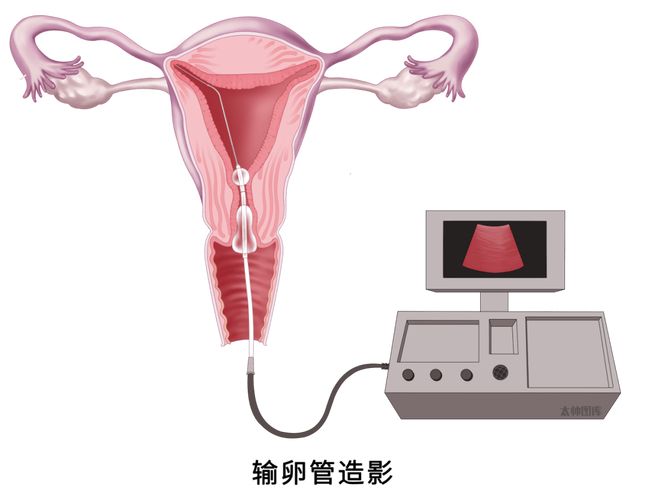
The 10th edition of gynaecology makes it clear that the tubing factor is an important cause of female infertility, which accounts for 25 to 35% of infertility. Pollpipe imaging provides the basis for follow-up treatment by seeing whether the tubing is smooth, blocked and to what extent。
The three-step process is clear。
Step one, prep. The check-up is scheduled for three to seven days after the menstruation, and sexual activity is prohibited three days before the check-up. Doctors first perform gynaecology examinations and white belt routines to remove acute inflammation. Sisters with iodine allergies must inform doctors in advance that they may need to switch to other agents or other forms of testing。
Step two, operation. On a gynaecology examination bed, the doctor is sterilized and placed in a voyeur and the catheter is inserted into the cervix through the cervix. The film maker is then slowly injected into the x-ray view, with a pedestal to observe the charge and flow of the film maker in the cavity and the fallow tube, while filming. The process usually lasts 5 to 10 minutes。
Step three, post-operative observation. At the end of the check-up, 30 minutes were taken to observe abdominal pain and bleeding. The doctor arranges for a review of the film after 24 hours to see how the agent is dispersing in the pelvis and to determine further the fluidity of the fallow。
Does it hurt
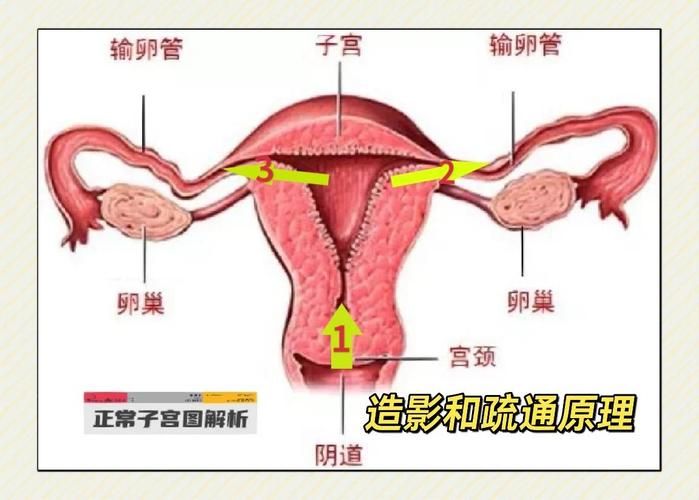
To be honest, pain is different. Most of the sisters feel similar mild pains and have an acidic feeling that they can endure. If the tubals are not smooth, the swollenness of the agent when blocked is apparent, but generally within acceptable ranges. Many hospitals now perform painless tubal imaging, intravenous anaesthesia and sleep, suitable for particularly nervous sisters。
Three notes。
First, sexual life and baths are prohibited within two weeks of examination to prevent infection. Doctors may prescribe 3 to 5 days of preventive use of antibiotics。
Second, a small amount of vaginal haemorrhage after examination is normal and usually clean for one to three days. If the amount of haemorrhage exceeds the monthly circulation or lasts longer than one week, timely medical attention is provided。
Thirdly, within three months of the examination, the period of gestation is the golden period, since the swipe of the agent during the photocopying has some effect on the slight adhesive. Sisters with child-bearing plans are examined and ready to become pregnant。
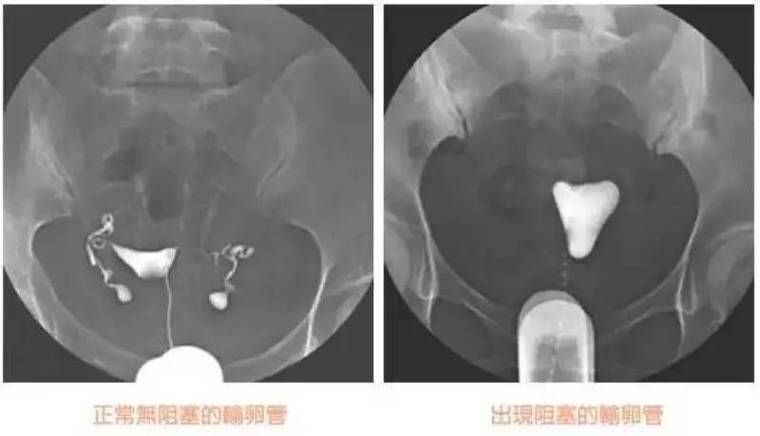
It sounds scary, it works fast and it's very informative. Getting to know the process is less stressful。
Women's health
# infertility
# gynaecology checkup









