


Guangzhou: a wyosha epic carved on bricks
On the outskirts of the plains of jianghan, on the side of the yangtze lies a great book, the ancient city of jianzhou, written with bricks and ink. It is not just a pool, it is a solid and thick fragrance of fragrance, and each of the bulging bricks is a code embedded in the history of history, waiting for future generations to interpret the civilizational memory and tenacity that spans the millennium。
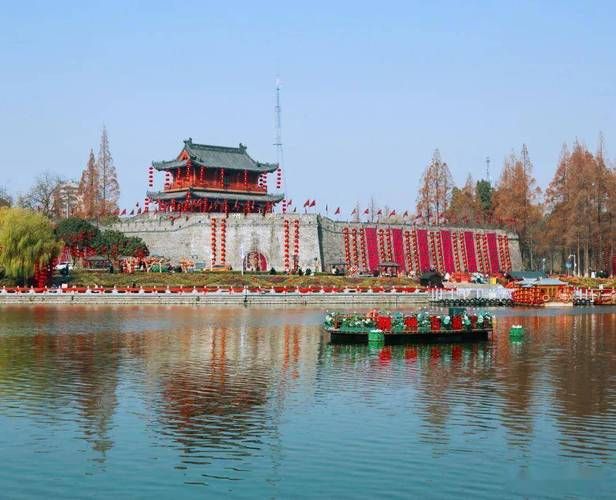
The ancient city of jaizhou is “old” because of its unparalleled history. Ever since king truman set the capital city “zoo” on this site in 689 b. C., the land has opened a glorious chapter as a regional political, economic and cultural centre. It is not only an ancient relic of the “sixties” but also the core cradle of the culture of chu, which has been in china for 800 years. King chu's “shocking” masculinity was born in the wake of the fallout. Qin han has always been a strategy of communication between the north and the south and the yangtze river. During the tri-national period, this was the central stage of the tumultuous events, the stories of the population, such as liu bae-ryunzhou and guan yu, which forever engraved the city in the collective memory of chinese culture. Since then, the heavy town of dongjin, tang song's luxuriousness and brightness have been consolidated, until recently when the qingzhou city's twilight flag became almost a microcosm of half of china's ancient regime and military geography. Its historical continuity is complete and its cultural richness is exemplary in ancient chinese cities。
This epic “bones” is the legacy of walls and buildings that have been built in the past. The main object of the existing wall was reconstructed at the base site during the period of ming ming, approximately 11. 28 kilometres long, with clear contours and well-structured shapes, which were hailed as “the extraordinary end of the southern part of china”. The walls of the bricks are tall and thick, and six ancient gates (the great north gate, the little north gate, the east gate, the new south gate, the old south gate and the west gate) are soaring, with the most distinctive features of the “twirling water” cuisine gate (the great north gate) and the well preserved arch entrance (the great north gate). The walls of the city are full of males and the cannons are still in place; within the walls, the traditional pattern is rare. On top of the bricks, the inscriptions from different ages and from different sites are clear, as historical labels, and silently refer to the journeys and eras of the repairs. The weight of this object makes abstract history perceptible and constitutes the most solid material carrier of epic。
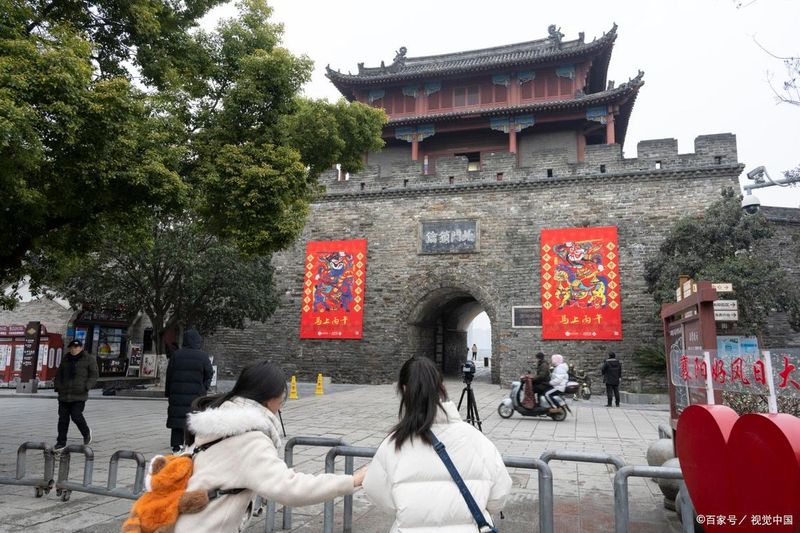
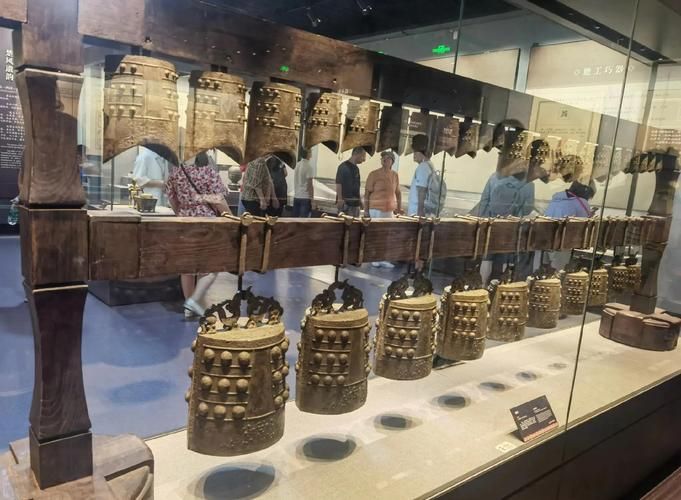
However, the value of the ancient city of jaizhou is far greater than that of the bricks. It is a living cultural heritage, a heritage of spirituality and culture. This is the birthplace of chu's culture, where the euphoria of the bell-bell dance, the beauty of the paint-coated graft, the embroidery of silk embroidery, and the opening spirit of the “blue of the road” and the romantic imagination of the “shocking”. The culture of the three nations is here a symbol of morality and courage, the fragrance of the public temple, and a millennium of faith. In the ancient city, ancient monuments, such as the temple of man, the temple of guan, and the house of zhang zhang zhang zhi, were mistook for confucianism, civic beliefs and historical memory. Even more valuable is the fact that the ancient city lives in harmony with modern life, and traditional festivals, folk art and local foods continue to flow in the streets, giving this epic a constant pulse and warm human smoke。
As an important historical and cultural point in the yangtze midstream, the ancient city of jaizhou is like a huge time-space hub. It connects bagui and wu viet, connects china and gangnam, and has promoted population movement, material exchange and cultural integration over a long history. The ganghan plain civilization, which it represents, is an indispensable link in the pluralist landscape of chinese civilization. The preservation of the ancient city of jianzhou is not only the preservation of a glorious past, but also a source of historical wisdom and forward power that protects the foundations of our national identity。
Time's running, the river's still there. The epic of the ancient city of jaizhou, which was based on the earth and covered by walls, continues silently in the rising of the sun and the moon. It reminds us that, in the midst of modernity, we must not forget to look back; in the construction of the future, we cherish the accumulation of civilization. To approach it is to open a dialogue with ancient wisdom, a deep touch on the twilight。









