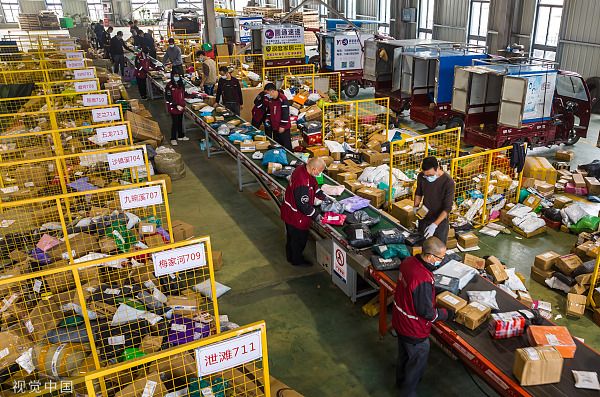
Ten years ago, it was rare for a courier to come to the door and pick things up. By september 2026, the situation had changed completely. Walk into any neighborhood, you can see more than half of the package in the pick-up car with a "return" label. The focus of the business is moving from "send" to "take it back," and consumers are largely unaware。
To be honest, the delivery company is not afraid of you returning the goods, but rather of you returning a few more bills. It sounds like a story, but it's the real conclusion of the industry over the years。
I'm sending you something thin. The industry's stuck in the inside
Depending on the clarity of the matter, the account book of the express delivery order must be distributed。
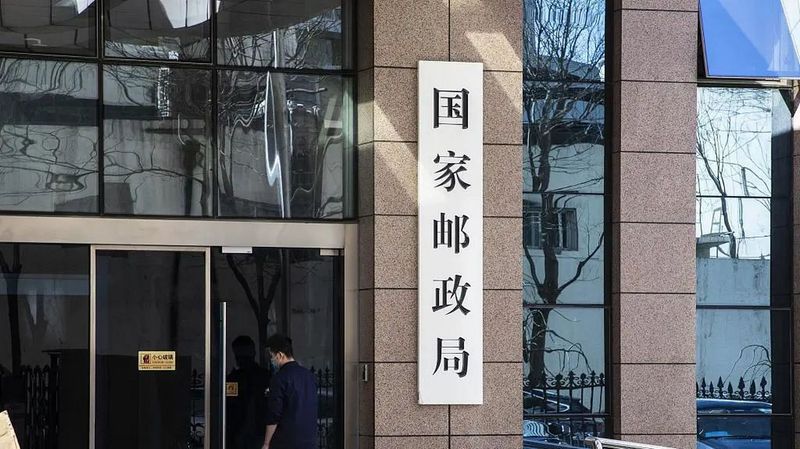
The national postal service, in its data published in mid-december 2025, noted that the volume of courier operations had washed up to 1989. 5 billion for the whole year of 2025, an increase of 13. 6 per cent over the same period, and that industry-wide business revenues were close to $1. 5 trillion, an increase of only 6. 5 per cent. The increase in business volume is almost twice as high as the increase in income, and the difference in scissors has been increasing for several years. The translation into white is that the more couriers are delivered, the less they earn。
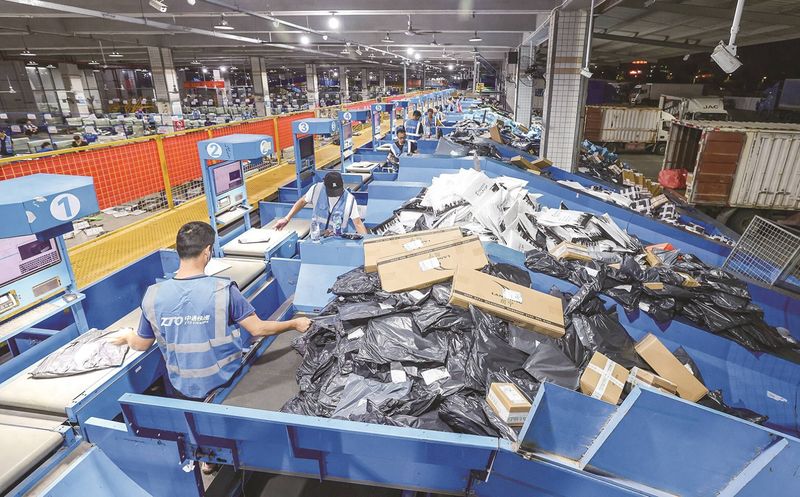
Annual reporting data for 2024 are more illustrative. The net profit for each parcel delivered was approximately us$ 0. 26, with rounding in the vicinity of us$ 0. 15, with a single profit of 8 cents on the head and less on the application. What concept? A fully fledged district with thousands of items on the rise, the delivery network has been working hard all day, with a net profit of $50 and not enough for a working meal for two couriers。
The profits are so thin, the roots are in bargaining power。
There are hundreds of thousands of steady delivery orders in the hands of large electric operators, and a single-day shipment of clothes, accessories and items is astronomical. The delivery company wants to take the lists, and you're the only one who can bid. A 29. 9-dollar t-shirt, which is often signed off by merchants and couriers at a unit price of only one or two dollars, and individual bulk deliveries can even talk about less than eight cents。
What is the price? The distribution to the transit, main and end-of-pipe transports is in the process of reducing the volume of damage. However, if the express delivery company does not catch it, once the volume falls, the coverage of the network will not be sustainable and the scale will be higher. And so, in 2025, the typical "no gain or gain" scenario, where nobody wants to jump out, nobody can。
It's sweet to return the bulk, and it's the net
The delivery end does not make money, and the industry naturally moves its eyes to the other end, i. E. On the return。
Unlike commercial bulk shipments, consumer return applications were submitted, with parcel senders scattered over thousands of buildings. The express couriers went to the door, from climbing buildings, cleaning codes to packing boxes, which appeared to have been able to clean up the profits for two or three minutes, at a much higher actual cost per trip than the centralized collection. This entry line is referred to as a disassembly, which is already one of the most priced categories in the express delivery system。
Even if major electric power company platforms and courier companies had spoken about the return agreement price, the actual charge for a refund fell steadily between three and six dollar blocks, more than three to five times more expensive than the merchant's bulk. The expressman takes this one, deducts the base cost, and it's two or three bucks in the pocket. An ordinary parcel is being sent to the courier for a few cents. It's also a two-minute job, with multiple gains。
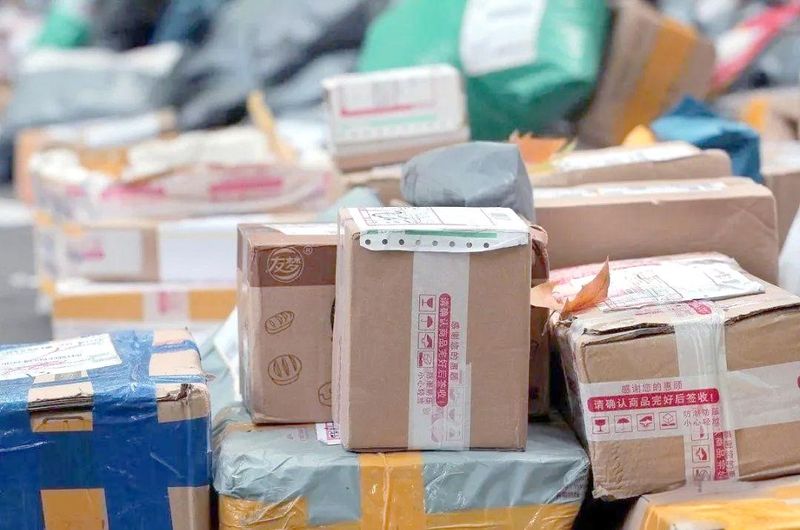
This explains a phenomenon that many consumers have not noticed. In the week after 11 november each year, and in the 10 days after 18 june, the couriers are more busy than the day of the event. The promotion was so tired that it was just a few cents. It was only after seven days without a reason to return the goods to the moment when the concentration broke out that the window was actually in。
The number of express delivery points at several major power station hubs in yiu, guangzhou and hangzhou increased dramatically in the last two years. Some of the sites have publicly disclosed internal data in late 2025, with the return of bulk orders accounting for more than 70 per cent of the total year-round receipts, with individual women's clothing, footwear and, in some cases, anti-sale collections becoming the absolute major force。
So there's an interesting change in the industry. Since the second half of 2024, logistics in kyoto has increased its input on community kiosks, express containers, and "repatriated entry points". Some have introduced special subsidies for pick-up items and others have negotiated exclusive repatriation cooperation with the electric power company platform. The frequency of the word "reverse logistics" has increased significantly in the quarterly business bulletins issued by the head delivery company, and translation actually means return。
For consumers, the return experience has improved and the express delivery company is so sweet. For express, this track is the real profitable cow。
It's not like you're hiding anything
That's the point. Who's gonna pay for this
Unlock the chain of electrics and clear the answer。
At the top of the food chain is the electrical platform. Regardless of the final withdrawal of the bill, the commission, the technical services, the live pits, and the ads, the platform has been in the pocket for hours. A more critical step is the design of the rules for freight insurance. In order to get the drops like "overvalent purchase" and "billion-dollar-subsidized" "goods list," it's almost mandatory for merchants to open freight insurance and access the "no worries" labels for seven days. The platform raised the turnover of gmv by the impression that it had been "released without loss" and all the actual expenses incurred in returning the goods fell on commercial accounts。
Look at the end of the insurance. Freight insurance is essentially a small option, with consumers paying a few cents to buy a "free repentance". Insurance companies are engaged in this business on large-scale, actuarial data. By way of example, its return freight-cost insurance-related business has grown into one of the company's important sources of revenue around 2024, accounting for a significant share of its consumer finance and digital living eco-related premiums. Once the return rate for a certain category is abnormally high, the insurance company immediately adjusts and even refuses the insurance policy, the risk is well established。
The real payouts are actually two dozen. The first dial is the merchant. A return of the goods means that the advertising fees are being diverted to freight, reverse freight, freight insurance, warehouse-dismantling quality inspection, and the second refurbishment of the re-package is being carried out by the merchants themselves. It is clear to all those who have done so that the return rate exceeds 30 per cent and that there is no positive profit in the books。
But merchants don't do charity. All predictable losses will eventually be converted into commodity pricing in the form of "hidden return costs". The higher the return rate, such as women's dress, shoe-laces, make-up and accessories, the higher the hidden portion of the price. In public interviews, practitioners have mentioned that the actual pricing of certain women's clothing items represents between 15 and 25 per cent of the sale price in the case of shared return losses alone。
The second to pay is the ordinary consumers who don't return much. You bought a $29. 9 t-shirt that you never intended to return, but the 29. 9 you paid already advanced a freight and insurance charge for the other three refunded consumers. The so-called "free return" has never been really free, but it has simply moved the cost quietly from the "repatriation group" to the "non-repatriation group", which is shared by all consumers。
That's "refund alone" for seven days and "free to pick up." behind the back is a shift in the cost of completing the entire industrial chain. The express delivery company earns an extra profit, the platform is protected by drought and flooding, the insurance company takes a steady profit margin, the merchants are carrying their teeth, and the last layer is pressed down and the price of each commodity is fully settled。
Look at the way it's done. There should be a scale in the net. Refusal is a legitimate consumer right and no one is entitled to be deprived of it. But if it's because it's free of charge, it's a pile, it's a hoard, it's a blind box, it's the extra money that comes out of its pocket。
In august 2025, the national postal administration of china again stressed at the supervisory conference that it was promoting the shift of the express delivery industry from "quick wins" to "service improvements" and encouraging enterprises to build more rational price mechanisms. At the end of july 2026, chen kai, deputy director-general of the national postal service, also mentioned in his briefing on the “fifty-five” postal development plan, that by 2030, the country's express delivery year was expected to reach 270 billion units, that industry revenues would reach 2 trillion yuan, and that the 72-hour delivery rate would reach 88 per cent in priority areas. The industry is moving in a virtuous direction, but it is ultimately up to consumers to calculate the cost of the chain。