Introduction to electromagnetic valves
Electromagnetic valves (electromagnetic valves) are industrial equipment controlled by electromagnetic means, are automated basic elements used to control fluids, are an implementer and are not limited to hydraulics, gas. The direction, flow, speed and other parameters of the medium are adjusted in the industrial control system. Electromagnetic valves can match different circuits to achieve the desired control, while the precision and flexibility of control can be assured. There are many types of electromagnetic valves, with different electromagnetic valves working in different locations of the control system, most commonly one-way valves, safety valves, direction control valves, speed control valves, etc。
Rationale
The electromagnetic valves have closed cavities, open holes at different locations, each of which is connected to a different pipeline, with a piston between the cavity, two electromagnetics on both sides, which side of the magnet wire is attracted to, and which side of the convection turns on or off the different vents by controlling the movement of the valves, while the vents are frequently open, the hydraulic fluids enter different discharges, and then push the pistons of the tank through pressure from the oil, which then push the piston poles, which then drive the pistons, which drive the pistons, which drive the pistons. Mechanical motion is thus controlled by the control of electro-magnetic circuits。
Emp encyclopedia
Electromagnetic valves (electromagnetic valves) are industrial equipment controlled by electromagnetic means, are automated basic elements used to control fluids, are an implementer and are not limited to hydraulics, gas. The direction, flow, speed and other parameters of the medium are adjusted in the industrial control system. Electromagnetic valves can match different circuits to achieve the desired control, while the precision and flexibility of control can be assured. There are many types of electromagnetic valves, with different electromagnetic valves working in different locations of the control system, most commonly one-way valves, safety valves, direction control valves, speed control valves, etc。
Rationale
The electromagnetic valves have closed cavities, open holes at different locations, each of which is connected to a different pipeline, with a piston between the cavity, two electromagnetics on both sides, which side of the magnet wire is attracted to, and which side of the convection turns on or off the different vents by controlling the movement of the valves, while the vents are frequently open, the hydraulic fluids enter different discharges, and then push the pistons of the tank through pressure from the oil, which then push the piston poles, which then drive the pistons, which drive the pistons, which drive the pistons. Mechanical motion is thus controlled by the control of electro-magnetic circuits。
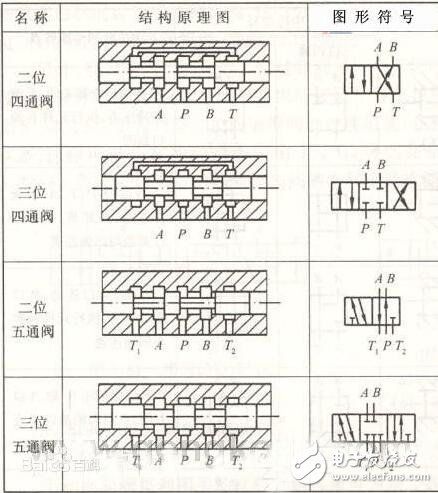
Magnetic valve symbols
The electromagnetic valve symbol refers to a diagram depicting the function of the electromagnetic valve, which is usually applied to the design of the aerodynamic system and to product identification to inform the designer of the aerodynamic system and the users of the electromagnetic valve about the function of the product. In the design process, air road maps are often required. The various electromagnetic valves appear on the drawings as corresponding aerodynamic symbols, which are expressed as electromagnetic valve symbols。