


The electromagnetic valve (electromagneticvalve) is an industrial equipment controlled by electromagnetic control. It is an automated basic element used to control fluids, is an implementer and is not limited to hydraulic pressure, aerodynamics, adjusts the direction, flow, velocity and other parameters of the medium in the industrial control system. The electromagnetic valves can be used to match different circuits to achieve the desired control, while the precision and flexibility of the control guarantee that there are many types of electromagnetic valves and that different electromagnetic valves function in different locations of the control system,* which are commonly used as one-way valves, safety valves, direction control valves, speed control valves, etc。
The electromagnetic valves have closed cavities, open holes in different locations, each of which is connected to a different pipeline, with a piston between the cavity, two sides of which are electro-magnetic, and which side of the magnet wire is attracted to, opening or closing different vents by controlling the movement of the valves, which are frequently open, and hydraulic fluids enter different discharge tubes, and then boosting the pistons of the tanks by pressure from the oil, boosting the piston poles and boosting the mechanical mechanisms of the piston, thus controlling the mechanical movement of the electro-magnetic。
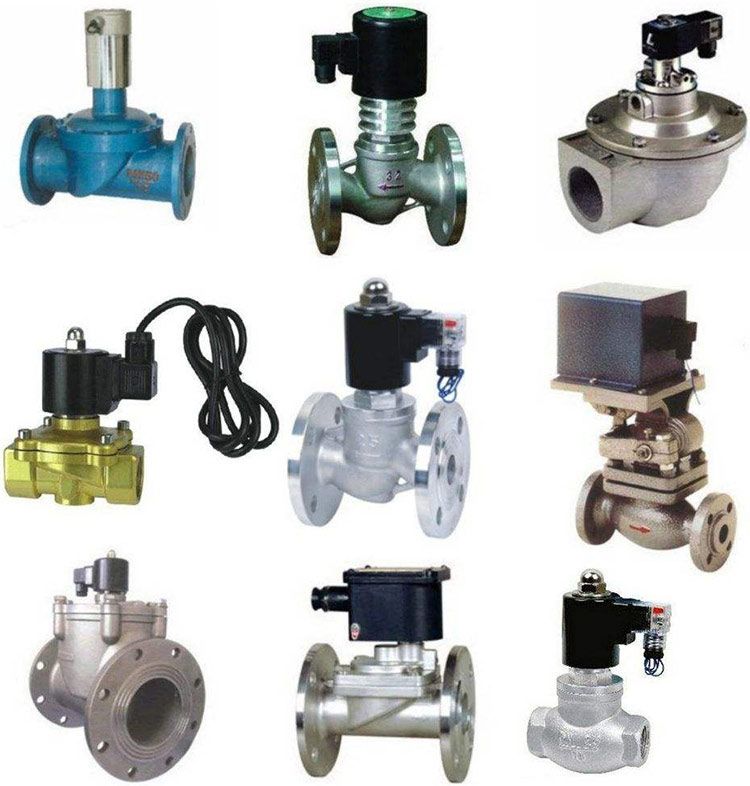
The electromagnetic valves are divided into three broad categories:
1) direct electromagnetic valves:
Principle: when electrically activated, the electromagnetic circle produces electromagnetic power to lift the closure from the valve and open the valve; when electricity is cut, the electromagnetic power disappears, the spring presses the closure on the valve and the valve closes。
Characteristics: normal working at vacuum, negative pressure, zero pressure, but generally not exceeding 25 mm。
2) electromagnetic valves in step:
Rationale: it is a combination of direct and lead, and when the entrance and the exit are free of pressure, the electromagnetic force lifts the lead valve and the main valve directly upward and opens the valve。
(b) when the entry and export reach the starting pressure difference, the electromagnetic power leads the small valve, the lower cavity pressure of the main valve rises and the upper cavity pressure drops, thus pushing the main valve upwards using the pressure difference;
When power is cut, the lead valves use spring power or medium pressure to drive the shut-off device, move down and close the valve。
Characteristics: it can also be actionable at zero pressure differentials or vacuums, high pressure, but with greater power, it requires horizontal installation。
3) lead electromagnetic valves:
(a) rationale: when electrically activated, electromagnetic forces open the lead hole, the upper chamber pressure falls rapidly, low and high pressure differentials are formed around the shutter, fluid pressure drives the shutter up, and valves are opened;
When power is cut, the springs close the lead point, the pressure of the entrance is formed through the perforated rapid cavity chamber around the closed valves, and the fluid pressure drives the shutter down, closing the valves。
Characteristics: the upper limit of the fluid pressure range is high and can be installed at will (to be customised) but must meet the fluid pressure differential。
2. The electromagnetic valves are divided into six subcategories, different from the structure and material of the valve and from the principle: direct motion film structure, step-by-step direct motion film structure, lead film structure, direct piston structure, step-by-step piston structure, lead piston structure。
3 electromagnetic valves are classified by function: water electromagnetic valves, vapour electromagnetic valves, refrigeration electromagnetic valves, cryogenic electromagnetic valves, gaseous electromagnetic valves, fire protection electromagnetic valves, ammonia electromagnetic valves, gaseous electromagnetic valves, liquid electromagnetic valves, mini-electromagnetic valves, pulse electromagnetic valves, hydraulic electromagnetic valves, oil electromagnetic valves, direct current electromagnetic valves, high voltage electromagnetic valves, blastproof electromagnetic valves, etc。
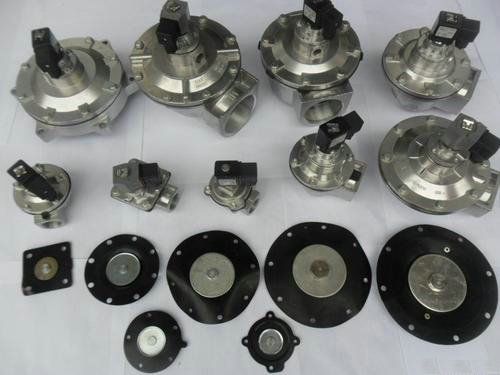
Select by
Electromagnetic valve selection* should follow the four main principles of safety, reliability, applicability and economicity, followed by selection based on six aspects (i. E. Plumbing parameters, fluid parameters, pressure parameters, electrical parameters, mode of action, special requirements)。
1. Electromagnetic valves selected according to pipe parameters: diameter specifications (i. E. Dn), interface approach
1) to determine the diameter (dn) dimension according to the size of the in situ pipe or the flow requirements;
2) interface mode, general >; dn50 selects the french interface and dn50 is freely chosen according to user needs。
2. Electromagnetic valves selected according to fluid parameters: material, temperature group
1) corrosive fluids: emps and fully stainless steels are preferred; super-purified fluids are preferred for food-grade stainless steel electromagnetic valves;
2) high temperature fluids: electro-magnetic valves made of high temperature-resistant electrical and sealed materials are selected, and piston-type structures are selected;
3) fluid state: a distinction must be made between a large and a gaseous state, a liquid state or a mixed state, especially when the calibre is greater than dn25;
4) fluid viscosity: is usually optional below 50 cst and, if this value is exceeded, the high viscosity electromagnetic valve is selected。
3. Selection of electromagnetic valves according to pressure parameters: principles and structural varieties
1) public pressure: this parameter has the same meaning as other general valves and is based on the public pressure of the pipe;
2) work pressure: if the work pressure is low, the principle of direct or step-by-step motion must be chosen; *the work-by-work differential is either direct, step-by-step and lead。
Electrical selection: the voltage specification should, as far as possible, give preference to ac220v and dc24。
Selection based on length of continuous working hours: closed, open or sustainable
1) when an electromagnetic valve is to be activated for a long time and lasts longer than when it is closed;
2) if the opening time is short or when the opening and opening and off is limited, select the permanent closed type;
3) there are, however, certain tasks for safety protection, such as the monitoring of furnaces, kilns, flames, which cannot be selected on a permanent basis and which should be available on a permanent basis。
6. Selection of assistive functions according to environmental requirements: blast protection, back-up, manual movement, water mist protection, gonorrhea, dive。
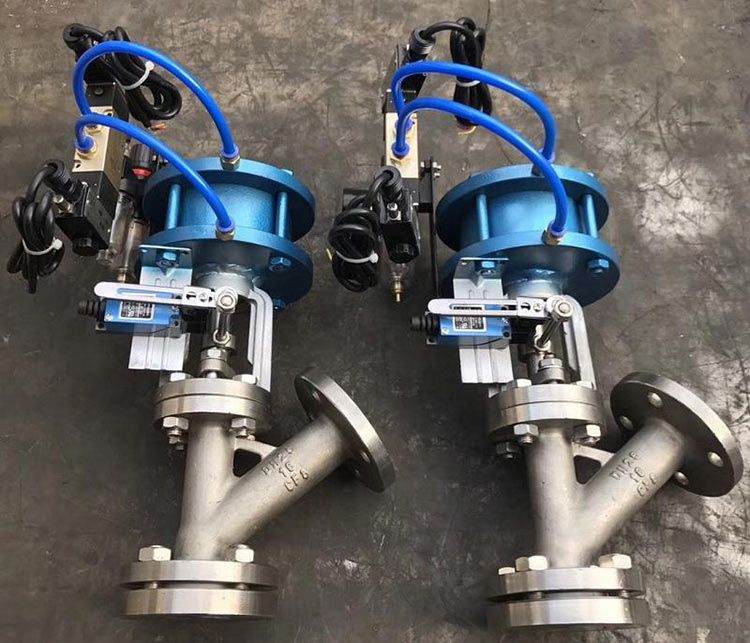
Selective principle
Security:
Corrosive media: the plastic king's electromagnetic valve and total stainless steel should be preferred; for strong corrosive media, the diaphragm formula must be chosen。
A neutral medium would also be appropriate to select an electromagnetic valve using copper alloy as the material for the shell, otherwise rust is common in the shell, especially in less frequent situations。
The ammonia valve is not allowed to use copper。
2. Explosive environment: the respective blast-resistant grade product must be selected, and waterproof and dustproof varieties should be selected for open installation or dust multiple times。
3. Emps shall be stated as having a public pressure exceeding the working pressure of the tube。
Applicability
1. Media characteristics
1) electromagnetic valves of different types in the mass gas, liquid or mixed state;
2) the medium temperature varies from product to product, otherwise the coil will burn down and the seals will age, seriously affecting life;
3) medium viscosity, usually below 50 cst. (b) multifunctional electromagnetic valves when exceeding this value with a diameter greater than 15 mm; (b) high viscosity electromagnetic valves when the diameter is less than 15 mm;
4) when the medium is less clean, all repulsive filter valves should be installed in front of the electromagnetic valve, and direct motion film-form electromagnetic valves may be used when the pressure is low;
5) two-way circulation of mediums that are directed and do not allow reverse flow;
6) the temperature of the medium should be selected to the extent permitted by the electromagnetic valve。
2. Pipeline parameters
1) selection of valve vents and models based on medium flow requirements and pipe connections;
2) select a common diameter based on flow and valve kv values, or a pipe inner diameter;
3) work pressure differentials: *the low work pressure differentials of 0 or 04mpa and above are optional indirect leaders; *the low work pressure differentials close to or less than zero must be chosen in a direct or step-direct pattern。
3. Environmental conditions
1) the thallium and low temperature* of the environment shall be selected within the permitted range;
2) the hydro-magnetic valves shall be selected to protect the environment from high relative humidity and raindrops;
3) the environment is often vibrated, and special varieties, such as ship-based electromagnetic valves, should be selected, for example, in the event of bumps and shocks;
4) use in a corrosive or explosive environment shall be preferred to a corrosive resistant type in accordance with safety requirements;
5) environmental space is restricted by choosing to use multi-purpose electromagnetic valves, which save sideways and three manual valves and facilitate online maintenance。
4. Power conditions
1) the selection of communication and direct current electromagnetic valves according to the type of power supply. In general, communication of power access is easy;
2) the voltage specification gives priority to ac220v as far as possible. Dc24v;
3) power voltage fluctuations usually exchange + per cent. -15%, direct flow allowed to be around ± and, in the case of excess, to apply stabilization measures;
4) the rated current and power consumption should be selected according to the power supply capacity. Note that va values are higher when communication starts and that indirect conductive electromagnetic valves are preferred when insufficient capacity is available。
Control accuracy
1) general electromagnetic valves are open and closed only at two positions, and multiple electromagnetic valves are selected when control accuracy is high and parameters are stable;
2) action time: means the telecommunications connection or the cut-off to the completion of the main valve action;
3) leakage: the values given on the sample are commonly used economic scales。
Reliability:
1. Life expectancy, which is not included in the pilot project, is a model pilot project. In order to ensure quality, name products should be selected from formal manufacturers。
2. Working styles: long-term work, shorter and shorter working hours. In the case of long-term valve openings that are closed only for short periods of time, it is advisable to select a frequent electromagnetic valve。
3 working frequency: when the frequency of the action is required to be high, the structure shall be preferred to the straight motion electromagnetic valve, and the power voice shall be preferred。
4. Action reliability
Strictly speaking, the test has not been formally included in the chinese professional standards for electromagnetic valves and, in order to ensure quality, it should select the brand products of a regular manufacturer。
In some cases, there are not many movements, but there are high reliability requirements, such as firefighting, emergency protection, etc., which cannot be taken lightly。
Of particular importance is the introduction of two joint insurance policies。
Economic
One of the measures it chooses must be an economy based on security, applicability and reliability。
Economics are not only the price of the product, but also its functionality and quality, as well as the cost of installing maintenance and other attachments。
More importantly, the cost of an electromagnetic valve in the entire system of self-control and in the production line as a whole is minimal, and the damage group is enormous if the cheap and cheap selection is the result。










