


Study on technology for energy efficiency and thermal management of vehicle-borne compressed solar systems
Summary of the study
The report focuses on the pure energy-saving, heat-management optimization core scenes of new energy vehicles, and studies the technical value, working principles, energy-saving closed loops and engineering utility of constrictable solar systems in response to such painful points as the limited size of traditional fixed vehicle-borne photovoltaic systems, high wind resistance and limited heat shielding. The core conclusion of this study is that the core value of vehicle-borne solar energy is not to act as the main vehicle-driven energy source, but rather to construct a passive car-wide energy-saving system, optimize cabin heat management and reduce inefficient energy consumption; condensable structures are the key forms in which vehicle-borne photovoltaics can be scaled up and effectively landed, together with a whole vehicle-driven energy recovery, passive insulation system, creating complete vehicle-mounted energy-saving closed rings, with very high volume applications。
Distinguished from the “photovoltaic replacement” error zone of traditional perception, the study identified three cores of anchor energy conservation, heat interdiction, and waste reuse as core components of new energy vehicle heat management and energy efficiency systems, rather than optional configurations。
Ii. Research background and current situation point 2. 1
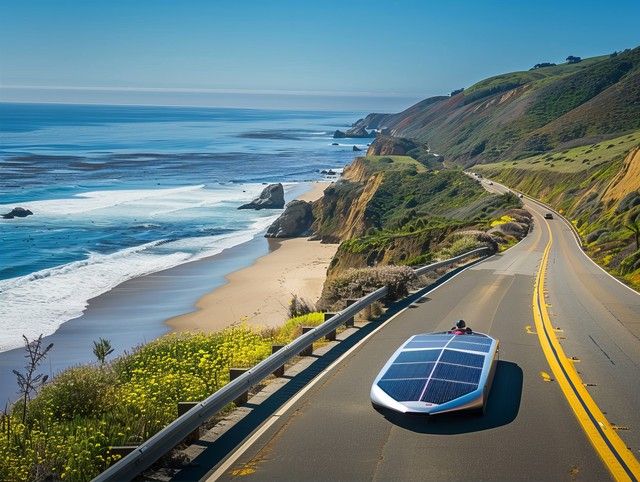
There is currently a general perception bias in the new energy automobile industry with most research and product promotion focusing on "photo-voltage" and excessive pursuit of power generation and renewal, neglecting the core energy-saving value of solar system heat shielding and reducing inefficient energy consumption. In fact, light voltage cannot be the main source of energy for vehicles due to the physical size of the roof, but its value of energy conservation and the optimization of heat management is irreplaceable。
2. 2 traditional pv core pain point
The existence of two lethal panels on fixed roofs severely limits their usefulness:
1. The reverse energy consumption of motor vehicles: fixed exposed photovoltaic panels destroy aerodynamic structures of vehicles, increase high-speed wind resistance, and additional energy consumption generated by motor vehicles, often offsetting revenues from photovoltaic power generation
2. Solidification of light areas: subject to the size of the roof of the original vehicle, fixed by the light area, with limited power generation and insulation under the sunscreen of the vehicle, which does not maximize the use of solar energy resources
Thermal management is monolithic: pv-only power generation does not result in a closed circle of “heat interception-active dissipation-recycling” and solar radiation is wasted。
2. 3 natural energy-saving panels for vehicles
The vehicle's skylight and window are the largest heat leaks in the vehicle as a whole, the glass mass is not able to prevent short-wave radiation from the sun, the direct heating of the heat is directly heating the interior of the cabin, leading to a steep rise in the temperature of the cabin in the sun in the summer, the high load of air conditioners, and the generation of a large amount of inefficient energy consumption, which is one of the core scenes of high electricity consumption and continued loss of new energy vehicles。
Core technical definition and rationale 3. 1 core definition of constrictable solar energy systems
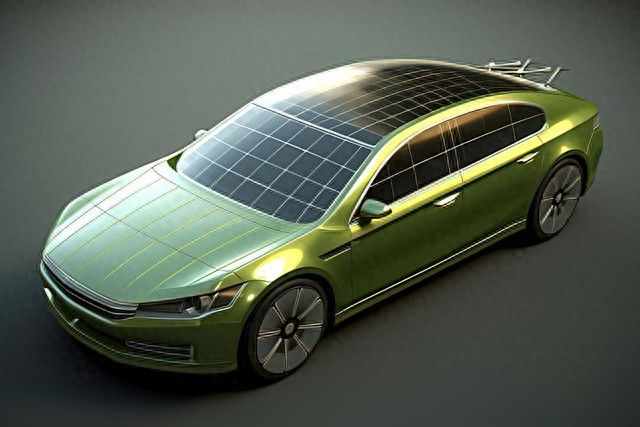
The constrictible solar system is a dedicated vehicle-borne energy-saving system adapted to the full range of vehicle conditions, using mechanical stretch-and-scaling structures to make the condition fit for switching: vehicle movements contract and stationary vehicles are static. (b) a driving state that circumvents wind-retarding energy consumption and protection components; and a stationing state maximizes the light area to achieve multiple energy-saving functions for power generation, heat insulation and heat management。
3. 2 two-tier core energy-saving logic (core innovation of this study)
The system completely distinguishes the two energy-saving dimensions of “energy addition” from “heat interception” and subverts a single perception of power generation:
1. Photo-energy diversion energy saving (source deheating): about 20% of solar direct radiation exposure to photovoltaic components is converted to electrical energy (clean energy-saving increase), with the remaining 80% to panel heat. (a) a significant reduction in the cabin heat load from the source, compared to 100 per cent of the light-to-heat injection of the naked roof and glass skylight into the cabin, which is the core energy-saving value
2. Structural shielding of energy efficiency (process heat retardation): the extended pv covers all areas of the roof and ceiling of the vehicle and completely replaces the original glass and metal ceilings, forming a physical insulation barrier, blocking direct solar short-wave radiation and eliminating direct heat transfer to the inside of the cabin
Fitness to energy efficiency (full-range reduction): no additional wind resistance to vehicle contraction, maximum insulation by stationary vehicles, and resolution of the conflict between the traditional photovoltaic “depletion of vehicle energy and low income from stationary vehicles”。
3. 3 accompanying energy-saving closed ring systems
The constrictable solar system is the energy-saving core of the whole vehicle, which combines two well-established energy-saving technologies to form a complete closed ring:
1. Kinetic energy recovery (saving): recovery of vehicle brakes, derelict kinetic power on the lower slopes and reduction of waste of driving energy
Solar systems (open source + heat retardation): intercepting solar radiation waste heat, adding clean electrical energy, and addressing the waste of sunscreening
3. Auxiliary waste energy recovery (enhancement): photovoltaic side heat can be recycled through mini-dispersive fans, temperature differential power generation modules to further drain energy values without additional energy depletion。
Iv. Core system strengths and practical values 4. 1. Adapting to work conditions and addressing traditional photonodes
Fixed light voltage does not adapt to the condition of motor vehicles, and energy wear and tear from high-speed wind resistance offsets the revenue from power generation; and condensable systems strictly distinguish between scenes: full occupancy, maintenance of the aerodynamic properties of the original vehicle, zero additional energy consumption and zero wind resistance; and fully mobile vehicles with 3 to 6 times greater light area than the original vehicle's fixed voltage, maximizing the energy-saving effects of insulation and power generation。
4. 2 energy efficiency in heat management far outweighs revenue from electricity generation
The largest inefficient energy consumption of vehicles in the summer is from direct sun-scrambling, with a high heating rate for the sun-scrambling cabins on the top of the naked car, and full cooling of air conditioners after getting in the car, which continues to consume large quantities of electricity. The three-heat management efficiency effects of a constrictable solar system are:
1. Source interception: retention of all vehicle roofs with direct sunlight and avoidance of radiation heat into the compartment
Photo-energy diversion: 20 per cent of photo-energy is converted to electricity, does not produce heat and directly reduces total production
3. Scattered heat: the pv and the roof of the vehicle reserve the air troposphere, the exterior distribution of the plate, a significant reduction in the heat to internal transport, a measured reduction of 40 to 50 per cent of the cabin temperature rate and a significant reduction in the inefficient use of air conditioning。
Based on empirical evidence, the return on energy efficiency in system thermal management is much greater than the direct gain from photovoltaic power generation, and is the core solution for the reduction of vehicle stock in new energy vehicles。
4. 3 new energy model, fully adapted
The system is pure electric, interpolated, incremental and full-scale new energy vehicles, without altering the original power structure of the vehicle and the energy supply logic (market power, fuel power supply, system for energy efficiency reduction only) and without changing the whole core structure of the vehicle, which allows modularization to be fitted with original plant standards and is extremely common。
V. Technological architecture and engineering realization option 5. 1
The system consists of four components of a convulsible pv component, an intelligent receiver, a temperature-controlled distillation module, and a microenergy management module, which are light in size and car-level seals, balancing reliability with energy efficiency。
5. 2 core structure design
1. Soft photovoltaic components: introduction of vehicle-borne specialized flexible single-crystal silicon components, scalable transformation, pv efficiency of more than 22%, light impact resistance and adaptation to complex vehicle conditions
2. Electric stretchers: automatic roll-out of vehicles, automatic contraction of vehicles, support for manual control, protection from wind and storm, protection from dust and water, and resistance to inverts
Plugged-to-dispersive structures: a stand-alone air troposphere formed from the top of the vehicle, accompanied by a mini-low-pressure dispersed heat fan (photo voltage self-electrication), with the active removal of the extra-panel heat to increase photovolt conversion efficiency while blocking the internal flow of the heat
4. Microenergy management systems: optical voltage generation gives priority to stationary heat, vehicular weak power systems, excess power is replenished with low-pressure batteries, and energy consumption is consumed from zero。
5. 3 core technical parameters (basic reference)
1. Component pv efficiency: 22%
2. System mppt recharge efficiency: 95 per cent
3. Seat warming inhibition rate: 40-50 per cent
4. Wind resistance by car: 0
5. The number of times the area covered by light is three to six times greater。
Vi. Industry error correction and core conclusion 6. 1 core cognitive revision
1. The core positioning of the vehicle-borne solar system is energy-efficient, not incremental, and does not require primary energy recharge or the pursuit of high power generation
2. Solar panel heat is not equal to ineffectual, with a significant reduction in the net heat load of the cabin compared to the full volume of heat produced on the top of the solar direct-fired vehicle and the properties of light voltage light energy diversion and heat dispersion
3. The condensable structure is a necessary precondition for the operational value of the pv, the fixed pv of the non-constrictive function, the hard faults of energy retrenchment in motor vehicles, and the non-scalable practical value。
6. 2 final findings
A constrictable solar system is the core component of a new energy-saving system for automobiles, and a dual energy-saving closed ring with a kinetic energy recovery system that forms a “motion-saving, open-source heat-retardation” is the key catcher for the optimization of the heat management of the vehicle as a whole
2. The skylights, car windows and roofs are key energy-saving areas of vehicles, and constrictive pv systems can accurately compensate for the heat leaks in the cabins and address hot and high-energy consumption points in the summer of new energy vehicles
3. The entire system is based on a purely energy-efficient scenario, without interference in the main energy supply of vehicles, with no-car energy consumption, fit-out, full-car type, and with strong engineering values and industry prospects
4. The technology of new energy vehicles in the future is not only driven, energy supply upgrades, more focused, energy conservation and reduction, and constrictable solar systems will become the core technology for the design of vehicle-borne energy-saving systems。
Vii. Application perspectives and overviews
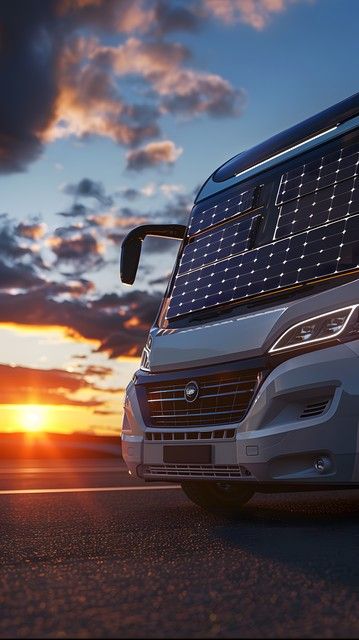
The modularization of passenger vehicles, trailers and commercial operating vehicles can be achieved in the short term, with a focus on the high solar power consumption and open-air power deficit; and the long-term integration of flexible photovoltaics, intelligent sensing, automatic wind control technologies to make the whole scene self-adaptation, further upgrading of thermal heat insulation and energy utilization to become the core iterative orientation of energy-efficient new energy vehicles。









