


The application of drying agents has become increasingly widespread in all industries, with carbon dioxide and molecular drying agents being common options. So what's better than carbon dioxide and molecular drying? In this paper we compare the two dry agents to help you make a wise choice。
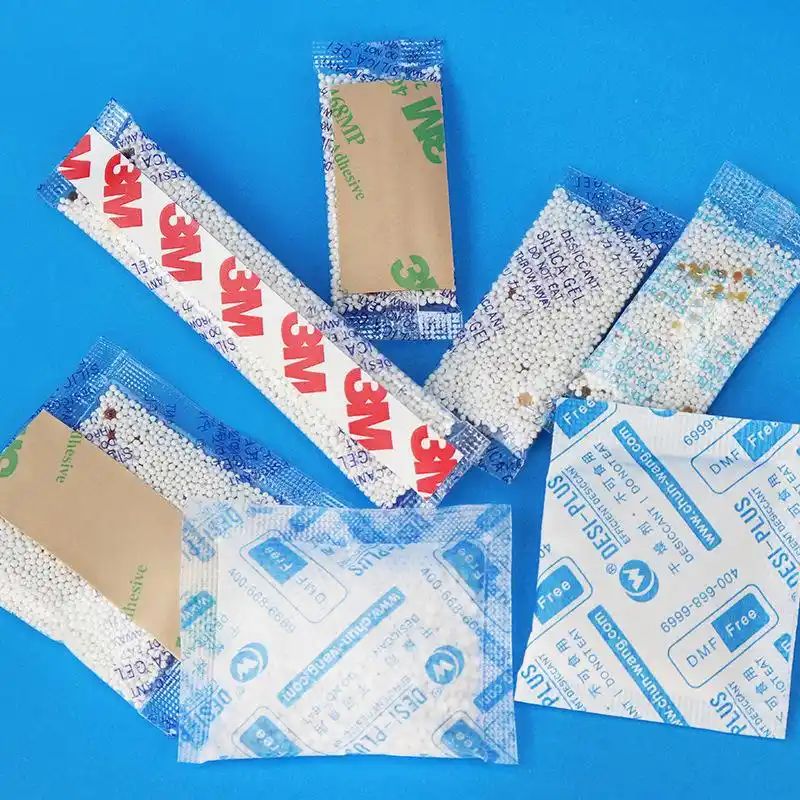
1. Spring oxidizers
Carbon dioxide drying is a physical adsorption drying agent made of a variety of high-adsorption raw material formulations. It is grey, grey and white and has high mechanical strength and stability. High aerobic desorption rates and high adsorption rates are one of the materials that currently perform well in physical adsorption dryers. It locks the water in the air into its own micro-fault molecular structure, which is non-inflated, non-mutilated, non-fracking, non-volatile, non-leaking, safe and stable, non-venom-free, non-corrosive and non-polluting. Carbon-oxygen drying agents are widely used in a variety of product packagings to protect the tide, especially in the safe products, electronics, mechanical hardware, toys, private, packaging, footwear, leather, handbags, bamboo products, instrumentation, etc. In closed space, carbon dioxide dryers are capable of static adsorption to remove moisture and act well against the tide。
2. Choonwang molecular drying agent
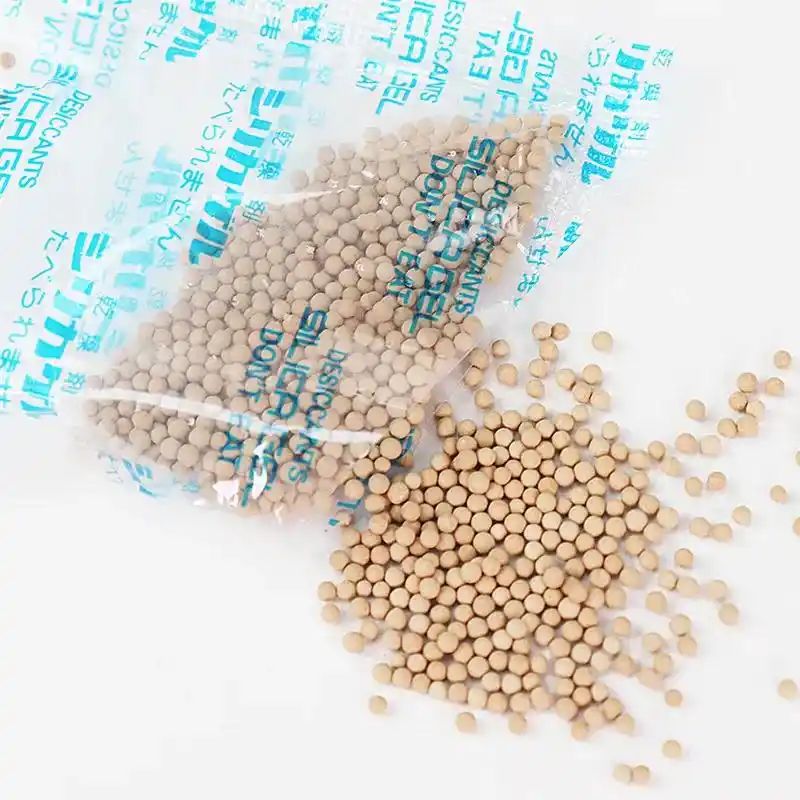
Molecular drying is a physical adsorption drying agent and consists mainly of synthetic molecular sifting crystals. It has a high adsorption capacity and selectivity and is capable of absorbing moisture, organic matter and other impurities in the air. Molecular dryers are widespread. It has important applications in industrial production, with 4a molecules sifting water, and water selection adsorption performance higher than any other molecule。
The choice of a dryer needs to be judged on the basis of the specific context of use and needs. The following are some considerations:
Wetting rate and adsorption capacity: carbon dioxide dry agents have a high rate of 50-70 per cent, which is applied in a dry environment. Molecular dryers have a strong adsorption capacity to absorb more moisture and other impurities. Molecular dryers still have quite high water intake capacity, even at high temperatures, high air speed and low water content。
Carbon dioxide dryers and molecular dryers have advantages in different applications. The final choice should be based on specific needs, use scenarios and economic considerations. If you have specific application needs, advise professional dryer supply business









