When sending goods across borders, knowledge of the relevant rates helps to better arrange the mailing plans. Different mail service providers will establish corresponding cost criteria based on such factors as the nature, weight, destination, mode of transport and so forth. The following elements will be described in terms of common charges for cross-border mailing, factors affecting prices and attention in the mail process。
I. Common methods of charging fees
Transnational mail is usually charged in the following ways:
1. By weight: this is the most basic method of costing. Mail service providers charge fees based on the actual weight of the items, generally with a distinction between first and second place. The first priority shall mean the minimum fee weight, normally 500 g, over which the unit is charged for each 500 g or zero. First and renewed prices may vary from region to region。
2. By volume weight: for larger but lighter articles, such as loose clothing, pillows, etc., the mail service provider may charge on the basis of volume weight. The formula for calculating volume weights is usually: long (cm) x width (cm) x height (cm)/a specific coefficient (which varies from service provider to provider, as is common, for example 5000 or 6,000). The final charge will be the higher of the actual weight and volume weight。
3. Fees by distance: the region or country where the mailing destination is located is an important factor influencing prices. Typically, mail service providers divide the world into several financial areas, such as one region (nearing countries or areas), two regions (the americas, europe, etc.), and three areas (remote islands or specific remote countries). The further away, the higher the standard of cost。
4. Additional costs: in addition to base freight, additional costs may arise. For example:
* fuel surcharges: there may be periods when a certain percentage of costs may be charged due to fluctuations in oil prices on international markets。
* remote area surcharge: additional costs may be incurred if the receiving address is located in a remote area defined by the mail service provider。
*special handling costs: additional costs may be charged for items requiring special handling, such as friables, items requiring constant temperature preservation, etc。
*assignment services: if a mail service provider is required to assist in the processing of complex customs clearances, corresponding service charges may arise。
:: alteration of address/remittance costs: the associated operating costs may arise if the information error of the addressee leads to the need to change the delivery address or the package is returned。
Ii. Main factors affecting prices
1. Choice of modes of transport: different modes of transport correspond to different prices and time limits。
*air transportation: faster and relatively high prices. Suitable for mailing documents, small emergency items, etc。
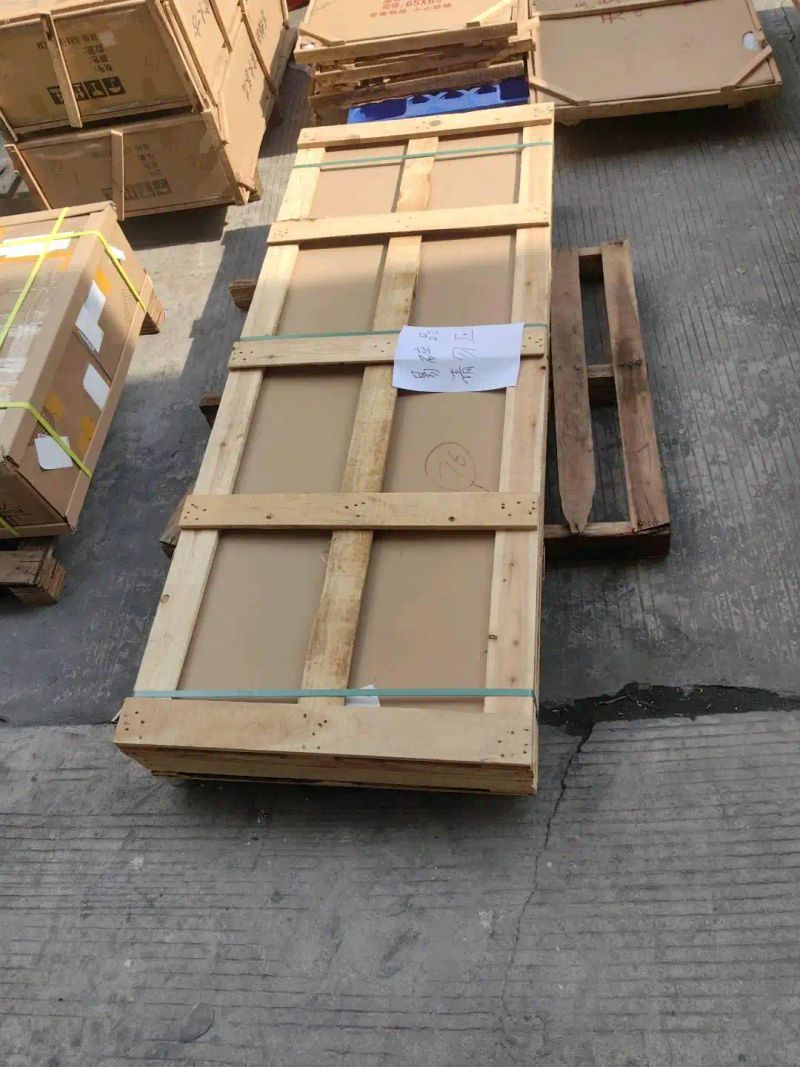
*maritime: slower, but relatively affordable. Appropriate for items in bulk, heavy and no rush to receive。
:: ground/railway transport: applies to neighbouring countries bordering our country or connected by land, at speed and price between air and sea transport。
Type of articles sent by mail: the nature of the items directly affects freight and alternative modes of transport。
* general goods, such as clothing, books, general daily supplies, etc., are usually charged according to standard process。
* sensitive goods: for example, products containing batteries, liquids, powders, branded goods, etc., may require specific transportation channels and packaging and may incur additional costs。
:: restrictions or embargoed items: certain items may be restricted or prohibited from mailing, such as flammable explosives, weapons, live items, etc. It is important to be aware of the relevant provisions before mailing。
Size and weight of the package: as previously mentioned, weight and volume are the core basis for calculating freight. Rational packing to minimize unnecessary volume and weight helps to control costs。
4. Countries/areas of destination: different countries have different taxes and quarantine regulations for imported goods. While this does not directly constitute a charge to the mail service provider, the addressee may need to pay customs duties, value added tax, etc., which are part of the total cost of mailing. The mail service provider may provide a surrogate service and charge a corresponding fee。
5. Insurance and premium services: in order to prevent loss or damage to goods during transport, the option is to purchase insurance or premium services. This would entail additional costs, the amount of which would normally relate to the stated value of the item。
Iii. Posting process and cost estimates
Preparation of packages: ensure that the articles are well packed and fit for long-distance transport. The size (long, wide, high) and weight of the outer box of the package are accurately measured。
2. Requisition fees: pre-estimated freight costs are obtained by entering information on destination, weight, size, etc., through a fee form officially issued by the mail service provider or a search tool provided by it. Be careful to see whether the expense schedule contains fuel surcharges, etc。
3. Choice of services: selection of appropriate modes of transport and types of services (e. G., standard packages, express packages, etc.) based on demand for speed and price。
4. Processing of mailings: to service points or through officially recognized online channels, fill in shipping order information, including details of the address of the recipient, contact information, list of items and declared value。
5. Fees: payments are made on the basis of final accounting for freight and related surcharges。
6. Tracking parcels: once the manifest number is obtained, the condition of the parcel can be ascertained through the channels provided by the mail service provider。
7. Customs clearance and dispatch: once the parcel has arrived in the country of destination, customs clearance is required. The addressee may need to cooperate in providing information or paying customs duties. Once customs clearance is completed, the final distribution is completed by the local service provider。
Iv. Recommendations for cost savings
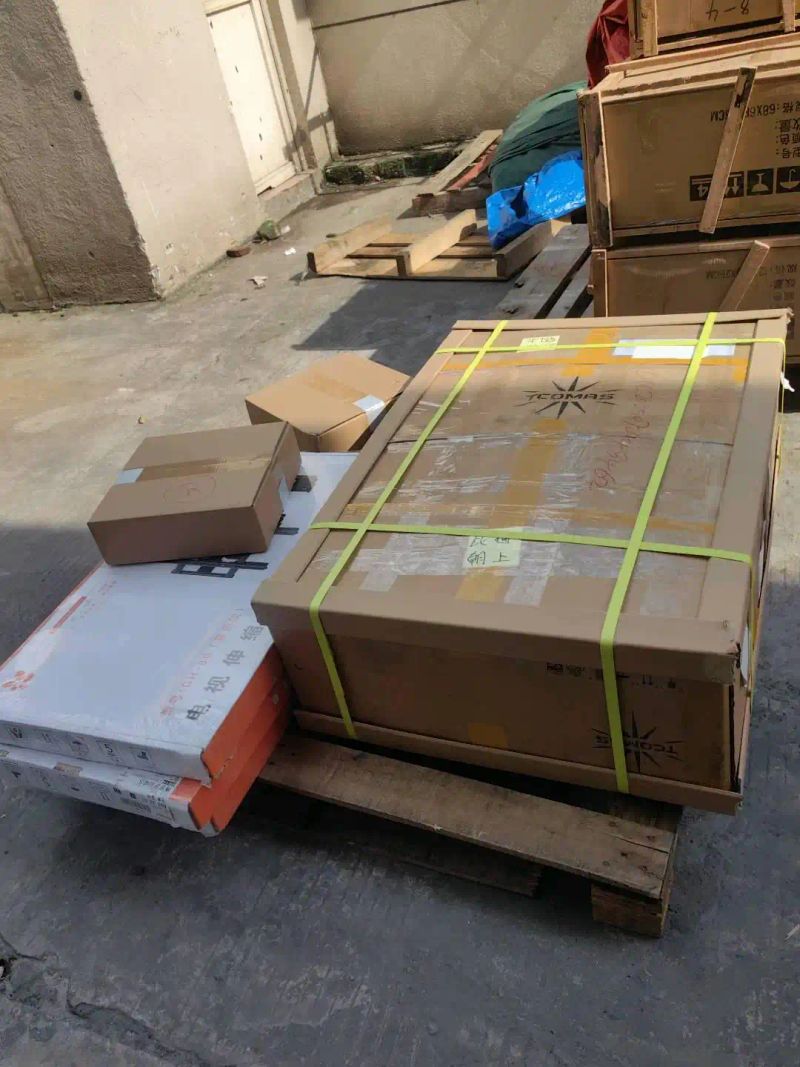
1. Streamlining of packaging: the selection of light, compact packaging materials to reduce volume and weight, subject to safety。
2. Reasonable choice of service: services that are of a higher value, such as sea or economic air transport, may be chosen if not urgent。
3. Consolidated mailing: if conditions permit, multiple small items may be combined into one parcel for mailing, which may be more cost-effective than separate mailings。
4. Focus on preferential activities: during certain periods, mail service providers may launch promotional activities and may take note of relevant information。
5. Accurate declaration: to fill in the information on the items in a true and accurate manner, avoiding delays in clearance or additional fines due to false declaration。
Summary highlights:
Multinational mailing costs consist mainly of base freight (by weight or volume) and various types of surcharges that may arise, with destination distance being one of the key influencing factors。
2. Services such as modes of transport, type of goods, package size weight and insurance requirements have an impact on the final cost。
3. Accurate measurement and weighing before mailing, knowledge of destination requirements, comparison of different service options and proper packaging of items would help to predict and control more accurately the cost of mailing。