


It's a double “11” electrician shopping party, and all internet buyers must be able to clear the shopping van once and for all. If you buy something that's not suitable, don't worry, you'll get a refund for freight。
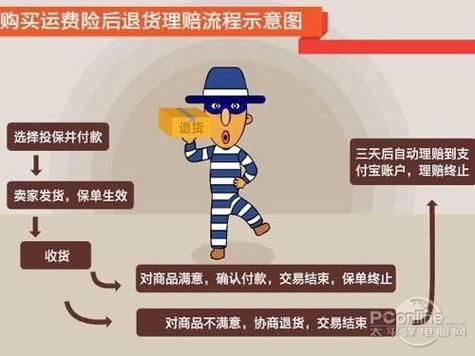
It is understood that, in order to provide users with a better shopping experience, in recent years major electric operators, in cooperation with insurance, have sought to provide both buyers and sellers with insurance coverage. Of these, the refund freight risk is insurance against liability under the contract for a one-way refund in the event of a return request by the seller or buyer. Shortly before, a friend of the internet, after receiving a commodity purchased on an electrician platform, negotiated the return of the goods, because the material did not match the picture. But the consumer, who is asked to make up for the freight differential, wonders why he has to pay part of the freight on the order because of the refund insurance

In fact, the general maximum amount of reimbursement for refunded freight is $18. It is understood that the refund premium is linked to the actual order content, consumers, etc., and that the amount of compensation is determined by the distance between the buyer's place of receipt and the seller's place of return. In other words, the amount of freight settlement available for reimbursement of freight insurance is calculated on the basis of the geographical distance between the shipping address and the receiving address, rather than on the basis of the size and weight of the actual returned goods, so that there may be a situation where the actual return freight is more than the settlement freight received. If the seller's liability leads to the return of the goods, the seller may be required to supplement them, or if the buyer is responsible for the additional freight charges for the buyer's reasons (unjustified return)。
However, due to the high degree of automation of the entire process of refunding freight risk, consumers often check directly on order pages in the course of their operations, without a careful reading of the insurance terms, and the lack of clarity about the contract contents, such as insurance liability, exoneration content, settlement amount, insurance period, etc., makes the settlement phase prone to disputes. It is therefore recommended that consumers, when buying online, link the insurance provisions to provide for the avoidance of freight risk by reading the insurance coverage in the insurance contract, the settlement process, and the exemption clauses to guard against contractual exemptions。

Moreover, consumers should judge rationally whether they need to buy back freight risk, and whether there is a risk of re-purchase based on the choice of goods, such as multiple purchases, daily life categories, high-quality categories, etc., which are less likely to occur, and consumers should decide whether to buy on the basis of actual circumstances. In the event of a settlement, the insurance company should be requested to settle the claim in a timely manner and the appropriate formalities, including filling out the return consignment note, the reasons for the return, etc., should be performed to ensure prompt compensation。









