


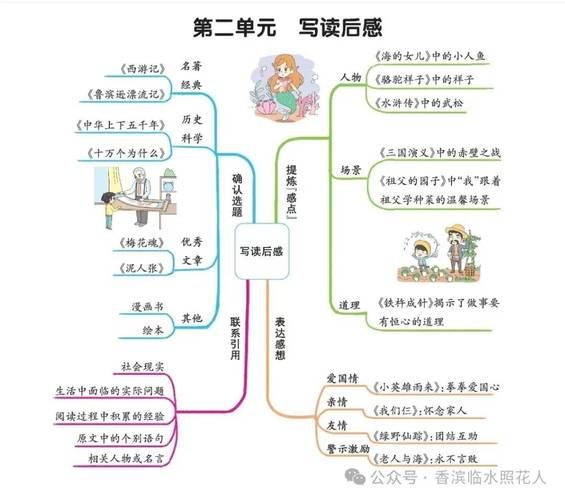
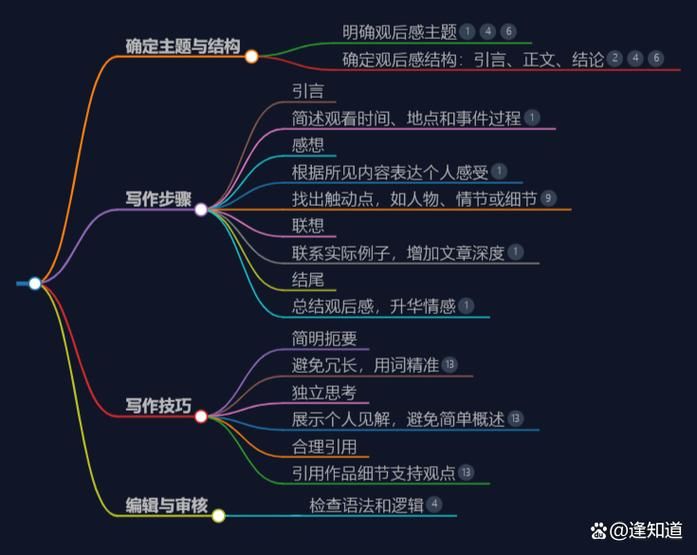
Writing a post-literate sense is an important way to reflect and express the work after reading, not only by contributing to a better understanding of content, but also by improving individual writing and thinking. Here is a summary and analysis of the “six steps of writing a post-reading sense”, which helps you to systematically complete a deep, logical post-reading sense。
I
Before writing a post-reading feeling, it is important to identify the books or articles that you read and to understand their basic content and subject thinking. It's the basis for a good reading. The following six steps could then be followed to organize their thinking and language:
1. Read the full text and understand the content
The first is to read the original text carefully and ensure a clear understanding of the whole content of the work, the relationship between the person and the person, its development and its thematic thinking。
2. Refinement of core perspectives
On the basis of understanding, the identification of the core ideas or main points of view that the author wishes to express will be the centrepiece of your reading sense。
3. Combining one's own experience or feelings

The post-reading sense is not just a restatement of the content, but rather an addition to individual feelings and perceptions, making the articles more authentic and contagious。
4. Analysis of strengths and weaknesses of works
An objective assessment of the structure, language, character formation, etc. Of the work, indicating its strengths and weaknesses。
Linking to reality or social context
Linking works to real-life, social phenomena or historical contexts, increasing the depth and breadth of articles。
6. Taking stock and providing insights
Finally, it collates its own feelings and reflections, arrives at a complete conclusion and can present its own ideas or recommendations。
Through the above six steps, you can write a clear, informative and personal reading sense。
Ii. Presentation of tables
Steps
Contents
Attention
Read the full text and understand the content
To ensure that the work as a whole is fully understood and that it is not taken out of context
Refinement of core perspectives
Seize the author's main intent and avoid deviating from the subject
Combining your own experience or emotions
Joining personal feelings, enhancing the true sense and resonance of articles
Analysis of strengths and weaknesses
Objective evaluation, avoiding one-sided or emotional expressions
Link to reality or social context
To expand the dimensions of thinking and the depth of the articles
Summarizing awareness and providing insights
Summarizing feelings, expressing independent thinking
Through the above six steps, it is possible not only to systematize its thinking but also to make post-reading sense more logical and personal. And whether you're a student or a literary fan, it helps you better express your reading experience。









