


From the mba think tank encyclopedia (https://wiki. Mbalib. Com/)
(redirection from price fraud)
What is a price fraud
Article 14, paragraph 4, of the prices law of the people's republic of china stipulates that operators may not use false or misleading price instruments to lure consumers or other operators into dealing with them. Such price violations, commonly referred to as price fraud or fraudulent price expressions, refer to actions by the operator to deceive, induce consumers or other operators to deal with them, using false or misleading forms of pricing or price instruments。
13 acts of price fraud
The regulations on the suppression of price fraud, which were introduced by the national planning commission as from 1 january 2002, identify the following 13 price acts as price fraud:
The name, place of production, specifications, grade, quality, unit of measure, price, etc. Of the goods indicated, etc., or items of services, fees, etc., are not in accordance with the actual practice and are used as a means to induce consumers or other operators to purchase them。
In the case of the same goods or services, two price tags or price lists are used simultaneously at the same place of dealing in order to hire customers at a lower price and settle at a higher price。
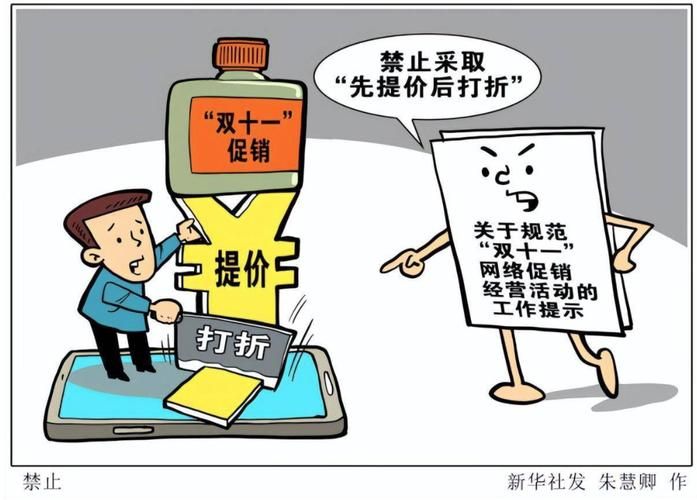
3. The use of deceptive or misleading language, text, picture, unit of measure to induce others to deal with it。
Prices such as the stated lowest market price, offer price, wholesale price, special price, extreme price, etc. Are not justified or comparable。
5. The discounts indicated for the sale of goods or services at reduced prices do not correspond to the actual amount。
6. When dealing with commodities, the prices of processed and processed goods are not indicated。
Sale of goods and provision of services on the basis of an off-the-shelf gift is less likely to indicate that the name, number or gift of the gift is a false commodity。
8. When the acquisition, sale and provision of goods is accompanied by conditions attached to the price, they are not marked or vaguely indicated。
9- fiction price, cause of false price reduction, false preferential discount, falsely claiming that the price is reduced or that the price will be raised to induce others to buy。
10. Pre-acquisition, sale of goods and provision of services are subject to price commitments, default or incomplete performance。
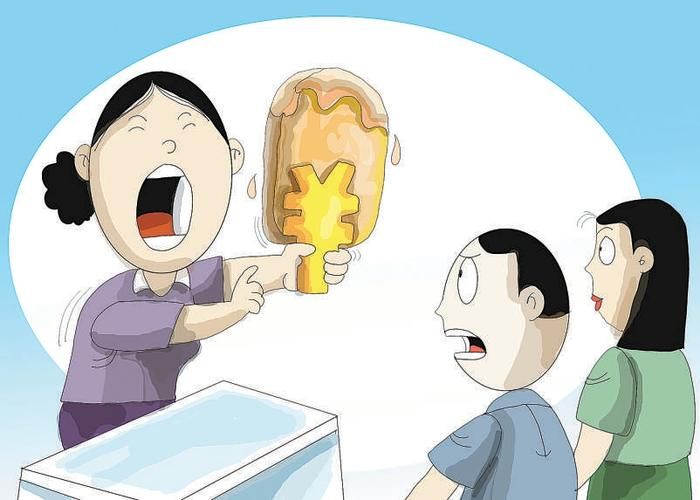
A false claim that the purchase or sale price is higher or lower than that of the acquisition or sale price of the other operator induces the consumer or operator to deal with it。
12. The quantity or quality is not in line with the price by mixing or falsifying it in such a way as to make it look like it's true, to make it good, to make it worse。
13. Prices of goods and services subject to market adjustment are falsely referred to as government pricing or government-directed prices。
Ten manifestations of price fraud
According to npc, price fraud detected at various locations in the price fraud market is prohibited, mainly in the following 10 manifestations:
1 fake pricing: if a restaurant's catering department indicates a price of 78 yuan per pound for a snout on a commodity price tag, the customer settles its account at 200 yuan per pound and claims that the price tag is signed by a small snout, misleading the consumer with a false price. Also, as in a furniture town, a genuine leather couch is marked on the price tag as “italy”, whereas the actual origin is guangdong province。
Two sets of prices: if a hotel uses two sets of price books to defraud consumers. When customers order their meals, they provide low-priced price bookings, which are settled at a high-priced price book, and when a customer orders 12 types of cuisine, it is found that the price of 10 of these dishes is higher than the price indicated in the offers, with a maximum of $9 and a minimum of $2 and an additional $36。
3 fuzzy pricing: if a firm promotes sales at an “offer price”, the sale of a branded washing machine indicates a “outer price” of $950 in misleading terms and the actual outlet price of the model washing machine is $920. Moreover, when a hotel offers a price promotion on the basis of “special price duck” of $38, it is actually settled at $48. When the consumer asks what is a “special price”, the hotel falsely claims that the first three customers are entitled to a “special price” per day。
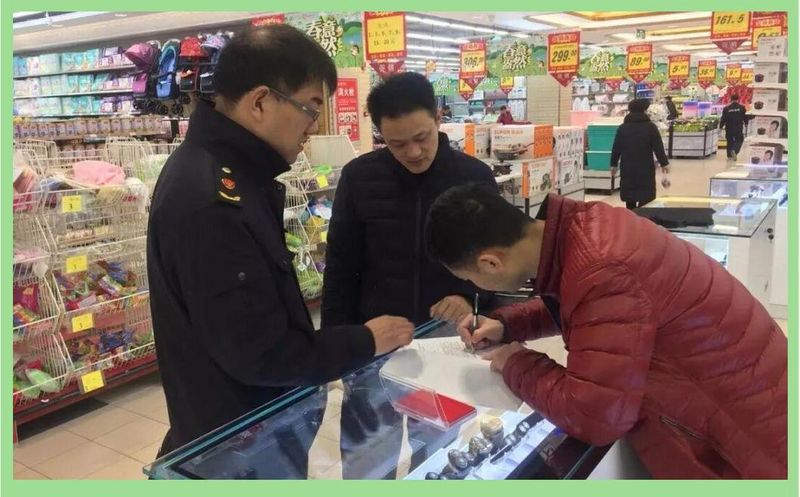
4. Exaggerated pricing: a company in its place of business promotes “the lowest prices in the whole market”, “all commodity prices are below their peers”. In fact, the price of domestic electricity commodities is mostly higher than that of other businesses, misleading consumers to buy it. Also, as a company has marked “the lowest market price for the consumption of mobile phones of all types” in its prominent location. The actual “market-wide minimum price” that the store called was not only unfounded but also uncomparable。
Fake discounts: when a store promotes prices in the words “two discounts at a time”, consumers find that only two of the 100 commodities are sold at a rate of two. A clothing store, for example, recommended to the customer, with a billboard, a total of 8. 50 discounts for a branded garment, but the consumer purchased the brand's mink-collar coat at an original price of us$ 1998 and a sale price of us$ 1698. 3 at a discount of us$ 1798. The original price of the loose sweater was $1080 and the discount was $918, while the actual price was $1030。
6. Fuzzy offerings: for example, a catering company, where it operates, makes a stamp for “bullety cow city buys one to one” and a night market buys two to one, without indicating the name and quantity of the goods given. After consumers consume a pound of fat cow, only a small plate of lamb is given. Moreover, as a grain store signs up to five litres of food rations and oil, without indicating the name and quantity of the gift, only a small bag of peanut rice is actually given to consumers。
7. Implicit price conditionalities: for example, a department store promotes “shopping back a, b coupons”, where a voucher a can be used as cash without informing the consumer that it can only be used with the equivalent of rmb in cash and misleading consumers to recycle within the store。
Fiction price: if a mall sells a wallet, the original price is stated at $158 using a price reduction sign and the current price is 98. A transaction document at the original price cannot be provided. Moreover, if a department store sells a branded clothing at a reduced price of $3,500 for the original and $190 for the current price, it does not provide the original paper for the transaction that was made at the place of the transaction the previous time。
Non-fulfilment of price commitments: when a supermarket promises to consumers to buy a branded clean rag for three deliveries between 12 january and 15 january 2009, the actual consumer is not given a gift. Sale of a brand name of yogurt, promising to consumers that if five glasses of 125 g of yogurt are purchased, a 20 per cent discount on preferential family clothing is introduced. The original price was $6. 2 and the post-concession price was $4. 96, but the customer settled it at the original price。
10. Quality versus price, quantity versus price: if a store of electromechanical products sells a branded refrigerator for quality problems at a price that is not commensurate with the price. And like a three-dollar bag of sugar at a store, it's marked at 1,000 grams per bag, while the actual weight of each bag is only 750 grams, which is not the same amount。
From "https://wiki. Mbalib. Com/wiki/%e4%bb%b7%e6%e0%ec%e6%ac%ba%e8%e8%e8%e8%a1%a1%e4%ba"









