


01
What's flatfoot? How should i judge
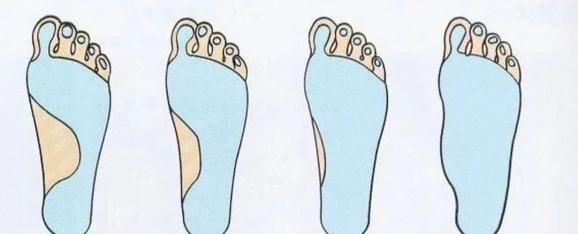
What's flatfoot
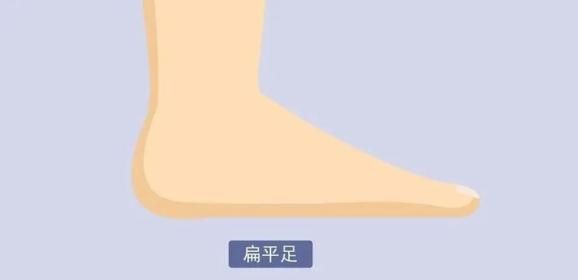
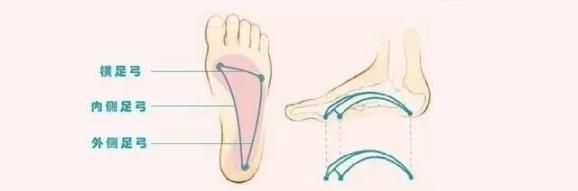
The flat foot means the disappearance of the bow, with the normal human bow at an altitude of 14 mm-18 mm, the flat foot below 14 mm, and the high bow foot above 18 millimetres。
The flat foot, known as the fall of the bow, means the flatness of the inside side of the foot, the abnormality of the bearing line and the flatness of the foot with symptoms of fatigue or pain。
The flat feet are common among infants, children and adolescents. Some can heal as they age, but others can deteriorate。
Most flat feet do not themselves have obvious symptoms, but over time they cause pain and affect other joints of the body。
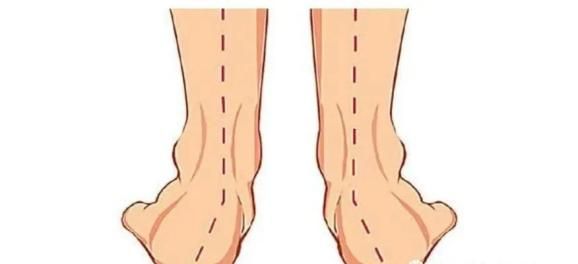
The early symptoms are pain on the inside of the front of the ankle, increased long standing or walking, relief from rest, swelling of the pain joint, difficulty in walking, eight words on the heels of both feet。
How do we judge if there are flat feet
Footprint analysis is a simple, fast and economical measurement method。
Footprint analysis indirectly diagnoses flat feet, which, because of their simplicity and effectiveness, have been widely applied to the assessment of the rectangular position of the bow and the extremity of the bone。
Footers can be classified by measuring footprints and can be evaluated for the height of the intra-foot bow and the extent to which it is reversed。
Usually, you can put napkins on the floor and step on them with water-drinking soles to see your footprints。
02
What would cause flat feet? What are the hazards
What would cause flat feet
1. Inheritance factors such as genetics。
2. Post-mortem factors such as long-term heavy standing, long-distance travel, inappropriate soles of shoes, high heels, etc。
These conditions can lead to an overload of the bow, while the muscles and tension of the bow are limited and the bow will gradually be flattened。
3. A person whose muscle strength is insufficient for long periods of bed rest, or whose foot muscles are weak, and whose muscles and dyslexia are chronically inactivated, loses the elasticity of the foot tissue, leading to the collapse of the foot bow。
What are the hazards of flat feet
1. Impact beauty
The presence of the bow can provide a good buffer and protection for the foot joints and muscles and does not cause damage to the feet by overloading them。
In the absence of a bow, the impact of the ground on the feet will increase, the skin and muscles will be worn more severely and the joints will undergo greater deformation。
That is why flat feet and thumb turns often occur simultaneously, and they interact with each other in a vicious circle。
2. Vulnerability to heel injury
As flatfooters walk in eight-word shapes, toes point out, and the back heel and the inside of the soles of the shoes are easily worn, causing heel injuries。
3. Inability to walk or exercise for long periods
Long walks or excessive exercise can easily lead to inflammation of the foot by overuse, and pain can result from inappropriate force on the joints。
4. Inflammation pain
The flat feet often lead to symptoms such as foot dyslexitis, foot pains, hemophilitis, knee cystitis, hemorrhoids, thumb flips, back pains and even neck pains。
5. Impact on bone development
As the age of the child increases, the development of the spinal column of the child is also affected. The back of the knee, pelvis tilts, spinal bends, shoulders, etc. Are flat-footed “effects”。
03
The flat foot causes pain? I'll teach you four moves to improve flat feet
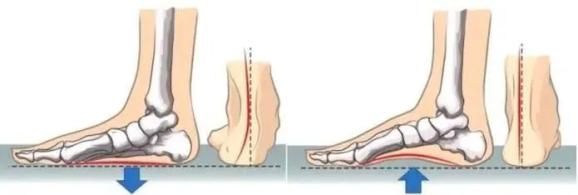
What about flat feet and pain?
In fact, not only pain, but also walking abnormalities, repeated sprains, out-of-knee flips, pelvis tilts, spinal bends and shoulders can all be related to flat feet。
Patients with flat feet with such symptoms require a comprehensive assessment by a specialist, stretching training for muscles and muscular muscles, or a choice of orthopedic shoe pads, with minor surgery if necessary。
Orthopaedic shoe pads have very similar functions to glasses. Glasses do not really improve eyesight, but only act as correctives。
The form of a fixed stand alone helps to secure good support for the foot and improves the problem of the arctic。
Four moves to improve your flat feet:
1. Relaxing the bottom
On standing or sitting in a chair, one foot is supported to maintain balance, while the other foot rolls back and forth slowly, 20-30 times each, two or three times a day, with the sole of the foot (the area between the bone and the toe joint)。
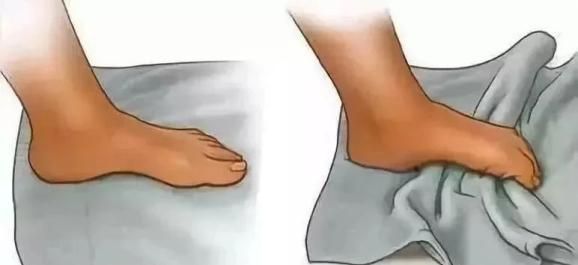
Frozen by foot the towel
Put a dry towel under your feet, hold the towel with your toes for three seconds, and then relax and retake 15-20 times, 2-3 times a day。
3. Standing or sitting on the heels
Sitting on the chair, keeping the soles of the feet and toes in contact with the ground, then moving up the heel, while pushing the knee down with both hands against the legs。
Lift it to the top, hold it for three seconds, and then put down the heel. Repeated heels 15-20 times, 2-3。
Raise the big toes
Standing or sitting, on the soles of the feet, flipping the big toes up as far as possible, remaining in five seconds and dropping them down, repeating 15-20 times, two-3 times a day。









