
No. 1 serial
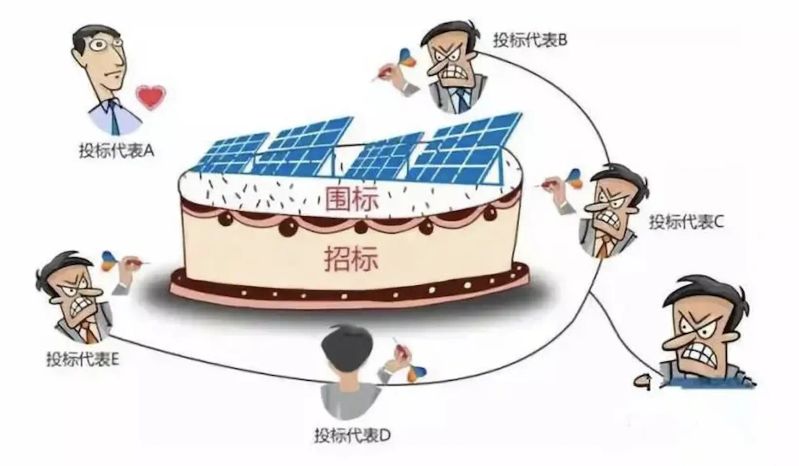
This refers to mutual agreement between bidders that, in the course of the bidding process, the offer is raised or downgraded by improper means, crowding out other competitors and winning a single stakeholder. For example, several bidding firms agreed in advance to raise the prices uniformly, allowing one of them to win at relatively high but manageable prices。
No. 2 parameters
This refers to the fact that, in the tender project, a number of enterprises participate in the tender but do not actually have the will or capacity to win the bid, only to coincide with the winning bid of a particular enterprise, in order to create the illusion of competition. For example, a company had established a winning bid, but several well-connected enterprises had been found to run in order to comply with the bidding process。
No. 3 cursor
Typically, there is an alliance between several bidders to manipulate the results by limiting competition and crowding out other potential bidders. For example, several enterprises joined together to monopolize bids for one project, preventing other enterprises from competing fairly。
No. 4 intentional drift
This refers to the fact that the tenderer or the tenderer deliberately resorted to certain improper means, which resulted in the successful identification of the successful tender for the tender project and required a rebidding. For example, the solicitation parties deliberately set too high a threshold or unreasonable conditions to allow all bids to deviate from the requirements。
No. 5 private opening of tenders
Bid documents are opened privately when the required time and procedures for opening tenders are not reached. This constitutes a serious violation of the principles of fairness and confidentiality in the solicitation of tenders。
No. 6 discrepancies
The bottom line is the expected price or budget for the tender project, and the disclosure of the bottom line means that this key information is disclosed in advance to a particular bidder, which will have an advantage in the tender. For example, the tender party's in-house personnel inform a closely related tender business of the bottom line。
No. 7 zero
This refers to the fragmentation of an entire project into a number of small projects, with each small project being smaller than the mandatory solicitation criteria, thereby circumventing the bidding process。
No. 8 misdirection of the enquiry
During the bidding process, the tender party makes a misperception through inappropriate questions, suggestions or guidance, thereby affecting the results of the tender。
No. 9 blocking information
The solicitation party deliberately concealed or restricted certain important solicitation information, thereby depriving some potential bidders of opportunities for fair competition。
No. 10 irregular tender
The tenders submitted by the bidders did not meet the requirements of the solicitation documents in terms of format, content, signature, etc。

No. 11 shortfalls in evaluation hole
Institutional or procedural deficiencies in the evaluation process lead to unfair or inaccurate evaluation results。
No. 12 exclusive clauses
Certain provisions in the solicitation documents specifically exclude specific potential bidders or restrict their participation in the tender。
No. 13 obstacles
The bidders deliberately set unreasonable difficulties and conditions for the participation of some potential bidders。
No. 14 raise the threshold
Significant upgrading of bidders ' qualifications, performance, technical requirements, etc., changes in the corresponding conditions due to process changes, and internalization of suppliers。
No. 15 delayed operations
Deliberate delays in the solicitation, evaluation or contracting process may have an improper purpose。
No. 16 alts, high contracting
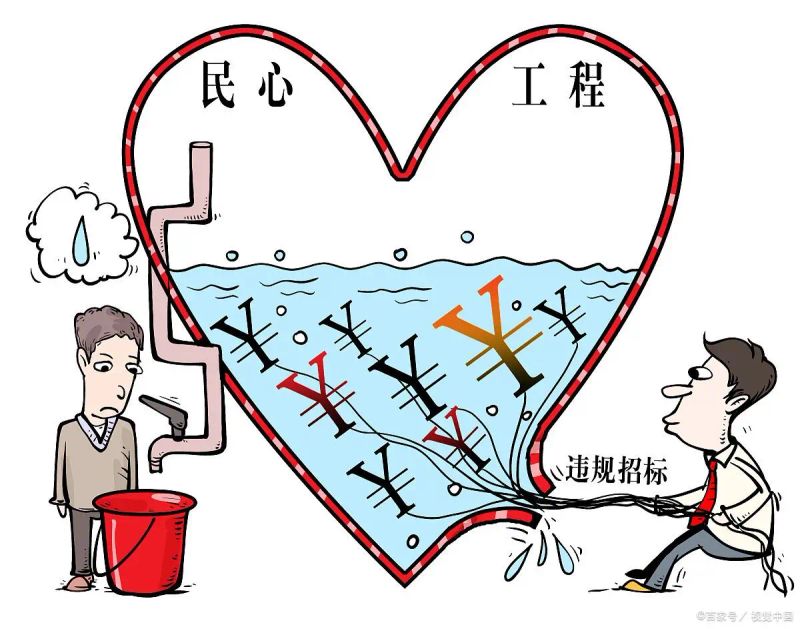
Tenders are awarded at extremely low prices, and prices are raised by various means during subsequent contracting or execution。
No. 17 simplified target
The streamlined tendering process may omit some of the necessary links and procedures, weaken internal controls and regulations, and affect the fairness and normative nature of the solicitation。
No. 18 standard
In order to meet the objective of assisting a supplier in winning the bid, and in order to meet the requirements of the bidding process, tender parties that did not meet the requirements were invited to participate in the bidding on an ad hoc basis。
No. 19 local indicators
Qualification of off-site bidders, disguised protection and invitation to bid by preferred suppliers。
No. 20 division
To invite familiar bidders to cheat and engage in fraudulent competition. Rotation, profit-sharing。
No. 21 special
On special grounds, one way of avoiding open tendering is avoided。
No. 22 human condition indicators
Determination of the bid for the winning bidder based on human relationships rather than fair competition。