


Recently, a lot of people have been wondering, "how are prices so expensive?" faced with the rising cost of living, people are beginning to think about the reasons behind it and the responses to it. This paper will analyse the main reasons for the current price increases and explore responses at the individual and societal levels by way of enumeration。
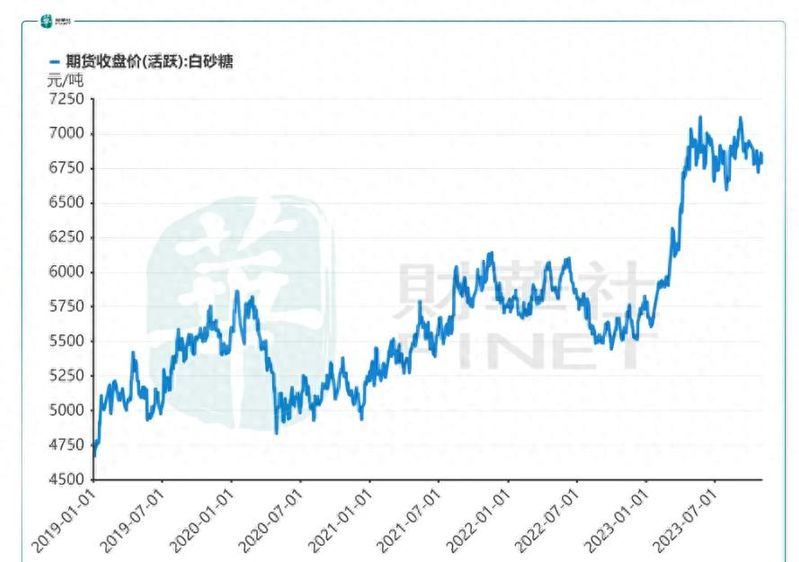
1. Continued rise in raw materials prices
First, an important cause of price increases is the rising prices of raw materials. Prices of important raw materials, such as oil, metals and so on, have experienced fluctuations globally, putting direct pressure on the production of various commodities. This rising cost of raw materials is gradually being channelled to consumer goods, raising commodity prices。
2. Increased transport costs
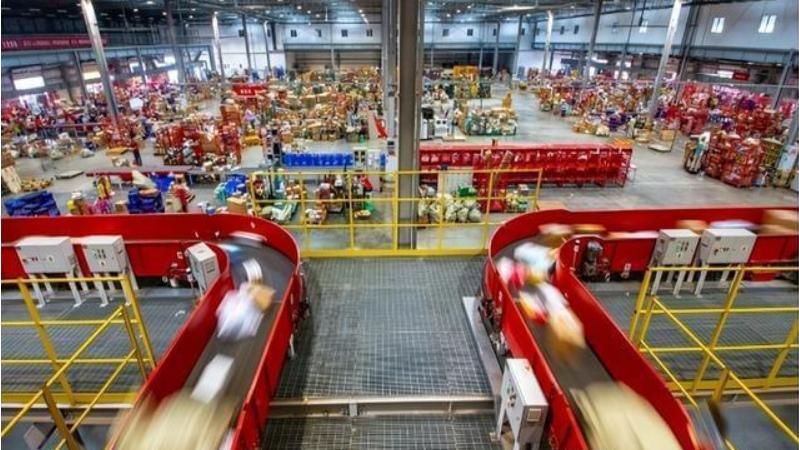
Second, increased transport costs are also a key factor in price increases. As global logistics develop, transport networks expand and transport and logistics costs rise. In particular, in special times, such as natural disasters, global crises and so forth, the disruption and rehabilitation of the logistics chain will require additional costs, resulting in an eventual increase in commodity prices。
3. Rising labour costs
The demographic dividend era ended, with fewer newborns, fewer labour and rising labour costs. Rising labour costs are also an important cause of price increases. As society develops, demands for work are rising and wages are rising accordingly. This has contributed to an improvement in the standard of living, but has also led to an increase in the operating costs of enterprises. In order to maintain normal operations, enterprises have to shift costs to product prices, ultimately borne by consumers。

4. Unbalance between supply and demand
The imbalance between supply and demand is also an important cause of price increases. During certain periods, demand for some commodities far exceeded supply, resulting in a marked rise in prices. In such cases, market mechanisms cannot be rapidly adjusted and the momentum of price increases will be maintained。
The most obvious imbalance is that agricultural products in rural areas are not available and cannot be bought in urban areas. Why

Response
Since rising prices are the focus of social attention, we should also think about how to deal with this situation and make life more liveable。
1. Raising personal financial awareness
In the first place, individuals should be financially conscious and properly plan their own expenditures. The rise in the cost of living can be better addressed by avoiding unnecessary expenditure through budgeting and rational consumption。

2. Upgrading their vocational skills
When it comes to rising labour costs, individuals can seek higher pay by upgrading their vocational skills and increasing their market competitiveness。

3. Strengthening regulatory and policy guidance
At the social level, it is also the responsibility of the government and the regulatory authorities to strengthen regulation of the market, regulate the market order and prevent harmful competition in order to ensure price stability。

4. Promoting science, technology and innovation
The promotion of science, technology and innovation is another way to address the issue of price increases. Through technological innovation, production efficiency can be improved and production costs reduced, thus curbing excessive price increases。

Summary
It is indeed a matter of concern, but we cannot help it. Through rational analysis of the causes of price increases and corresponding measures at the individual and societal levels, we are expected to better adapt to this reality and jointly address the challenge of rising cost of living. Together, society is confident that we can find more innovative ways to make life better。









