



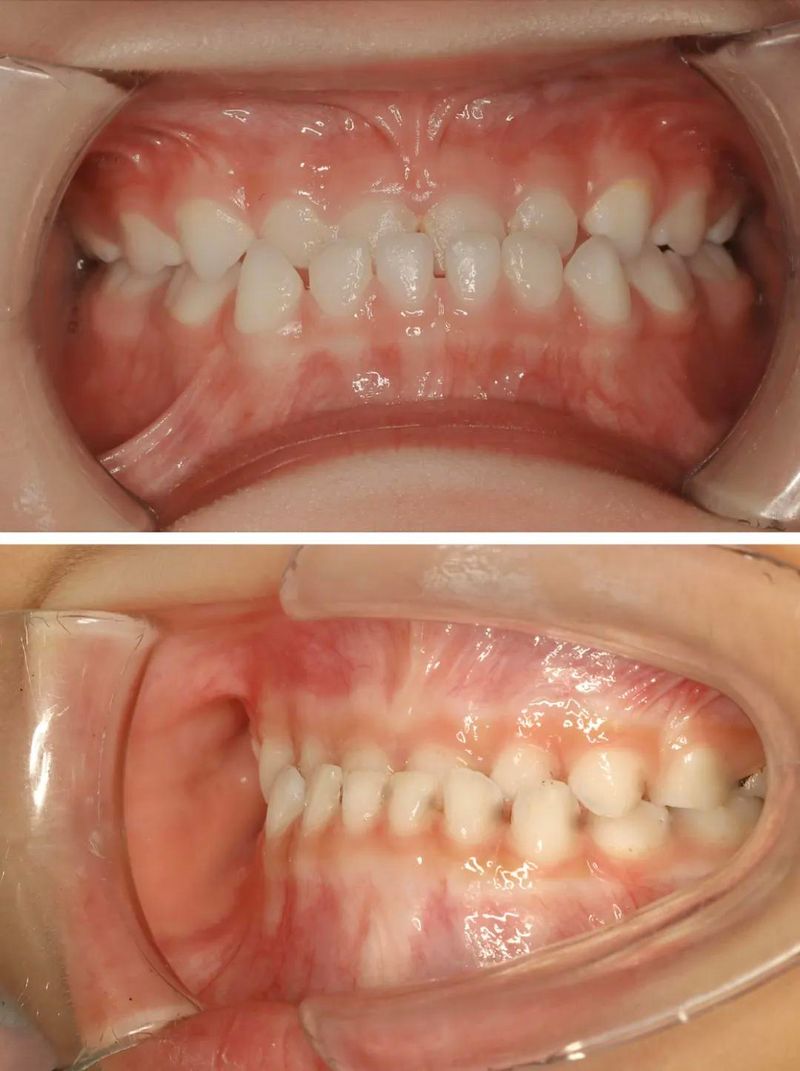

“the earth”, medically known as the front teeth, is a common mist. Simply put, the lower teeth are wrapped in upper teeth and the side looks like the “monar tooth face”, which not only affects pigmentation but also hinders the development of the upper cheekbones, leads to chewing and even affects pronunciation. Thus, the sooner the intervention takes place, the better the treatment, the more difficult and less costly it will be. The treatment is closely related to the age and developmental stage of the patient。
Guidelines for the treatment of age groups: how to treat different stages
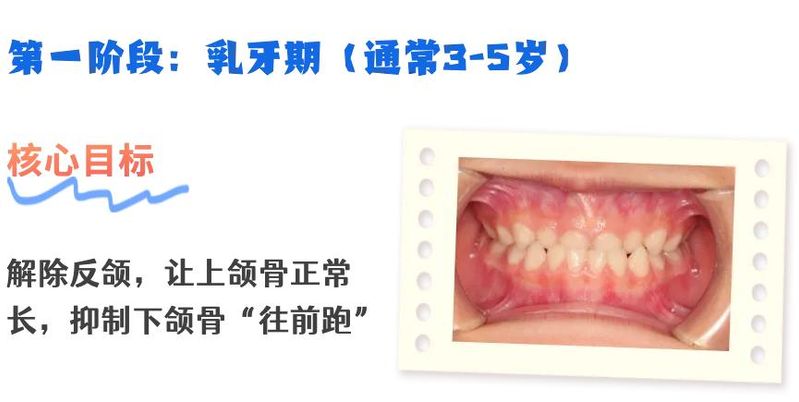
What parents have to do: take care of causes
This is the most fundamental step to correct these habits of the child: lying down in a milk feeding bottle (to sit, with a bottle and mouth 45°) biting the upper lip, sucking the finger, stretching the jaw (which can be assisted by bitter agents, but is more important in day-to-day supervision)。
Method of intervention
When a single nipple turns back, a doctor will teach a pressurized tongue plate to squeez the teeth every day (which must follow the doctor's advice, multiple retropy does not apply) with a tethering reticor (most commonly used): to raise the rear teeth and to “lock” the front teeth and push them forward through the device。
It is a matter of concern that for children up to 5 years of age or older, a full view is required to examine the root of the teeth. If the teeth are already half-absorbed, it is recommended that they be replaced。
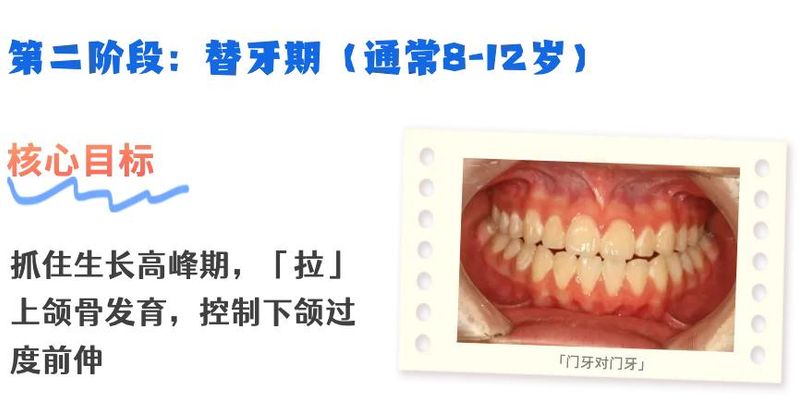
Let's see if we can cure it
Let the kids try to move their jaws back. If it is natural to retreat to a “door teeth-to-door teeth” alignment, there is a potential for growth, and intervention is the best; if it is not, or if there is a big gap between upper and lower teeth, then it is likely that it will take adults to combine the surgery。
Select as required
The front pull mask: simply, it's "a little device in the mouth plus a cute little mask in the mouth" and pulls the upper cheekbone forward slowly with the force of the rubber band to help it catch up with the growth rhythm。
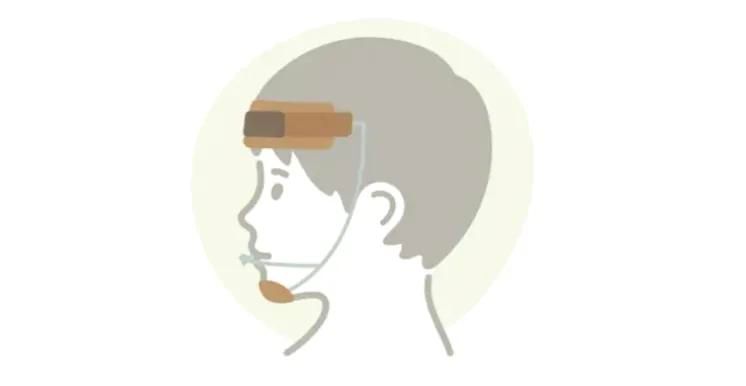
Web pictures
Functional correctives: the growth of the upper cheekbones is indirectly stimulated by adjusting the muscle strength of the mouth to the right position. The advantage is that there is no injury to the teeth and that the child is comfortable wearing it。
Mse bones are held in front of the bow: children with less developed upper cheeks are usually placed in four small planting nails (in the upper tooth chamber) on the side of the hips, with the steady force of planting nails, which expand the bows and pull the cheekbones forward, and improve the bones more significantly than the common mask。
Local fixture: if it's just a bit of a tusket, it doesn't have to be complicated. With a small local fixer (small braces), you can fill your teeth, correct backslids, and be simple and efficient。
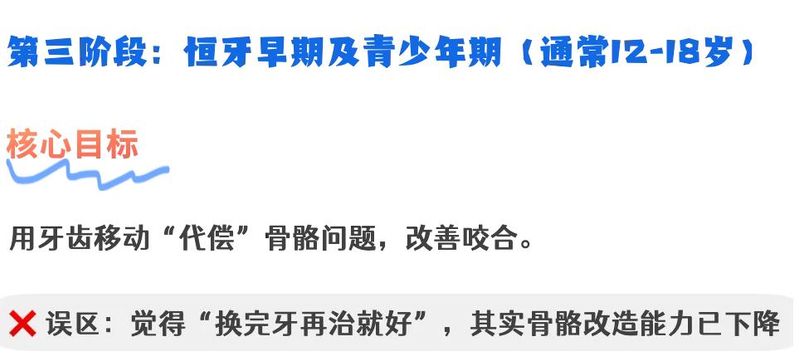
Personalization programme
Full-mouth fixation: it's suitable for a mild and moderate bone, to move the teeth slowly through the braces, to “cover” the small defects of the bones with the position of the teeth and to restore normality to the bites。
Plantation nails are supported by correctives: in the case of severe encapsulation caused by confusion in the teeth, the doctor inserts a few small planting nails into the mouth (like “temporary fixes”), with the force of the planting nails, precise collection of front teeth, moving forward, forward front teeth, and more thorough correction。
Assessing growth potential: the doctor will determine whether the child has any remaining growth space by examining: if there is still a small potential, growth and development adjustment programmes may be combined; if growth has largely ceased, it will be clearly stated whether to continue to be pure and deformed or to consider the operation after reaching adulthood。
The doctor warns that, if it is a serious bone-carving situation, this stage of sane malformation can only allow the teeth to be properly organized, that the face of the denture may not improve much, and that parents may need to be psychologically prepared in advance, and that follow-up may require a combination of surgery to improve the face completely。
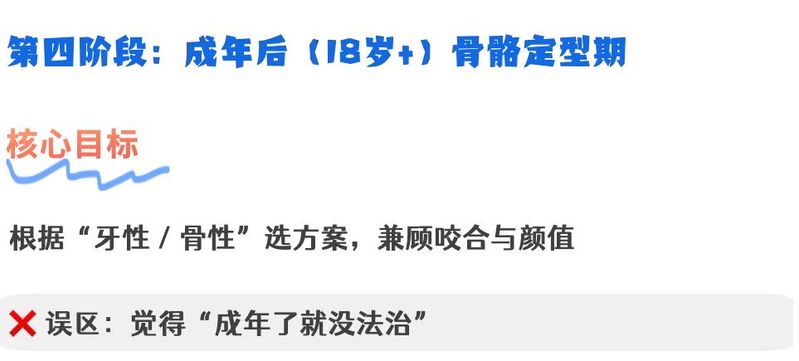
I'll tell you what
Toothy: bones don't have a problem, they're just "wrong lined up." it's just a toothbrush. It's easy. It's good。
Bones are all over the world: the cheekbones themselves are crooked (e. G. The upper cheekbones are too low, the lower cheekbones too low to try to mask treatment, and the severers need surgical treatment。
Select by degree
Pure and deformity: friends who are suitable for a mildly moderately boned nature and who are less demanding on the opposite side: doctors make room by pulling their teeth (usually removing four pre-branding teeth) to keep their prominent lower and lower teeth in front of them, so that the upper and lower teeth are gnawed properly。
Note: this approach mainly improves “the ability to eat well” and the improvement of the opposite side of the face is more limited, which is equivalent to “the best possible match for the teeth based on the existing bones”。
The only way to solve the problem from its root causes is to reposition the cheeks:
Pre-operative aberration (1-1. 5 years): it is normal to wear a tooth set full of teeth to pave the way for the operation, a phase that may temporarily make it more visible and not panic。
Prosthetic surgery: surgeon has operated on the bone, moving the skeletal bone to its normal position and fundamentally changing the face。
Post-operative aberration (about six months): fine-adjusted bites to make the teeth fit perfectly with the new cheekbones。









